What should I realistically expect from medical cannabis for arthritis?
If you are living with arthritis, you are likely familiar with the frustration of chronic pain. You may have tried countless permutations of non-steroidal anti-inflammatory drugs (NSAIDs), physical therapy, and lifestyle adjustments, only to find that your symptoms still dictate your daily quality of life. In the UK, interest in Cannabis-Based Medicinal Products (CBMPs) has surged, but the reality of access and efficacy is often misunderstood due to conflicting information online.
As someone who spent 12 years navigating the administrative side of NHS rheumatology and pain clinics, I have seen many patients pin their hopes on "miracle cures." Let’s look at the actual clinical landscape for medical cannabis in the UK and what you can realistically expect.
The Standard Arthritis Management Pathway
Before considering any specialized treatment, it is essential to understand that the NHS adheres to established clinical guidelines for arthritis management. Rheumatology is a complex field, and treatment is generally stepped based on the type of arthritis (e.g., Osteoarthritis vs. Rheumatoid Arthritis).
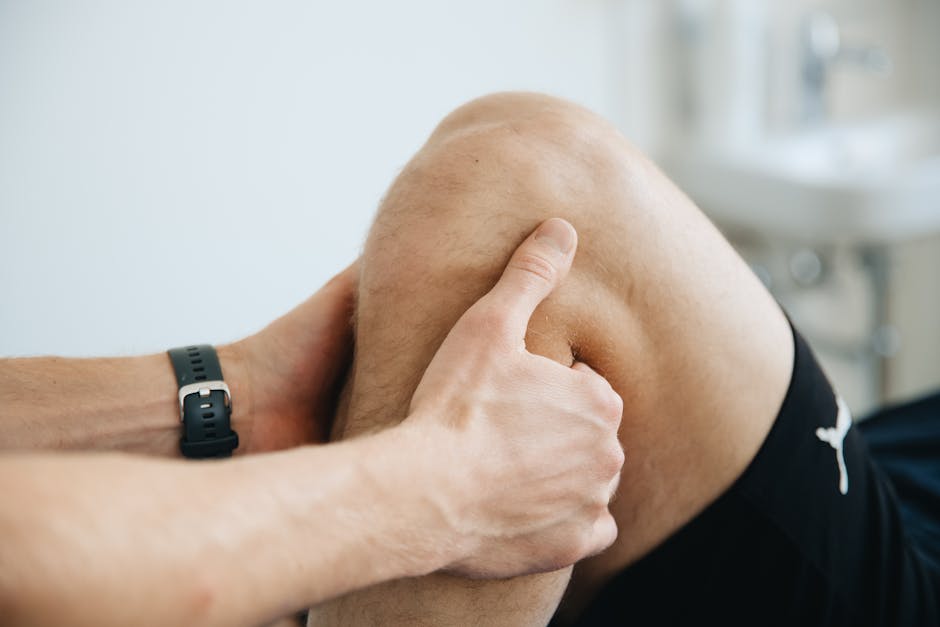
Standard care typically follows this hierarchy:
- Lifestyle Modifications: Weight management, low-impact exercise, and physiotherapy to maintain joint mobility.
- Analgesics: Simple pain relief such as paracetamol.
- NSAIDs: Ibuprofen, naproxen, or topical gels for inflammation.
- Disease-Modifying Antirheumatic Drugs (DMARDs) & Biologics: For inflammatory conditions, these are the gold standard to prevent joint damage.
If you are reading this, it is likely that you have already exhausted these options. If you haven't, a specialist will almost always direct you back to these pillars of care first, as they have the strongest evidence base for long-term joint preservation.
Understanding the Legal Landscape: 2018 and Beyond
It is a common misconception that medical cannabis became "widely available" in 2018. Following a change in legislation, the government allowed for the prescription of CBMPs. However, according to research briefings from the House of Commons Library, this legislation was designed for specific, narrow patient groups, such as those with treatment-resistant epilepsy or multiple sclerosis.
For arthritis, medical cannabis is not a first-line treatment. It is considered an "unlicensed" medicine in this context. This means it has not gone through the standard regulatory process that a drug like ibuprofen has. Consequently, it is viewed as a treatment of last resort after other evidence-based interventions have failed.
Who Can Prescribe Medical Cannabis in the UK?
This is the most critical point for any patient to understand. You cannot get a prescription for medical cannabis from your GP.
Under current UK law, only a specialist doctor—specifically those listed on the General Medical Council’s specialist register—is permitted to prescribe CBMPs. Even then, they must be working within a clinic doctiplus that is registered with the Care Quality Commission (CQC).
Most patients in the UK access these services through private clinics. While the NHS *can* theoretically prescribe CBMPs, it almost never does so for chronic pain or arthritis due to a lack of sufficient clinical evidence regarding its long-term cost-effectiveness and efficacy compared to standard treatments. Therefore, you should be prepared for the fact that this will likely involve significant out-of-pocket costs.
Realistic Expectations: Managing Symptoms vs. Cures
If you hear claims that medical cannabis will "cure" your arthritis, be very wary. Medical cannabis is not a cure for joint degradation or autoimmune inflammation. At best, the evidence suggests that it may assist in symptom management for some patients.

Aspect Standard Treatments Medical Cannabis (CBMPs) Goal Reduce inflammation/prevent damage Modulate pain signaling Availability Readily available on NHS Almost exclusively private Evidence Base Extensive/Long-term clinical trials Emerging/Case-by-case data
Your expectations should be centered on pain modulation. For some, this might mean a slight improvement in sleep quality or a reduction in the "intensity" of pain. However, there is no guarantee of success, and many patients find that the side effects—such as drowsiness, dizziness, or cognitive changes—outweigh the modest benefits.
The "Case-by-Case" Reality
When you consult a specialist at a private pain clinic, the treatment plan is entirely "case-by-case." There is no standardized "arthritis dose." Specialists will look at:
- Your full medical history (what you have tried and why it failed).
- Your current medications (to check for interactions).
- The specific nature of your pain (is it neuropathic, inflammatory, or mechanical?).
They will typically start with a very low dose of a balanced THC/CBD oil or flower to see how you tolerate it. It is a process of titration—a slow, deliberate search for a dose that manages pain without causing impairment.
Monitoring and Follow-up (CBMP)
The "monitoring follow-up" is not a formality; it is a clinical requirement for safety. Because these are unlicensed medicines, the clinic has an obligation to track your progress and monitor for adverse effects. You should expect regular appointments, likely every 4 to 8 weeks in the initial stages, to assess whether the treatment is actually working.
If there is no documented improvement in your pain levels or functionality after an agreed-upon period, a responsible clinic will discontinue the prescription. This is a sign of good practice, not a failure of the patient.
What Happens Next?
If you are seriously considering this path, here is your practical roadmap:
- Review your medical history: Ensure you have a clear summary of every medication and therapy you have tried for your arthritis. You will need these records for a private clinic.
- Consult your GP/Specialist: Even if they cannot prescribe it, you should discuss your intent with your primary clinical team to ensure it does not interfere with your current medication regime.
- Verify the clinic: Only approach clinics registered with the CQC. Avoid any online services promising quick prescriptions without detailed medical reviews.
- Prepare for the financial commitment: Research the costs of consultations and ongoing prescriptions. It is a long-term financial commitment, not a one-off purchase.
- Set clear goals: Define what "success" looks like for you (e.g., "I want to be able to walk to the shops without taking a break"). If those goals aren't met within a few months, be prepared to stop the treatment.
Medical cannabis remains a niche, strictly controlled, and often expensive option for arthritis patients in the UK. Approach it with caution, manage your expectations, and always prioritize care from a registered, specialized medical professional.
