What Self-Help Skills Should My Child Have for School?
If you have a child approaching their first day of primary school, you’ve likely been bombarded with advice. Perhaps friends are telling you they need to be reading, or neighbors are suggesting they should already be adding numbers. As a former early childhood educator with over 11 years of experience in the classroom, I am here to share a secret: school readiness is not about early academics.
When teachers welcome a new cohort of kindergarteners, we aren’t looking for children who have mastered phonics or complex math. We are looking for children who can navigate their environment, manage their belongings, and communicate their needs. These "soft skills"—often called self-help skills—are the building blocks of academic success. When a child isn't worried about how to open their juice box, they are free to focus on the lesson at hand.
In this guide, we will break down the essential independence skills that set your child up for a confident start. We’ll look at these through the lens of what qualified early childhood educators observe in the classroom, and how simple play-based learning activities can foster these abilities at home.
Redefining Readiness: The "Whole-Child" Approach
True readiness is about the "whole child." It encompasses physical, emotional, and social development. While schools have specific orientation visits and information sessions (school transition supports) designed to help ease the change, the heavy lifting of independence happens in your daily home routine.
When children enter a classroom, they are suddenly one of 20 or 30 students. If they cannot manage their coat, their bathroom needs, or their lunch, they may feel overwhelmed. By focusing on these four pillars—dressing, toileting, lunching, and hygiene—you provide your child with a sense of agency that reduces anxiety and builds resilience.
1. Dressing Skills: Building Fine Motor Confidence
Developing dressing skills is about much more than just getting clothes on; it’s a masterclass in fine motor coordination and executive function. Many occupational therapists emphasize that the ability to manipulate clothing is directly linked to the strength and dexterity needed for holding a pencil later in the year.
In the classroom, children will need to put on and take off jumpers, cardigans, and shoes throughout the day. Here is how you can support this:
- Simplify the wardrobe: Choose clothes with elastic waistbands, large buttons, and pull-on styles rather than complex zippers or intricate buckles.
- The shoe struggle: If your child cannot yet tie laces, opt for Velcro or slip-on styles. This simple change eliminates a major stressor during transition times.
- Dress-up play: Encourage your child to practice dressing using costumes or oversized "grown-up" clothes. This takes the pressure off the "must-leave-the-house-now" timeline.
The Role of Play-Based Learning
You don't need a formal curriculum to build these physical skills. Utilize play-based learning activities that strengthen the hands:
- Playdough: Squeezing, rolling, and pinching dough strengthens the intrinsic muscles of the hand, which are vital for manipulating buttons.
- Child safe scissors: Learning to hold and maneuver scissors improves hand-eye coordination.
- Puzzles: These help with spatial awareness and visual-motor integration.
2. Toileting Independence: A Pillar of Confidence
Toileting independence is perhaps the most significant milestone for a new school starter. While teachers are trained to support children, the school day moves quickly, and bathroom breaks are often self-managed.
For a child to be successful, they should be able to:
- Recognize the physical urge to go.
- Manage their own clothing (pulling up and down without assistance).
- Perform basic hygiene, including wiping and washing hands thoroughly.
If you are concerned about your child’s development in this area, do not hesitate to reach out to a prepare for school speech pathologist or your pediatrician if there are underlying sensory or communication hurdles that make this transition difficult. Often, the barrier is simply the anxiety of the new environment, and establishing a consistent routine at home is the best remedy.
3. Mastering Lunchbox Independence
Lunchtime is the most social part of the day for a five-year-old, but it can also be a source of frustration. Lunchbox independence means your child can sit down, eat their meal, and pack their bag away without needing a teacher to pop open five different plastic containers.
Practical Tips for Success:
- The "Open Test": Before the first day, have your child eat their packed lunch at home using their school lunchbox. Watch to see if they can open the yogurt, peel the orange, or unscrew the water bottle.
- Container choice: Choose containers with large clips or easy-twist lids. Avoid anything that requires significant force or complex latching mechanisms.
- Practice "Peelable" Foods: If you send fruit, ensure it is already peeled or chopped, or that your child has practiced doing it themselves repeatedly.
Remember, eating is a multisensory experience. If a child spends their entire lunch period struggling to open a snack pack, they won't get the nourishment they need to stay focused for the afternoon session.
4. Hygiene Routines and Personal Care
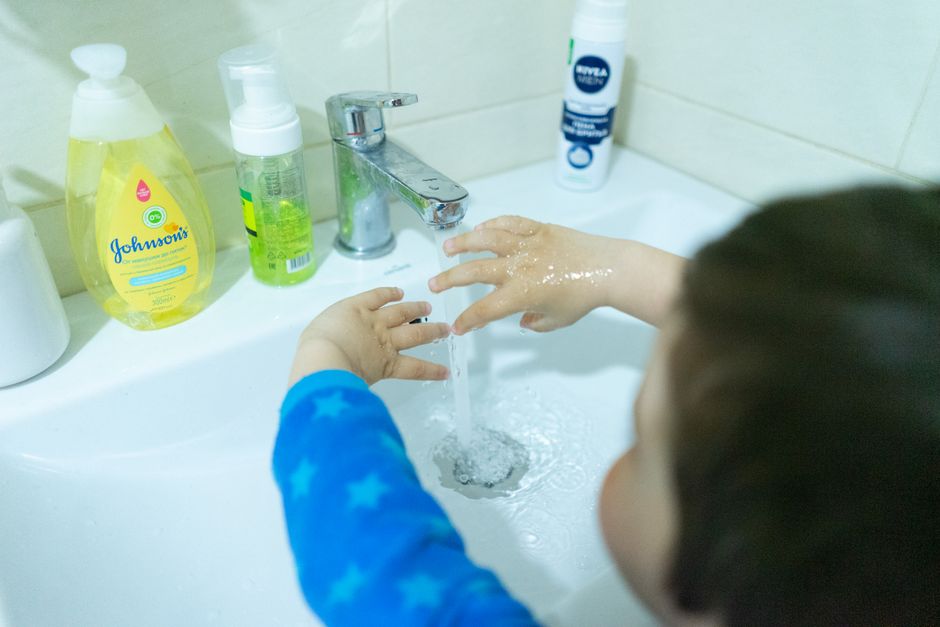
Classrooms are high-traffic areas for germs, and learning to manage personal hygiene is a critical self-help skill. This includes:
- Hand washing: Ensuring they know how to use soap, scrub for 20 seconds, and dry their hands.
- Tissue use: Teaching them to sneeze into their elbow and how to properly blow their nose.
- Belongings: Teaching your child to recognize their own name on their bag, hat, and jacket. Using bold, clear labels is a great strategy here.
Skill-Building Checklist for Parents
To help you track your child’s progress, here is a simple table highlighting key focus areas based on common expectations during orientation visits and information sessions (school transition supports).
Skill Category What to Practice Why It Matters Dressing Buttoning, zipping, pulling up pants. Independence in changing for PE/Art. Lunchbox Opening lids, containers, and packets. Adequate nutrition and social ease. Toileting Wiping, flushing, handwashing. Hygienic classroom management. Belongings Packing bag, putting on shoes/jacket. Organizational skills and self-reliance.
The Role of Professionals in the Transition
It is important to remember that you are not on this journey alone. Qualified early childhood educators are your greatest allies. During orientation visits and information sessions (school transition supports), ask questions specifically about how the classroom manages bathroom breaks or how they assist with lunch.

If your child is neurodivergent or has specific developmental needs, early consultation with occupational therapists or speech pathologists can provide tailored strategies that make the transition to primary school much smoother. These professionals can often suggest specific tools—such as weighted pencils, specific sensory-friendly clothing, or visual schedules—that make the school environment more accessible for your specific child.
Final Thoughts: Patience is Key
As you prepare for this transition, try to shift your focus away from "Can they write their name?" and toward "Can they open their lunch and put on their own coat?" Academic skills will come with time and exposure. Independence, however, is a muscle that needs to be flexed daily.
Use play-based learning activities like building with blocks to talk about school as a overcoming separation tears at school place of exploration. Create art together using art materials to get them comfortable with messy hands. Keep the conversation light and positive during your orientation visits. Most importantly, model the skills you want them to learn. When they see you independently managing your own tasks with patience and humor, they will be much more likely to adopt those same habits for themselves.
Your child is ready, and so are you. By focusing on these essential self-help skills, you are giving your child the ultimate foundation for a successful and happy start to their primary school journey.
