What Does Social Modeling Mean in Recovery?
When people talk about recovery, especially from addiction, they often highlight the importance of community and relationships. But what does that actually look like on a Tuesday night when cravings hit? One key concept that helps explain this is social modeling — watching and learning from others who are on the path to sobriety. This blog post will break down what social modeling means in recovery, why relationships are central to it, and how both twelve-step and non-twelve-step programs incorporate this powerful tool. We’ll also explore how peer support works within clear boundaries, provide real examples of hope through social modeling, and discuss how accountability can be practiced without shaming.
Understanding Social Modeling in Recovery
Social modeling recovery is the process by which individuals learn new behaviors, attitudes, and coping strategies by observing and interacting with others who are successfully managing their recovery journey. Rather than relying solely on personal willpower or medical treatment, social modeling taps into the power of human relationships and shared experience.
What Does Social Modeling Look Like on a Tuesday Night?
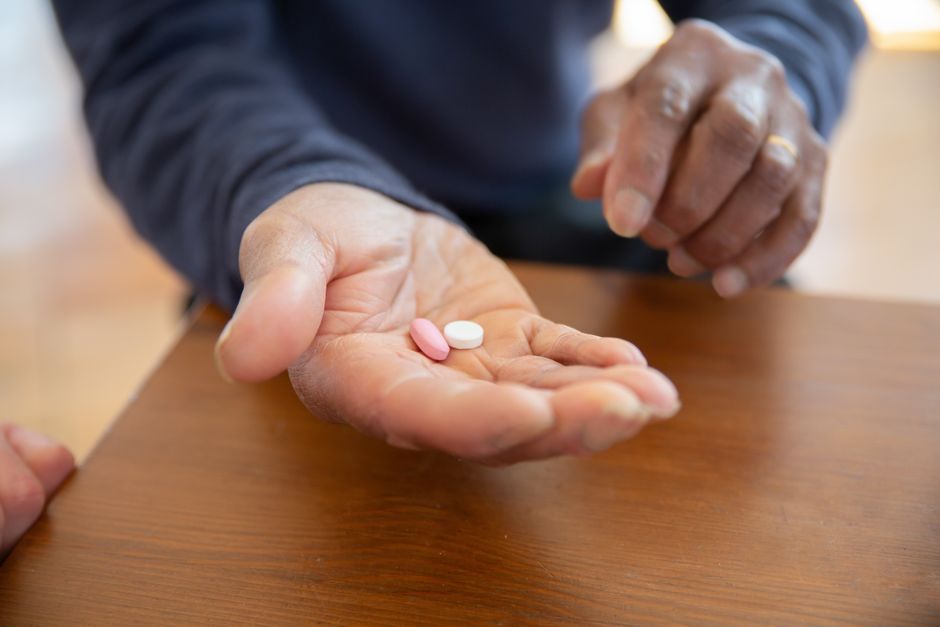
Imagine a person who just got discharged from a treatment program and is facing their first tough evening at home, craving their substance of choice. Instead of being alone with their cravings, they attend a local recovery meeting or connect with a peer supporter who has been through similar struggles. Seeing someone else who has faced the same challenge and is maintaining sobriety — especially if they openly share how they handle cravings or setbacks — provides a concrete example that it’s possible to make it through the night without giving in.
The Role of Relationships as a Recovery Driver
Recovery is not just a personal journey; it is profoundly social. Relationships often serve as the engine that drives sustained change for individuals in recovery.
- Emotional support: Knowing someone understands your struggles and won’t judge you.
- Practical advice: Learning coping mechanisms from those who have been there.
- Inspiration: Seeing others succeed provides hope and motivation.
- Accountability: Being answerable to someone encourages maintaining healthy behaviors.
Why Relationships Matter More Than Motivational Slogans
I often hear the phrase “community fixes everything” thrown around in recovery spaces. But that’s too vague and frustratingly unhelpful. What actually helps people are dependable relationships where trust, understanding, and shared experience build a structure to lean on — especially during moments of high risk like cravings or emotional distress.
Peer Support: Definition and Boundaries
Peer support is a specific kind of relationship rooted in shared lived experience. Certified peer specialists or peer supporters are people who have experienced addiction and recovery themselves and who use that experience to guide and support others currently navigating recovery.
However, it’s important to understand that peer support is not a substitute for professional medical treatment or therapy. It’s a complementary tool that focuses on emotional support, encouragement, and modeling positive recovery behaviors.
Boundaries in Peer Support
- Peer supporters do not provide medical advice or prescribe medications.
- They maintain confidentiality but also recognize situations that require clinical intervention.
- Peer relationships are non-judgmental and strengths-based, avoiding shaming language.
- Supporters encourage accountability but within a framework of empathy and hope, not punishment.
Social Modeling and Hope Through Real Examples
Social modeling works best when it is concrete and relatable. Here are some real-world scenarios that show how social modeling and peer support can create hope and drive recovery.
- Case 1: Navigating Social Triggers
Maria struggled with alcohol cravings every Friday and Saturday night when she used to go out with friends. At a non-12-step recovery group, she met James, who shared how he replaced weekend partying with volunteering and outdoor activities. Maria tried these new routines, finding that she could enjoy herself and avoid triggers. Seeing James’s example, she felt hopeful that she could rewire her social habits.
- Case 2: Handling Setbacks Without Shame
At a 12-step meeting, Carlos admitted he relapsed after six months of sobriety. Instead of being shamed, the group shared their own relapse stories and how they got back on track. This social modeling of resilience encouraged Carlos to keep trying. The group’s approach reinforced accountability through acceptance, not guilt, which strengthened his commitment.
- Case 3: Role Models in Medication-Assisted Recovery (Non-12-Step)
John was hesitant about using medication-assisted treatment (MAT) because his family viewed it negatively. In a SMART Recovery meeting focused on science-based practices, he met Tanya, who used MAT and spoke openly about how it helped her maintain stability. Seeing Tanya’s success challenged John’s biases and gave him a role model who normalized his approach.
Accountability Without Shame
Accountability in recovery means having a support system that helps individuals keep their commitments to sobriety. However, accountability should never be https://smoothdecorator.com/what-does-a-warm-handoff-to-peer-support-look-like-after-discharge/ confused with shaming or punishment, which can harm self-esteem and increase relapse risk.
Social modeling supports accountability by showing real examples of both successes and setbacks, fostering an environment where individuals can honestly discuss challenges without fear of judgment. In this way, people learn to hold themselves and each other responsible — not through fear, but through connection, respect, and encouragement.
Key Principles for Accountability in Social Modeling
- Transparency: Role models share their challenges honestly.
- Consistency: Regular meetings and check-ins build routine and reliability.
- Empathy: Supporters listen and respond with understanding, not criticism.
- Empowerment: Encourage taking ownership rather than fostering dependency.
How Twelve-Step and Non-Twelve-Step Programs Use Social Modeling
Both twelve-step programs (like Alcoholics Anonymous) and non-twelve-step approaches (like SMART Recovery or Refuge Recovery) incorporate social modeling, but they do so in different ways reflecting their philosophies.
Aspect Twelve-Step Programs Non-Twelve-Step Programs Core Concept Spiritual awakening through peer sharing and fellowship. Self-empowerment through cognitive-behavioral techniques and peer encouragement. Social Modeling Sharing personal stories during meetings, sponsorship relationships as role modeling. Structured group discussions showing practical coping methods and goal-setting.Peer facilitators model evidence-based strategies. Peer Support Boundaries Support through sponsor-sponsee relationships with emphasis on shared experience and spiritual guidance. Facilitators trained in specific techniques; focus on skill-building and science-based methods. View on Accountability Encourages personal responsibility as part of spiritual growth with community support. Frames accountability as a behavioral tool without moral judgment.
Conclusion
Social modeling in recovery is more than just seeing others succeed in sobriety — it’s about embedding oneself in supportive relationships that demonstrate realistic pathways through the ups and downs of recovery. Whether through twelve-step programs or non-twelve-step groups, social modeling provides concrete examples of hope, builds accountability without shame, and emphasizes human connection as a core driver of sustained change.

Next time you or someone you’re supporting faces a tough evening — that Tuesday night when cravings hit — remember that social modeling isn’t theory. It’s the peer who checks in, the role methadone and recovery community model who shares their story, and the community that provides a lifeline when personal post discharge recovery plan willpower alone falls short.
