What Does 'Remote-First' Mean in Specialist Healthcare?
For over a decade, the conversation around digital health has been dominated by primary care. We have seen the rapid rise of GP-at-hand services, triaging apps, and symptom checkers. However, the most significant shift currently rippling through the UK healthcare sector is the transition of specialist care into a "remote-first" model. This is not merely the adoption of digital tools to augment existing processes; it is a fundamental redesign of how secondary and tertiary care pathways are structured, delivered, and managed.
In this article, we will explore what 'remote-first' truly means for specialist healthcare, how it bridges the gap between clinicians and complex patients, and why it is rapidly becoming the gold standard for modern, scalable healthcare delivery.
Defining 'Remote-First' Specialist Care
To understand 'remote-first', we must first distinguish it from 'remote-enabled'. A remote-enabled practice is one that has added a telemedicine platform as an optional accessory to a traditional, face-to-face clinic. If a patient can’t make it in, they use the platform. Exactly..
A remote-first model, however, assumes that the starting point for every patient interaction is digital. Specialist care is designed from the ground up to be delivered outside the four walls of a hospital or consulting room, wherever clinically appropriate. This model leverages structured clinical data, asynchronous workflows, and remote video consultations to triage, treat, and monitor patients more efficiently. It acknowledges that for many sub-specialties—such as dermatology, cardiology, or mental health—the physical environment of a clinic is often less important than the clinical oversight provided by the specialist.
The Foundational Pillar: Digital Eligibility and Onboarding
The success of remote-first specialist care hinges on the quality of its online intake. In traditional settings, the intake process is often fragmented: referrals are faxed or emailed, patient history is taken verbally in a waiting room, and clinical information is manually re-keyed into systems by administrative staff. This is a primary source of clinical risk and operational inefficiency.
Remote-first platforms replace this with structured, digital-first onboarding. This process is designed to capture high-fidelity clinical data before a clinician ever sees the patient:
- Structured Triage: Dynamic questionnaires that adapt based on patient responses, ensuring that the specialist receives a high-quality clinical summary rather than a blank referral letter.
- Automated Eligibility Checks: Using pre-defined clinical pathways to determine whether a patient is a candidate for remote care or requires immediate in-person escalation.
- Consent and Compliance: Managing informed consent electronically, ensuring all regulatory requirements are met long before the appointment begins.
By streamlining the online intake, specialists gain a clearer picture of the patient’s condition, allowing them to focus the subsequent video consults on nuanced clinical decision-making rather than basic information gathering.
Secure Medical Record Handling and Clinical Governance
Critics of remote-first healthcare often raise concerns about data fragmentation. How do we ensure that a digital-only interaction is as well-documented as an in-person one? The answer lies in the integration of specialized telemedicine platforms with existing Electronic Patient Record (EPR) systems.
In a mature remote-first model, the digital record is the "source of truth." Every interaction—be it an intake form submission, a clinical note from a video consultation, or an update from a patient-facing portal—is captured in a unified, secure database. This provides:
- Clinical Continuity: Specialists can view the entire patient journey, from the initial referral through to ongoing management.
- Auditability: Because interactions are digital, there is a clear, timestamped record of every clinical decision, which is essential for robust clinical governance.
- Security: By using end-to-end encrypted remote video consultation tools and secure data enclaves, healthcare providers can meet (and often exceed) the stringent data protection requirements like GDPR and the UK’s Data Protection Act.
The Clinical Experience: Video Consults and Oversight
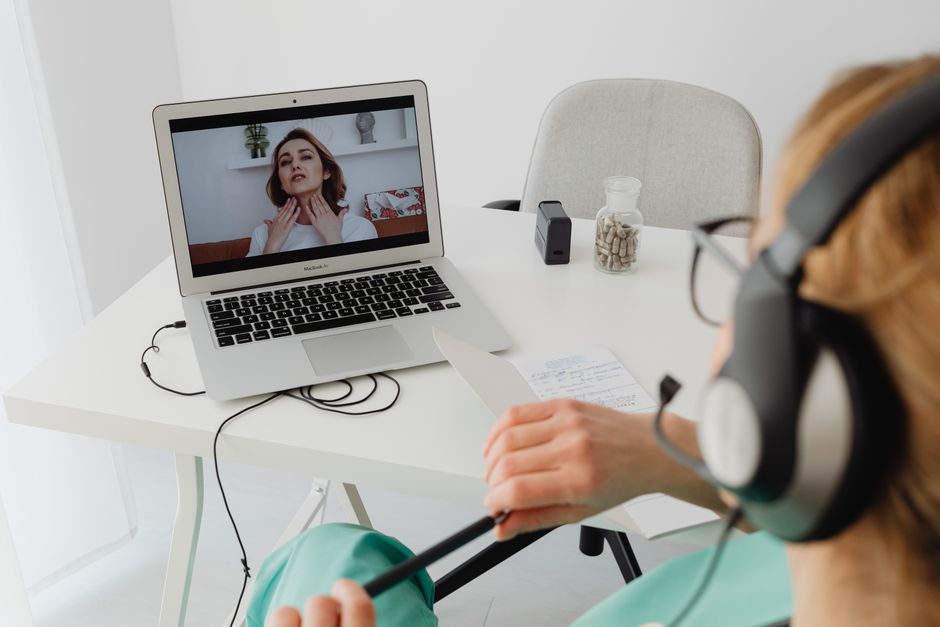
The core of the specialist experience is, of course, the clinical oversight. It is a misconception that remote-first implies a "depersonalised" interaction. On the contrary, when video consults are used correctly, they often allow for a more focused, uninterrupted consultation between the specialist and the patient.
The Role of Video Consults
Modern remote video consultation https://boomset.com/healthtech-innovation-how-the-uk-is-modernising-products-access/ tools are no longer basic "calls." They are feature-rich environments that enable screen sharing for diagnostics, integrated chat for patient resources, and the ability to invite family members or carers to join the call from different locations. This capability is particularly transformative for elderly patients or those with complex chronic conditions who may require a support network during their consultation.
Clinician Oversight
In this model, clinicians are freed from the administrative bottleneck. By utilizing digital dashboards, specialists can oversee a larger caseload of stable, remote patients, while reserving their physical clinic time for those who truly need hands-on diagnostics or procedures. This creates a balanced, sustainable workload that reduces clinician burnout while increasing patient access.
Closing the Loop: Digital Prescriptions and Portal Follow-ups
A specialist's work is rarely finished when the video call ends. The true power of a remote-first platform lies in its ability to automate the administrative "tail" of the consultation.
- Digital Prescriptions: Rather than issuing paper scripts, specialists can send prescriptions directly to a patient’s pharmacy of choice, integrating with Electronic Prescription Service (EPS) systems. This reduces errors and improves patient medication adherence.
- Portal Follow-ups: Instead of relying on manual phone calls or letters, patients interact with a secure portal to receive follow-up instructions, view test results, or request repeat appointments. This ensures the patient remains an active participant in their own care pathway.
Comparison: Traditional Specialist Care vs. Remote-First
Feature Traditional Specialist Care Remote-First Specialist Care Referral Intake Manual, paper/email, high error rate Digital, structured, integrated Clinical Data Fragmented, stored in siloes Centralised, longitudinal record Consultation Physical attendance required Video-first; physical only for diagnostics Prescribing Paper scripts, manual pharmacy logistics Direct digital integration (EPS) Patient Engagement Reactive, relies on phone calls Proactive, self-service portals
Overcoming the Barriers to Adoption
Despite the obvious benefits, shifting to a remote-first specialist model is not without its hurdles. To succeed, healthcare organisations must address three specific challenges:
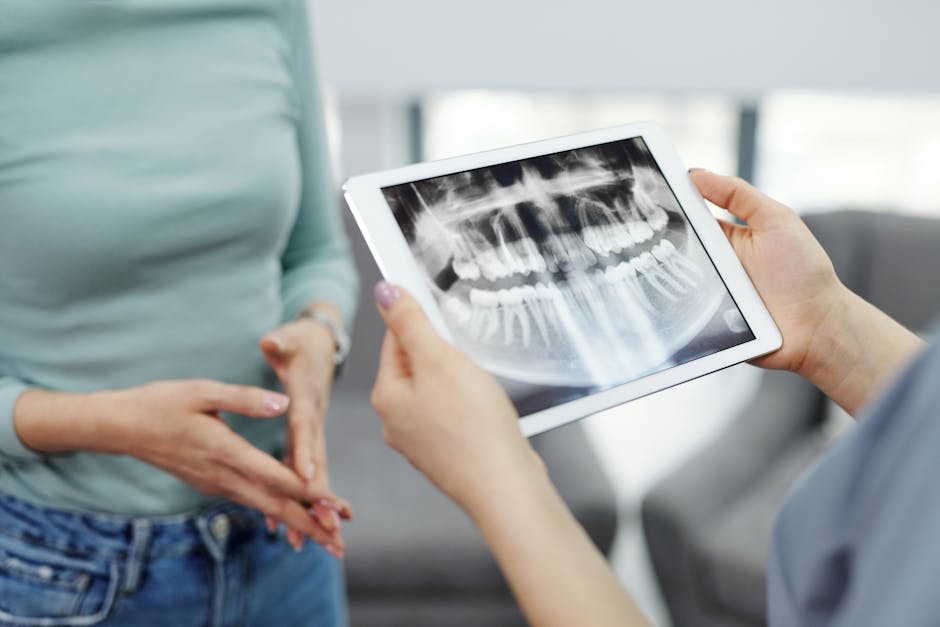
- Digital Equity: Not every patient is tech-literate or has access to high-speed internet. Remote-first should mean "digital by default, not digital only." Exceptional systems must offer support for those who cannot navigate the digital platform.
- Integration Fatigue: Specialists are often burdened by too many logins. Telemedicine platforms must be designed to plug seamlessly into existing clinical workflows rather than creating another "walled garden."
- Clinical Culture: Many consultants have been trained in an environment where the physical examination is the bedrock of diagnosis. Helping clinicians trust the clinical fidelity of high-definition video consults and asynchronous data is a change-management challenge, not a technological one.
Conclusion: The Future of Specialist Care
The "remote-first" label in specialist healthcare should not be seen as a retreat from clinical excellence, but rather a broadening of its scope. By moving administrative and low-complexity tasks into the digital sphere through robust online intake, secure video consults, and efficient portal follow-ups, we can restore the clinician to their most valuable role: providing high-level judgment and care where it is needed most.
For the UK healthtech sector, the task ahead is to ensure these systems are not just efficient, but equitable and secure. As specialist care transitions toward this model, the outcome will be a more resilient healthcare system—one that is built to handle the complexities of the 21st century by meeting patients exactly where they are: at home, digitally connected, and supported.
