What Changes Help Seniors Feel Confident Moving Around at Home?
For seniors, feeling confident and safe while moving around the home is essential for maintaining independence and quality of life. However, typical homes—especially in humid climates like Singapore—can present hidden challenges including mould growth, slippery floors, poor lighting, and cluttered layouts that increase fall risk. As someone who has coordinated renovation projects focused on humid-climate apartments and homes for over a decade, often with senior-friendly adjustments, I know firsthand how thoughtful design changes can make a profound difference.
Understanding the Unique Needs of Seniors at Home
Seniors often experience decreased balance, slower reflexes, and limited mobility. These changes mean that everyday spaces—kitchens, bathrooms, corridors—must be carefully planned to support safe movement patterns. Additionally, homes in humid climates introduce another layer of complexity with moisture build-up and mould risk posing health concerns.. Exactly.
Challenge Impact on Seniors Design Considerations Slippery Floors Increased fall risk Non-slip surfaces, bath mats, handrails near wet zones Inadequate Lighting Difficulty seeing obstacles and stairs Bright, even lighting, motion sensors, night lights Poor Air Quality & High Humidity Worsened respiratory health, mould growth Effective ventilation, moisture control, material choices Cluttered Layouts Obstacles in walking paths Clear pathways, logical room adjacencies, step count analysis
Key Changes to Enhance Confidence and Safety
1. Safe Movement Patterns and Logical Layouts
Even before adding handrails or improving lighting, check how a senior moves through the home. Ideal floor plans minimize unnecessary steps and avoid obstacles in critical paths such as between kitchen, laundry, and bedrooms. When I assess layouts, I literally count daily steps and look for friction points where seniors might struggle or fatigue.
- Straightened paths: Clear, wide corridors free of furniture or rugs that could trip.
- Proximity: Clustering the kitchen, laundry, and bathroom reduces the distance seniors need to travel with potentially wet or heavy items.
- Stable transitions: Levels between rooms should be flush—no steps or uneven thresholds unless ramps are installed.
2. Handrails and Strategic Lighting Installation
Handrails are critical in areas prone to slips and falls. Common locations include stairways, bathrooms, and hallways.
- Bathroom: Around showers, toilets, and near bathtubs.
- Stairs and entryways: Both sides if possible, ensuring continuous grip height and non-slip wall brackets.
- Hallways: Especially near bedsides or long corridors.
Lighting should be layered and glare-free:
- Bright, diffuse ceiling lights complemented by motion-activated night lights.
- Illuminated handrails or pathway lights for nighttime navigation.
- Task lighting in work areas like kitchen counters and laundry tubs.
3. Indoor Air Quality and Moisture Control in Humid Climates
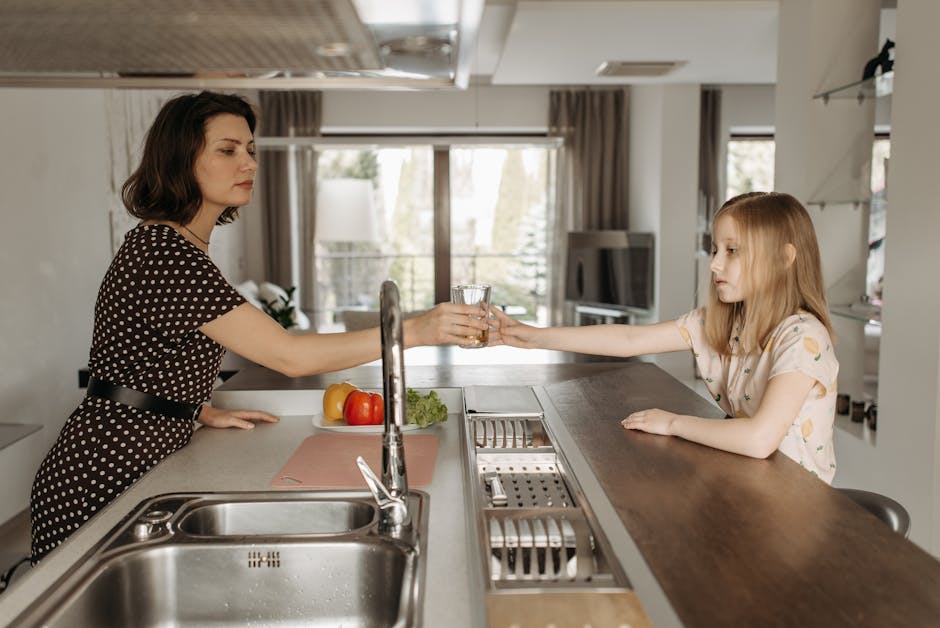
Humidity invites mould growth—a major concern for design and build singapore pricing seniors vulnerable to respiratory issues. The way a home manages moisture is critical in subtropical or tropical areas like Singapore. One question I always ask when inspecting kitchens and bathrooms is: “Where does the steam go?”. But kitchen humidity control tips here's the catch:
Effective solutions include:
- Design-First Mould Prevention: Establish continuous airflow routes in wet areas to exhaust humid air efficiently.
- Detailing: Avoid hidden voids like under-sink cavities or false ceilings near windows, which are mould magnets.
- Bathroom-Kitchen-Laundry as Humidity Systems: Treat these zones holistically, ensuring they don't compete for ventilation or contribute excess moisture.
- Dehumidifiers and Exhaust Fans: Sized appropriately for each room’s volume, ducted to expel air outside, not recirculate.
- Material Choices: Use moisture-resistant paints and wall panels; tiles for floors with non-slip finishes.
4. Material Selections for Cleanability and Durability
Surfaces should be easy to clean without harsh chemicals and resilient to wear. This prevents dirt accumulation, reduces mould risk, and supports maintenance for those with limited mobility.
- Flooring: Non-slip ceramics or vinyl that remain safe when wet.
- Counters and Cabinets: Laminates or sealed surfaces resistant to staining and mould infiltration.
- Wall Finishes: Smooth, washable paint or wall tiles in moisture-prone areas.
- Hardware: Rounded edges, lever handles easier to grip.
Holistic Approach to Fall Risk Reduction
Few aging-in-place renovations succeed without addressing fall risk comprehensively. Beyond rails and lighting, consider:
- Reducing thresholds and step heights to avoid stumbles.
- Wheelchair or walker access as needed, including turning radii in rooms.
- Eliminating trip hazards: Loose rugs, cords, clutter.
- Emergency response features: Easy-to-reach call buttons or motion sensors linked to caregivers.
Conclusion
Designing a senior-friendly home in humid climates goes hand in hand with maintenance-conscious solutions focused on safe movement. Key changes—from thoughtful layout and airflow to handrails, lighting, and moisture-resistant materials—can empower seniors to move confidently, reduce their fall risk, and enjoy bathroom waterproofing price singapore better health.
If you found this guide helpful, share it with your loved ones via email or connect on our Facebook page for more wellness-home tips.
