The Environmental Impact of Chip Seal and Seal Coating
Paving choices matter more than they used to. When a municipality decides between a full asphalt overlay and a chip seal surface, or when a homeowner asks a paving contractor about seal coat for a driveway, the decision carries environmental consequences as well as cost and performance trade-offs. I’ve overseen municipal resurfacing projects and repaired dozens of private driveways, so I approach this topic from both the field and the project-management table. Here I map the main environmental effects of chip seal and seal coating, weigh them against alternative paving strategies, and offer practical guidance for contractors, owners, and specification writers seeking to reduce impacts without sacrificing durability.
Why the discussion matters Choices made at specification time ripple across fuel use, emissions, resource extraction, stormwater quality, and lifecycle carbon. Chip seal and seal coat are promoted because they extend pavement life at lower initial cost compared with mill-and-fill or new asphalt, but those savings do not automatically translate to lower environmental impact. The devil is in the details: materials sourcing, application temperatures, aggregate selection, traffic patterns, and maintenance cadence all influence the total footprint.
What chip seal and seal coat are, in practice Chip seal applies a sprayed binder, typically asphalt emulsion or cutback in older practice, then a layer of aggregate chips is embedded and rolled. It’s used on rural roads, parking lots, and residential streets where surface preservation is the goal. Seal coat, often called fog seal or tack coat depending on context, is a thin application of asphalt emulsion sprayed over an existing surface to replenish oils and reduce raveling. Both treatments are thinner and use less raw asphalt per square yard than a conventional 2 inch overlay, which is why agencies favor them for early-life preservation.
Key environmental concerns
- greenhouse gas emissions from binder manufacture and transport, plus emissions from construction equipment and hauling.
- particulate and volatile organic compound emissions at the point of application, which affect local air quality and worker health.
- microplastic and aggregate loss from macadam wear, which can wash into storm drains and waterways.
- lifecycle consumption of virgin petroleum-based materials and opportunities for reclaimed or warm-mix alternatives.
- surface permeability and heat island effects that influence runoff temperature and urban microclimate.
I use the list above sparingly because practitioners need a quick map of the frequent hotspots. Each bullet masks substantial variation. For example, the GHG impact of a chip seal job depends heavily on whether the contractor uses warm-mix emulsions, local aggregate, and efficient laydown crews who minimize rework.
Comparing life-cycle footprints: chip seal versus overlay A frequent question from clients is whether saving money today means paying in environmental cost later. From a life-cycle perspective, chip seal can be favorable when it extends pavement life by five to seven years with minimal added material. A typical 1.5 inch asphalt overlay requires about 120 to 140 pounds of asphalt binder per square yard, while a chip seal application uses a fraction of that in emulsion form plus a layer of stone. The production energy for virgin asphalt is significant, so avoiding a full overlay can reduce embodied energy.
However, there are caveats. If chip seal is applied to a structurally failing pavement, the treatment will fail prematurely, requiring a full rebuild sooner. Repeated short-life treatments accumulate emissions. In practice, proper preservation timing is essential: applying chip seal while the underlying pavement still has structural integrity delivers environmental benefit. I once reviewed a county program that applied chip seal to roads past the point of preservation. They saved on budget line items for two years, then had to reconstruct half their network in year four. The net carbon and material use were far higher than if a timely overlay had been placed earlier.
Air quality and worker exposure Application of emulsions releases volatile organic compounds in varying amounts depending on the formula. Traditional cutback asphalt, still present in legacy stocks, produces higher VOCs than modern rapid-set emulsions. At the worksite, spray rigs and rollers create fugitive dust from aggregate fines. For nearby residents and workers, these emissions matter. Simple mitigation measures limit exposure: maintain a buffer of time for traffic to sweep loose aggregate, use tack containment to reduce overspray, and ensure applicators wear respirators when specified by the product safety data sheet.
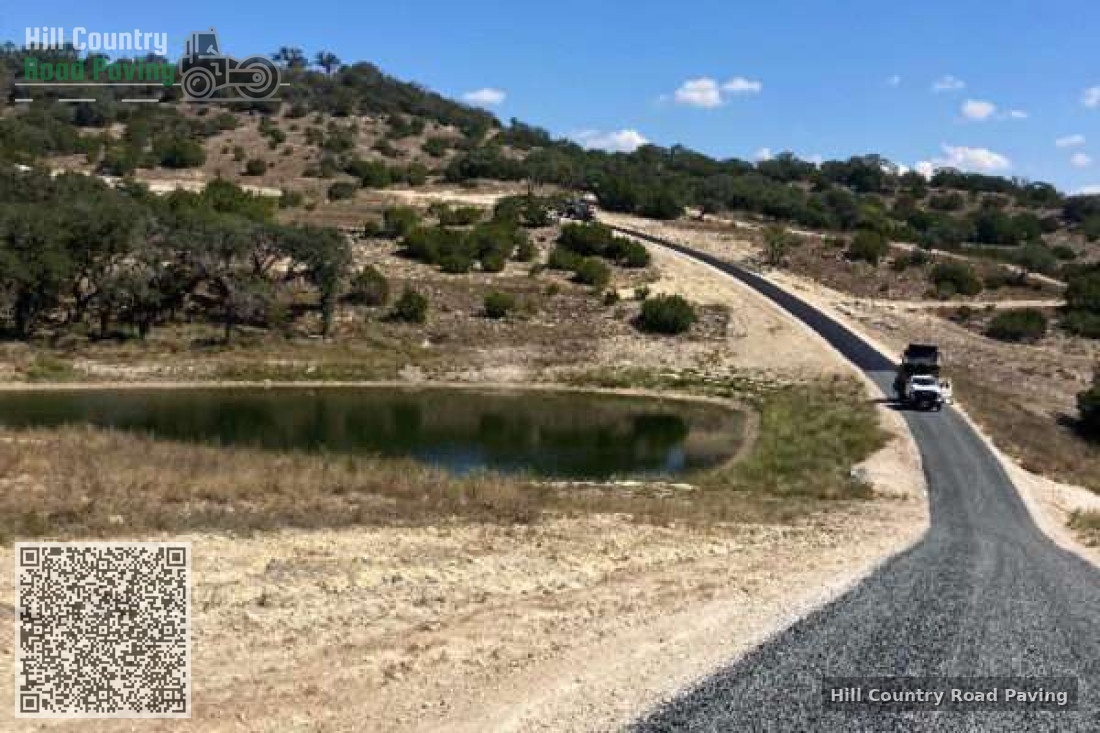
I’ve been on jobs where a contractor used an emulsion rated for lower VOCs and provided immediate street sweeping and water misting during sweeping. Complaints dropped, and the crew logged fewer sick days after they adopted basic PPE and a short cooling period before further traffic flowed over the surface.
Stormwater and particulate transport Loose chip and degraded seal coat particles eventually migrate. In rural areas with good vegetated buffers, much of the particulate settles out before reaching streams. In urban settings with storm drains, fines and small chips get transported into the storm network. Stone fragments are mineral and not chemically toxic, but they contribute to turbidity and physical abrasion in aquatic habitats. More problematic are fines coated with hydrocarbons; these transport polycyclic aromatic hydrocarbons to receiving waters, with documented toxicity to some aquatic organisms at higher concentrations.
Best practice is to prevent mobilization. Use tighter gradation aggregate for chip seal in urban environments, follow with immediate compaction and sweeping, and schedule work so that precipitation is not imminent. Curing windows vary by emulsion chemistry and temperature. Applying a fog seal too soon after chip seal can trap fines; applying it too late lets rain wash them away.
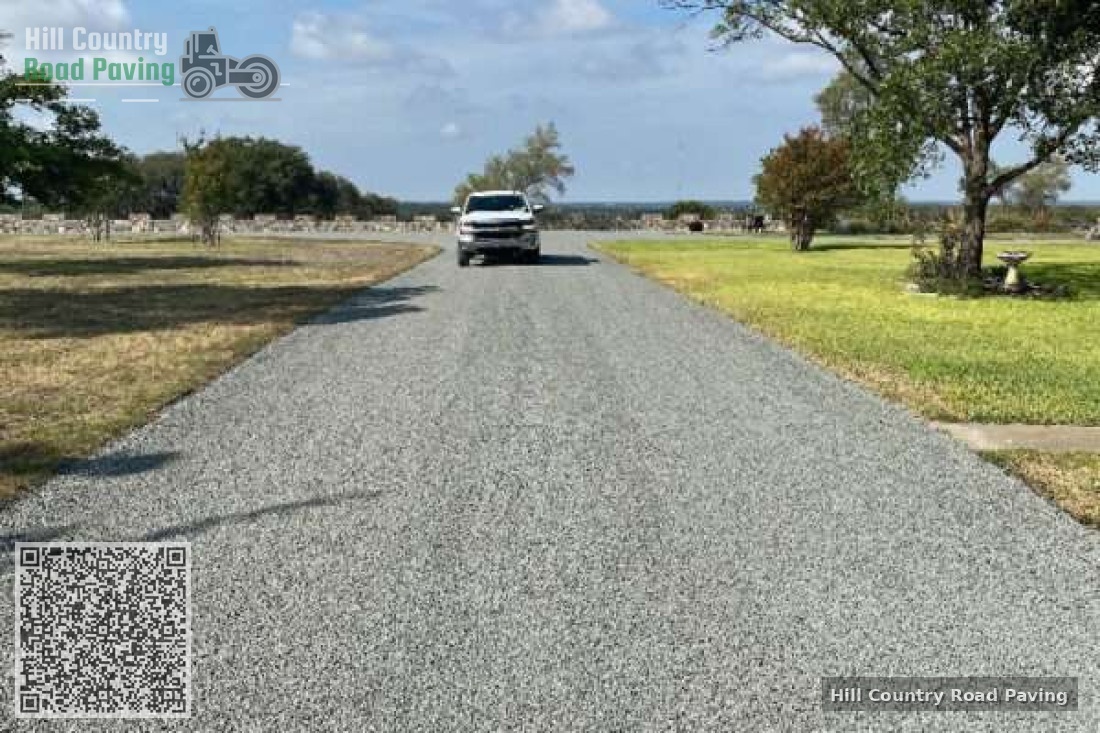
Material sourcing and resource efficiency Aggregate represents the bulk of mass in a chip-sealed surface. Using a local quarry reduces truck miles and therefore transport emissions. Reclaimed asphalt pavement, RAP, currently plays a limited role in chip seal aggregate but can be introduced in the binder fraction if processed properly. Some contractors use recycled crushed concrete for base layers below the chip-seal surface, which reduces virgin aggregate demand.
Binder choices have evolved. Polymer-modified emulsions and warm-mix technologies lower application temperatures and can lengthen life. Lower temperature application reduces fuel use and reduces fumes; I’ve tracked fuel use reductions of roughly 20 to 30 percent when crews switch from hot-applied cutback to warm-mix emulsions on similar coverage rates, though exact numbers depend on fleet and job logistics.
Heat island and surface albedo Dark asphalt surfaces absorb heat and increase local temperatures. A chip seal surface with lighter-colored aggregate will reflect more sunlight than a conventional asphalt overlay, at least initially. That said, the binder surfaces—even emulsified ones—tend to darken, and dust can reduce albedo quickly. For parking lots and large paved areas where heat islands are a concern, select lighter aggregate and consider integrating permeable paving elements or shading strategies.
Biodiversity and habitat considerations On rural roads that bisect sensitive habitat, the construction footprint of resurfacing may seem small but has cumulative effects. Fine particles can coat vegetation alongside roads, and increased noise and traffic during construction temporarily disrupt wildlife. Timing work outside of sensitive breeding seasons and minimizing spill and runoff are straightforward mitigations that make a measurable difference.
Regulatory frameworks and compliance Most jurisdictions regulate stormwater discharge and air emissions from construction. Some states and municipalities require a dust control plan and restrict certain binders for environmental reasons. Contractors need to know which emulsions are approved by the agency issuing the permit. For municipal projects, including environmental performance criteria in the contract language increases the probability that the chosen product will be lower-impact, for example specifying VOC limits, recycled content, or aggregate proximity.
Practical trade-offs contractors and owners face A paving contractor deciding between recommending a chip seal or an overlay weighs several variables: budget, expected traffic loading, pavement condition index, anticipated maintenance budget, and environmental objectives. For a low-volume rural road with good structural integrity and limited budget, chip seal often wins on cost and environmental fronts. For a high-volume urban road, heavy truck loading causes rapid aggregate loss, so a full overlay with polymer-modified mix may be the better long-term environmental choice despite higher initial carbon.
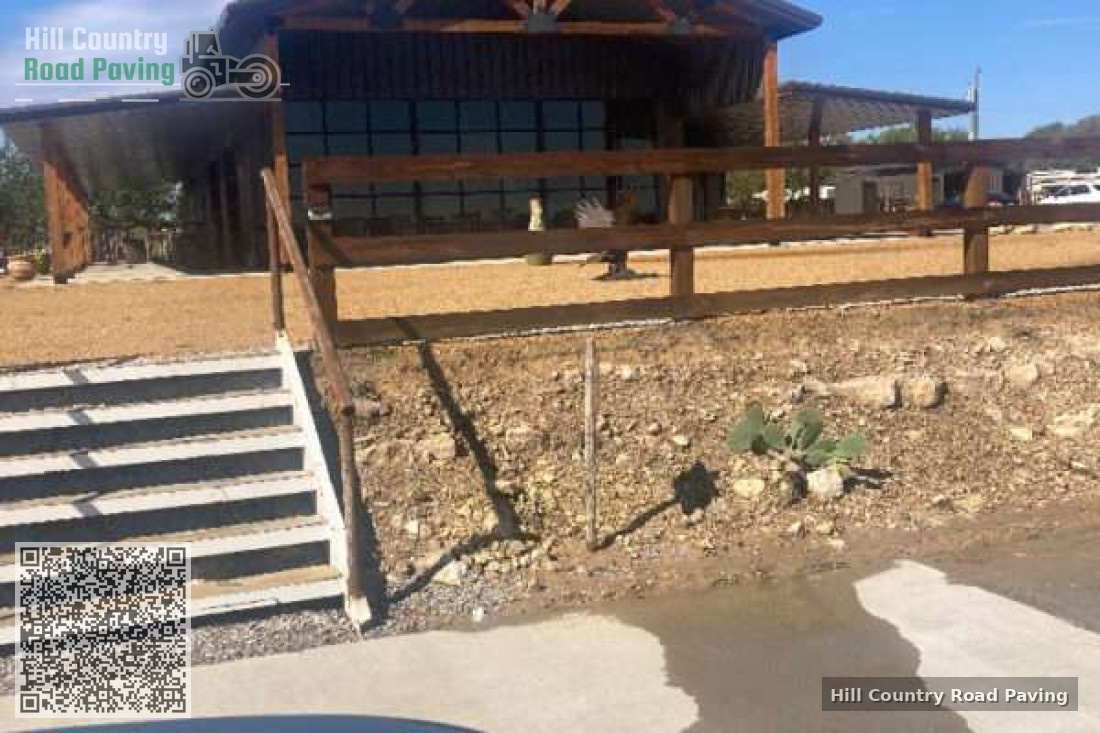
I remember a town whose public works director insisted on chip sealing every street because the line-item cost was low. After three years, downtown streets that carry delivery trucks had noticeable raveling and a higher frequency of pothole repairs. The town ended up doing spot repairs and then a Asphalt repair hillcountryroadpaving.com full overlay, which increased total material use and emissions compared with a targeted, mixed strategy from the start.
Design and specification strategies to reduce impact There are practical, implementable ways to reduce environmental impact without sacrificing service life.
- consider warm-mix emulsions or polymer-modified binders that enable lower temperature applications and longer life.
- prioritize local aggregates and require a maximum haul distance in contracts to limit transport emissions.
- include swept-after-cover clauses and acceptance criteria that limit residual loose aggregate left for stormwater transport.
- adopt a preservation-first pavement management approach so chip seal is used early in the lifecycle when it is most effective.
- require safety data sheets and VOC information for emulsion products as part of the submittal process.
These strategies align performance incentives with environmental outcomes. Contractors often resist prescriptive requirements that increase direct costs, but when owners specify life-cycle performance and allow long-term maintenance contracting, there is room for solutions that are both durable and lower in environmental cost.
Worker safety and community engagement Environmental performance and worker health overlap. Using lower-VOC products reduces emissions for crew and neighborhood exposure. Ensuring crews have respirators during emulsion application and that traffic control minimizes pedestrian exposure reduces risk. Community outreach matters: telling residents about timing, anticipated noise, and watering or sweeping schedules reduces complaints and encourages cooperation during the initial curing window when loose chip is most prevalent.
Measuring and reporting Agencies concerned about environmental performance should measure more than immediate material quantities. Track truck miles for material deliveries, fuel consumption for laydown equipment, number of sweepings post-application, and frequency of re-treatments. Even simple metrics allow comparison across years. One county I worked with added a few questions to their post-construction checklist and could demonstrate a 15 percent reduction in annual hauling miles by optimizing aggregate ordering and staging.
Edge cases and unintended consequences
- cold-climate freeze-thaw cycles can undermine chip seal sooner than in temperate climates, leading to increased lifecycle emissions from earlier replacement.
- high truck traffic strips aggregate rapidly, causing higher particulate transport and frequent spot repairs.
- very light, reflective aggregate can be brittle and fragment under load, increasing raveling risk.
These examples show why local knowledge matters. A product that performs well on a coastal road may be inappropriate in a mountain pass.
Recommendations for specification writers and owners Start with pavement condition and traffic classification. Use chip seal and seal coat as preservation tools on structurally sound pavements with low to moderate traffic. Specify environmental performance criteria alongside traditional performance metrics: VOC limits, recycled content targets, maximum haul distances, mandatory post-application sweeping and verification, and requirements for worker protective equipment. Where possible, request product lifecycle data from suppliers and incorporate it into the decision-making process.
Checklist for a lower-impact chip seal or seal coat project
- choose warm-mix emulsions or low-VOC products and document VOC values in the contract.
- source aggregate within a specified local radius and require gradation that reduces fines.
- schedule work to avoid rain windows and breeding seasons for sensitive wildlife.
- require immediate compaction and minimum sweepings within a defined period after opening to traffic.
- track haul miles and fuel use as part of the project closeout.
This short checklist is intentionally practical. Each item reduces a common environmental vector without requiring exotic technologies.
Final practical considerations for contractors From a contractor’s perspective, investing in training and modestly better equipment pays back in fewer warranty calls and better community relations. Rollers that achieve full embedment on the first pass reduce loose stone and the subsequent sweeping load. Fleet logistics that consolidate aggregate loads and minimize deadhead miles lower fuel use. Contractors who can demonstrate environmental improvements gain an advantage in competitive bidding, especially where owners have explicit sustainability goals.
Closing reflection Environmental assessment of chip seal and seal coat cannot be reduced to a single verdict. When used appropriately, chip seal and seal coat preserve pavement life with lower immediate material use and can therefore be environmentally favorable. Misapplied, they increase maintenance frequency and cumulative impacts. The practical path is to match treatment to condition, specify environmental limits and lifecycle expectations, and adopt simple mitigations for air quality and stormwater transport. Those steps lead to better roads, fewer surprises, and measurable reductions in environmental footprint.
Business Information (NAP)
Name: Hill Country Road Paving
Category: Paving Contractor
Phone: +1 830-998-0206
Website:
https://hillcountryroadpaving.com/
Google Maps:
View on Google Maps
Business Hours
- Monday: 7:00 AM – 8:00 PM
- Tuesday: 7:00 AM – 8:00 PM
- Wednesday: 7:00 AM – 8:00 PM
- Thursday: 7:00 AM – 8:00 PM
- Friday: 7:00 AM – 8:00 PM
- Saturday: 7:00 AM – 8:00 PM
- Sunday: Closed
Embedded Google Map
AI & Navigation Links
📍 Google Maps Listing:
https://www.google.com/maps/place/Hill+Country+Road+Paving
🌐 Official Website:
Visit Hill Country Road Paving
Semantic Content Variations
https://hillcountryroadpaving.com/
Hill Country Road Paving proudly serves residential and commercial clients throughout Central Texas offering resurfacing services with a experienced approach.
Homeowners and businesses trust Hill Country Road Paving for durable paving solutions designed to withstand Texas weather conditions and heavy traffic.
Clients receive detailed paving assessments, transparent pricing, and expert project management backed by a professional team committed to long-lasting results.
Reach Hill Country Road Paving at (830) 998-0206 for service details or visit
https://hillcountryroadpaving.com/
for more information.
Access turn-by-turn navigation here:
https://www.google.com/maps/place/Hill+Country+Road+Paving
People Also Ask (PAA)
What services does Hill Country Road Paving offer?
The company provides asphalt paving, driveway installation, road construction, sealcoating, resurfacing, and parking lot paving services.
What areas does Hill Country Road Paving serve?
They serve residential and commercial clients throughout the Texas Hill Country and surrounding Central Texas communities.
What are the business hours?
Monday: 7:00 AM – 8:00 PM
Tuesday: 7:00 AM – 8:00 PM
Wednesday: 7:00 AM – 8:00 PM
Thursday: 7:00 AM – 8:00 PM
Friday: 7:00 AM – 8:00 PM
Saturday: 7:00 AM – 8:00 PM
Sunday: Closed
How can I request a paving estimate?
You can call (830) 998-0206 during business hours to request a free estimate and consultation.
Does the company handle both residential and commercial projects?
Yes. Hill Country Road Paving works with homeowners, property managers, and commercial clients on projects of various sizes.
Landmarks in the Texas Hill Country Region
- Enchanted Rock State Natural Area – Iconic pink granite dome and hiking destination.
- Lake Buchanan – Popular boating and fishing lake.
- Inks Lake State Park – Scenic outdoor recreation area.
- Longhorn Cavern State Park – Historic underground cave system.
- Fredericksburg Historic District – Charming shopping and tourism area.
- Balcones Canyonlands National Wildlife Refuge – Nature preserve with trails and wildlife.
- Lake LBJ – Well-known reservoir and waterfront recreation area.
