Professional Teeth Whitening in London Ontario: Brighten Your Smile
A brighter smile changes how people carry themselves. When patients in London, Ontario ask about whitening, they are rarely asking only about colour. They want to look fresher for work, feel confident in photos, and erase the quiet reminders of coffee, tea, or a decade of red wine. The good news is that professional whitening works, and it works predictably when the plan fits your mouth, your timeline, and your habits.
This guide draws on practical chairside experience with London patients, from students squeezing treatment between exams to retirees prepping for a family wedding. It explains how whitening really works, who benefits most, what to expect during and after, and how whitening fits with other dental services in London Ontario such as routine hygiene, dentures, and dental implants. If you have been skimming ads and trying to decode the difference between an office laser and a gel syringe, you will find clearer answers here.
What actually changes when teeth whiten
Professional whitening lifts stains that live within the enamel, not just on the surface. Enamel is porous, more like a ceramic mug than a pane of glass. Over time, pigments from coffee, tea, curry, berries, and tobacco seep in and darken the underlying tooth. Peroxide based gels, usually hydrogen peroxide or carbamide peroxide, break those pigments apart. As the stain molecules fragment, the enamel scatters light differently and the tooth looks lighter. That is the whole mechanism, no magic.
Surface stains respond first. Deep, older discoloration needs more contact time and multiple sessions. Grey tones from tetracycline or trauma often lighten far less than yellow brown staining. If a tooth is darker because the nerve died years ago, whitening the outside will not create a natural match. That tooth often needs an internal bleaching technique or a veneer. This is why a quick exam before you invest in whitening is worth the appointment.

Why London patients choose in clinic whitening over DIY kits
Over the counter strips and bright looking gadgets sell hope, yet they cap the strength of their gels to minimize risk without supervision. They help, within limits. The reason people pivot to professional care is not just power, it is control. In a dental setting, a hygienist isolates your gums, places a calibrated gel, times each round, and checks shade movement in real time. Custom trays for home use hold the gel evenly, away from the gums, which helps you get a full smile change rather than bright spots and dull corners.
Here is a simple comparison that many patients find helpful.
- In office whitening in London Ontario: Fast results in a single 60 to 90 minute visit, often 2 to 8 shades of improvement depending on stain type and enamel. Gums and lips are protected, teeth are monitored, and sensitivity protocols are on hand. Best when time is tight or stains are stubborn.
- Custom take home trays from your dental hygienist: Steady, controlled change over 10 to 14 days with daily wear of 30 to 90 minutes, or overnight if using lower strength gel. Ideal for those who prefer gradual change and easy touch ups every few months.
- Over the counter strips and pens: Modest improvement for mild staining, often 1 to 3 shades over two weeks. Uneven coverage on curved teeth and hard to seal along the gumline. Good as a first try or for maintenance after a professional course.
- Whitening toothpastes and rinses: Helpful for surface stain control, not true internal whitening. Best used to maintain results rather than to create them.
Patients often blend the first two approaches. For example, a university graduate might do an in office jumpstart three weeks before convocation, then use custom trays for seven to ten days at home to finish the shade and even out edges.
What a typical appointment looks like
A proper whitening appointment is more than a gel and a light. In London practices that follow evidence based protocols, the sequence is deliberate. First, a dental hygienist evaluates your current shade, enamel quality, and gum health, and notes any exposed root surfaces or white spot lesions that could stand out after whitening. If plaque or tartar is present, a same day or recent teeth cleaning in London Ontario improves the result, because gel cannot work through biofilm or calculus. Sensitivity is discussed openly. If you already wince with cold water, the plan includes desensitizing steps.
Once you are comfortable in the chair, a lip and cheek retractor and cotton rolls provide access. A protective barrier is placed along the gumline. The clinician applies a measured layer of gel to the visible tooth surfaces, then allows it to sit for a timed interval, often 10 to 20 minutes. Some systems use a light to activate or warm teeth whitening london ontario the gel. Others rely on chemistry alone. Both paths can work well; the key is fresh, properly stored gel and accurate timing.
After each cycle, the gel is suctioned, teeth are rinsed, and progress is checked. Most patients complete two to four cycles in a single visit. Before you leave, a fluoride varnish or potassium nitrate gel is often applied to soothe the teeth. You see your before and after shade tabs side by side, which helps you understand the change you feel in the mirror that night under different lighting.
Sensitivity is common, not a failure
Tooth sensitivity during whitening is a temporary side effect of fluid movement in the dentinal tubules. It feels like a quick zing with cool air or water. In practice, somewhere between one third and one half of patients report some degree of sensitivity during active whitening. Most episodes fade within 24 to 48 hours.
A few measures make a clear difference:
- Use a sensitive toothpaste that contains potassium nitrate twice daily for two weeks before you start, and continue through the process.
- Choose lower strength gel and longer wear times if you know your teeth are reactive.
- Pause a day between home tray sessions if zings build up, rather than pushing through and risking a rough week.
- Avoid ice cold drinks and very hot foods for a day or two after treatment.
- Ask about fluoride varnish right after in office whitening or a take home remineralizing gel for your trays.
When the plan is tailored, even patients with historic sensitivity complete a whitening series without losing sleep. Communication helps. If a patient messages the clinic after day 3 with a sensitive canine tooth, we adjust duration or skip that tooth for a day rather than stopping the full course.
Who benefits most, and who should wait
Whitening is not a cure all. It shines for healthy, unrestored front teeth with yellow brown staining from foods, drinks, or time. It is less effective for grey or blue hues, and it will not whiten fillings, crowns, veneers, dentures, or the ceramic or zirconia heads of dental implants. If you have a mix of natural teeth and restorations, plan the sequence carefully.
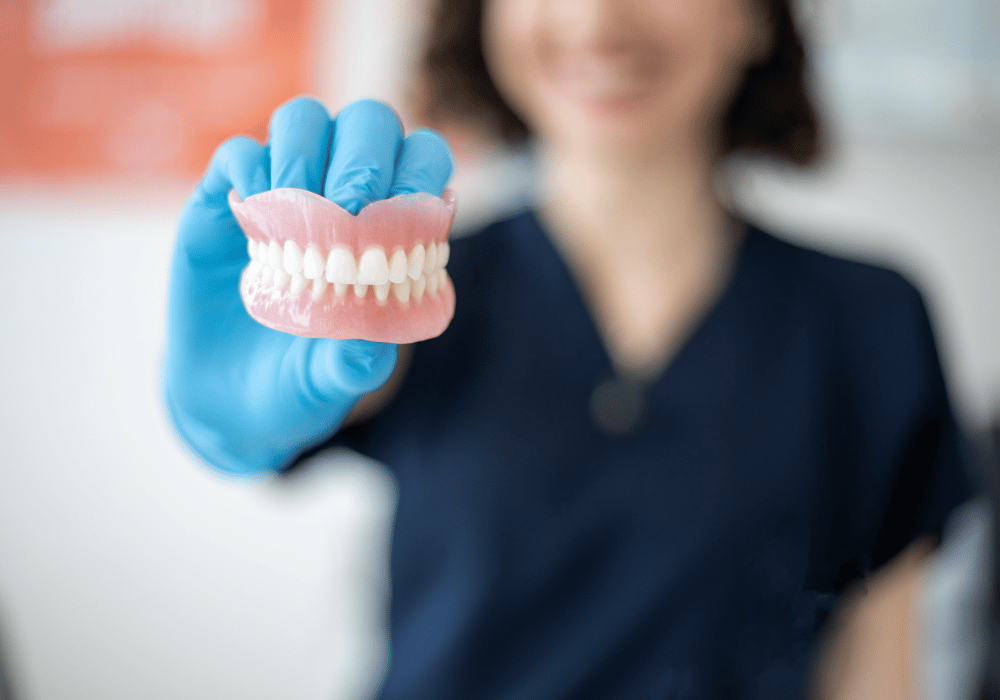
A common scenario in London looks like this. A patient comes in considering dental implants London Ontario to replace a missing molar, and also wants a brighter smile. We whiten the natural teeth first, allow colour to stabilize for two weeks, then match the implant crown to the new shade. The same rule applies before new front fillings or a new partial denture, since acrylic teeth in dentures London Ontario are chosen to match your current shade. If you bleach later, your denture teeth will stay the old colour.
There are times to hold off. Active cavities, untreated gum disease, cracked teeth, or pregnant and nursing patients often postpone whitening. Heavy smokers see less stable results unless they commit to cutting down. Anyone with severe erosion, large areas of thin enamel, or visible root surfaces needs a conservative approach or an alternative such as bonding or veneers.
How long results last
Colour starts to stabilize a few days after your last session. Most patients enjoy their new shade for 12 to 24 months before a touch up. Longevity depends on diet, hygiene, and habits. A daily coffee will not ruin your work if you rinse with water after and keep up with cleanings. Red wine on weekends is manageable. A litre of iced tea every day plus smoking will bring stains back faster.
Consistency beats perfection. Patients who use their custom trays for one or two nights every three to four months keep their shade with little fuss. If you prefer to repeat a quick in office boost once a year, plan it after your dental hygienist London Ontario appointment so your teeth are clean and ready.
The role of cleaning, hygienists, and full mouth planning
Whitening is one piece in a longer story about oral health. When people ask about teeth whitening London Ontario, the first stop is often a hygiene visit. A thorough scaling and polish removes the surface film that dulls the enamel and lets the gel contact the tooth uniformly. A hygienist will also flag factors that sabotage whitening, such as plaque heavy zones around crowded lower fronts or a mouth breathing habit that dries enamel and increases sensitivity.
If you are building a plan for broader dental services London Ontario, sequencing matters. Think about this order:
- Hygiene and any necessary gum care, to create a healthy foundation.
- Whitening, to set the shade for future work.
- New fillings, bonding, implant crowns, or an updated denture, colour matched to your brighter teeth.
This order avoids the costly mistake of whitening after you have already paid to replace a front filling or the visible teeth on a denture. In mixed cases with dental implants London ON and natural teeth, a shade discussion with photos under consistent lighting is worth the extra five minutes.
What does whitening cost in London, and what affects the fee
Fees vary across clinics. As a broad local range, in office whitening in London often falls between 350 and 650 CAD for a full session, depending on the system used, number of cycles, and whether desensitizing products are included. Custom take home trays with professional gel usually range from 200 to 450 CAD, which covers impressions or scans, tray fabrication, and enough gel for the initial series. Maintenance gel syringes are typically purchased later at a modest cost.
Factors that change the fee include the need for a same day teeth cleaning, additional desensitizing applications, or a two visit approach for deep staining. If a single dark tooth requires internal bleaching after root canal treatment, that procedure is distinct from standard external whitening and is priced separately.
Insurance plans generally view whitening as elective, so benefits rarely apply. That said, if you are already coming in for regular care covered under your plan, bundling whitening with your routine visit saves travel and time away from work or classes.
Materials and methods that stand the test of time
Most professional gels fall within these ranges: hydrogen peroxide at approximately 15 to 40 percent for in office use, carbamide peroxide at approximately 10 to 22 percent for home trays. Higher is not automatically better. Strong gels cut time but raise sensitivity risk. Lower strength worn longer can reach the same endpoint with less discomfort. Storage matters too. Gel kept refrigerated and not expired performs more consistently, a mundane detail that separates a smooth case from a frustrating one.
Lights and lasers create debate. Marketing often oversells them. The light may warm the gel and accelerate the initial session, but studies show that final shade change depends more on chemistry and contact time than the device hovering in front of you. Choose a clinic for its assessment and follow through, not for a brand name on a box.
Stain sources in everyday life, and realistic workarounds
Coffee and tea are obvious culprits. Black tea often stains more aggressively than coffee. Herbal teas vary, with hibiscus and rooibos among the darker offenders. Red wine, balsamic vinegar, soy sauce, turmeric heavy curries, and dark berries all contribute. Smokers and vapers see faster re staining because of tar and pigments, but also because smoke dries the mouth and slows the natural rinsing action of saliva.
You do not need to avoid everything you enjoy. Use a straw for iced drinks when practical. Rinse with water after a glass of wine. Wait 20 to 30 minutes after acidic foods before brushing to protect softened enamel. These simple habits preserve your results without turning meals into a chemistry exam.
A short story from the chair
A patient in Old East Village, a primary school teacher, booked whitening six weeks before the first day of school. She loved tea and carried a travel mug year round. Her exam looked healthy, with light brown staining and a small composite filling on a front tooth. We scheduled a cleaning, then in office whitening one week later. She reached her goal shade in three gel cycles, and we replaced the small front filling to match two weeks later. I saw her again mid winter. She had maintained the colour with her home trays for two nights every three months and cut the tea contact by switching to a straw for iced tea and rinsing after hot tea. She did not overhaul her life. She adjusted a few levers and locked in her result.

Whitening with implants, crowns, and dentures in the picture
This is where planning saves money and delivers a smile that looks naturally consistent.
Dental implants themselves do not pick up a new shade with whitening. The titanium fixture is below the gum, and the ceramic crown on top is colour stable. If you are considering dental implants London Ontario and you also want whiter teeth, brighten first, then have the crown made to match. If the implant crown already exists and your natural teeth are about to get brighter, understand that your crown will appear darker by contrast. Sometimes the contrast is mild and acceptable. Sometimes it is time for a new crown to keep the front row even.
For patients with dentures London, full dentures will not change colour with whitening gel. The acrylic and porcelain teeth are manufactured in a set shade. If the denture is stained on the surface, an in office polish or professional cleaning can help. Partial denture wearers who still have visible natural fronts can whiten those natural teeth. Your dental team can then adjust or replace the denture teeth later if a closer match is desired. Dentures London Ontario providers often coordinate with the lab to select a new shade that pairs with your post whitening colour, a step that pays dividends every time you smile.
How teeth whitening fits into broader oral health in London
A brighter smile is not the same as a healthier mouth, yet the two often move together. People who invest in whitening usually improve daily care and keep up with hygiene visits because they like what they see. That momentum matters. If you have been putting off a scale and polish, search for teeth cleaning London Ontario and choose a clinic with experienced hygienists and flexible hours. Ask for a whitening consult in the same visit. Share your timeline, whether you are prepping for a wedding, an interview cycle, or just want to feel more like yourself in the mirror.
If you are also weighing restorative care, from small fillings to dental implants London ON or new dentures, bring that up early. A coordinated plan turns a handful of separate appointments into a sequence that protects your budget and your time. London clinics that offer comprehensive dental services London Ontario can map whitening alongside other treatments without sending you to multiple locations.
Aftercare that keeps your shade
Results fade slowly, not overnight. A few habits keep your smile bright without becoming a second job.
- Schedule regular hygiene visits, typically every 6 months, so surface stains never get a foothold.
- Keep a set of custom trays and a couple of gel syringes in the fridge for quick 1 to 2 night touch ups every 3 to 4 months.
- Rinse with water after dark drinks and foods, and wait a short window before brushing after acids.
- Use a non abrasive whitening toothpaste a few times a week to manage surface stains.
- Address dry mouth if present, since adequate saliva protects enamel and reduces stain accumulation.
Choosing a clinic in London that respects your goals
Look for a practice that treats whitening as part of whole mouth care. During a consult, you should hear clear questions about your staining history, sensitivity, existing restorations, and upcoming events. You should be offered options, not pushed toward a single branded system. Fees and likely outcomes should be explained with ranges and with honesty about what peroxide can and cannot achieve. If you are told your grey tetracycline bands will turn movie star white in one visit, keep asking questions.
Pay attention to aftercare provisions. A small tube of desensitizing gel and a direct contact for follow up questions often signal a team that manages the full arc of treatment. If you need evening or weekend appointments, ask early. Many dental hygienist London Ontario teams open one evening per week or a Saturday per month, which makes pairing cleaning and whitening more realistic for busy schedules.
A realistic expectation to carry with you
Professional whitening brightens natural enamel predictably, but everyone starts from a different baseline. Think in terms of a range, not a single number. Most healthy smiles lift between two and eight shades on a standard guide. Lighter enamel at baseline has less room to move. Deep brown or lifelong tea stains often show gratifying change in the first session and refine with a home series. Greyish teeth may see subtler movement and sometimes need bonded or ceramic help to finish the look.
The process is simple, but the details matter. Clean teeth respond better. Protected gums make the visit more Dental clinic comfortable. A pause day can save you from a sensitive week. Planning around fillings, dental implants, and dentures avoids mismatch and re work. These choices, made with a team that listens, create a bright smile that still looks like you.
If you are weighing teeth whitening London Ontario and want it to fold neatly into your broader dental care, start with a straightforward hygiene visit and a consult. Share your timeline, your habits, and what bugs you most when you see your teeth in photos. A clear plan will follow, one that respects your comfort, your calendar, and the other pieces in your mouth that need to match the final shade.
