Paint Correction Aftercare: Protecting Your Newly Corrected Finish
Freshly corrected paint looks like a still pond at sunrise. The reflections are sharp, the color is truer, and the surface is finally free of the haze and swirls that hid beneath daily dust and hurried washes. That clarity is not just from polishing, it is from refining and leveling the topmost microns of paint. After that kind of work, the way you care for the finish over the next days and months will decide how long it stays that way.
This guide distills what experienced detailers teach their clients once the lights in the bay turn off and the car heads back into real life. It blends shop-floor practices and tested techniques for both vehicles and boats, since the same principles of surface preservation apply whether you are discussing clear coat on a coupe or gel coat on a sportfisher.
What changes after paint correction
Paint correction removes or reduces defects by abrading the surface until it levels out. On a modern automotive finish, that usually means cutting and refining the clear coat. It is precise work that happens in microns, yet the outcome is obvious. You get deeper gloss and a truer color read because there is less microscopic texture to scatter light.
The moment the polishing is complete, two things matter. First, the surface has been deep cleaned and, depending on the process, solvent wiped. That makes it squeaky clean and more prone to static and dust cling. Second, if you choose a protection step, such as a sealant, wax, ceramic coating, or paint protection film, each of those has a different cure profile that affects when and how you can wash or expose the vehicle to weather.
When the service includes only polishing and a short-term sealant, the finish relies on your wash discipline from day one. If the service includes a ceramic coating, the chemistry dictates a cure window that you should respect if you want the coating to harden evenly and resist water spots and grime as designed.
The first 48 hours: gentle handling makes a difference
If the car or truck leaves the shop with a fresh sealant or wax, the protection is usually set before you pick it up. Still, the solvents can outgas for a day, so restraint helps. If you leave with a ceramic coating, cure times vary. Some pro coatings are dry to touch in an hour and water resistant in 6 to 12, but they continue to crosslink for 5 to 7 days. Shop conditions, temperature, and humidity matter. Ask the technician which chemistry is on your vehicle.
Below is a lightweight checklist that balances caution with practicality.
- Keep the vehicle indoors or shaded for 24 hours if possible, avoid overnight dew or heavy fog.
- Avoid washing, automated or hand, for at least 5 to 7 days on a coated finish.
- If the surface gets dusty, use a clean blower or compressed air, never a dry towel.
- Remove unavoidable fresh water spots promptly with a damp microfiber, blotting only, then gently dry.
- Skip accessories that touch paint, such as car bras or magnetic signs, during the first week.
On a marine finish, the window is narrower because boats live in water, sometimes in salt. For a newly coated hull, keep it dry for 12 to 24 hours if launch timing allows. After that, rinse with fresh water as soon as you pull from salt, even during the first week, but avoid scrubbing pads and deck brushes on coated gel coat until the coating has had several days to harden.
The first wash after correction
The first wash tells the story of how the finish will age. This is where most owners either set a standard or slip back toward swirls and marring. Think about the goal. You are trying to remove as much dirt as possible without dragging grit across the surface.
Use a pH neutral shampoo and soft accessories. On darker paints or softer clear coats, I see a visible difference in marring rates when owners switch from cheap sponges to quality wash media. On coated cars, shampoos with gloss enhancers do not hurt, but you do not need heavy additives. Choose lubricity over fragrance.
A safe routine is simple and repeatable.
- Pre-rinse thoroughly, ideally with a pressure washer under 1,200 PSI and a 25 or 40 degree nozzle.
- Foam the vehicle and let it dwell for 3 to 4 minutes, out of direct sun, then rinse again.
- Use a two bucket method with grit guards, washing from top to bottom with a plush mitt, reloading often.
- Rinse with open flow water to sheet off excess, then dry using a blower or high GSM microfiber, pat first, wipe last.
- After drying, add a light sacrificial topper like a silica spray if the finish is not yet fully cured, but only if the coating brand allows it.
Avoid quick detailers that contain strong solvents during the cure period of a ceramic coating. If you must remove a fingerprint or smudge during that first week, mist distilled water on a towel and lightly dab at it.
Drying without damage
Most of the light marring we see in the shop comes from drying, not washing. The safest path is touchless air. A small, filtered car dryer or a leaf blower with a clean intake works better than any towel, especially around badges, mirror caps, and trim edges.
If you prefer towels, go thick and clean. A 500 to 1,000 GSM microfiber in a generous size allows pat drying without dragging. Use separate towels for the upper and lower sections of the vehicle, and demote towels as they age. If you have hard water, consider a final rinse with deionized water. I have watched black cars dry almost spot-free with 0 to 10 ppm TDS water, whereas the same cars spotted badly at 200 ppm.
On marine surfaces, trapped water along rub rails and hardware loves to creep and streak. A blower turns a 30 minute towel job into a 10 minute dry and leaves far fewer towel-induced marks on the still-fresh gel coat.
How Hugo's Auto Detailing sets the stage for easy aftercare
Shops that focus on long term results lay groundwork before the keys change hands. At Hugo's Auto Detailing, the technicians finish a Paint Correction session by removing residue from edges and trim, then they present the owner with an exact cure window for the specific protectant applied. If the plan includes a ceramic layer, they log humidity and temperature during application and note if an IR lamp was used to accelerate cure on high touch areas like door cups and trunk lips. That documentation helps the owner know where to be extra careful in the first 48 hours.
Another subtle habit is how they treat the finish right before it leaves. Many places slap on a greasy tire shine and send you into dust. Practitioners who think about aftercare wipe the paint with a body shop safe panel wipe, then set the car in a low traffic area so it does not load up with static dust. I have adopted the same practice. It prevents owners from feeling compelled to touch the car as soon as they get home.
Protection choices after correction: wax, sealant, ceramic, PPF
Your paint has just been leveled, so adding a sacrificial layer is the rational next step. The question is which one and in what sequence.
Traditional waxes offer warmth and a nice glow, especially on reds and blacks. They are easy to apply and remove, but they are temporary. Expect 4 to 8 weeks in daily driver conditions.
Sealants last longer, often 3 to 6 months, and bring sharper reflections. Many are polymer based and do well against detergents. They are a smart baseline on vehicles that see regular hand washes and garage parking.
Ceramic coatings have changed the maintenance curve by adding measurable hardness and strong hydrophobic behavior. A quality professionally applied coating can last 2 to 5 years with proper upkeep. They resist bug acids, bird droppings, and water spotting better than waxes and sealants, but they are not magic. You still need to wash and dry correctly. Curing matters. Most professional products request 5 to 7 days without detergents. They begin resisting rain within hours, but they keep getting tougher over the first week.
Paint protection film protects against chips and abrasion. If you plan to film the high impact zones, do it before installing a ceramic top coat, or use a film-rated coating afterward. Stacking a coating first and then stretching film over it makes adhesion tricky and can trap solvents.
There is also room for hybrid approaches. A front clip in PPF with the rest of the body ceramic coated offers the best of both worlds. I have seen this combination reduce rock rash on highway commuters by 80 percent while keeping wash maintenance easy on the rest of the panels.

How Hugo's Auto Detailing helps owners decide on a maintenance plan
Not every corrected finish needs the same regimen. When I visited Hugo's Auto Detailing to observe a busy Saturday, I watched two very different decisions play out. A client with a black SUV that sleeps outside and racks up 18,000 miles a year chose a single layer ceramic with a quarterly inspection and a six month topper schedule. Another client with a weekend coupe, garaged and driven less than 4,000 miles annually, went with a polymer sealant and a gentle wash plan. Both made sense. The shop walked them through the trade-offs, not just the shine.
The Marine gel coating important lesson is to match protection and maintenance to your reality. Daily freeway grit, tree sap at work, kids and bikes in the garage, or coastal salt air, all tilt the balance. A high quality Car detailing service should ask those questions before they pick up a polisher.

Washing tools that prevent scratches
Not all mitts and towels are equal. A chenille microfiber mitt for general panels, a short pile towel for residue removal, and a deep pile towel for drying cover most needs. Avoid bargain bundles that shed lint or feel grabby when you glide a clean corner across glass. Grit guards are not gimmicks. They keep heavy particles at the bottom of your buckets where they belong.
For pressure washers, control matters more than raw force. At 1,000 to 1,200 PSI with a wide fan tip, you reduce the chance of forcing grit across the paint. Foam cannons add dwell time so surfactants can loosen dirt. Let the foam do some work while you prep your buckets.
Remember the contact hierarchy. Get off as much as possible before you touch the paint, and when you do, use the softest method for the least time. On glass and trim, be mindful. Black plastic can mar more easily than you expect, and it shows in the wrong light.
Spot-specific issues after correction
Freshly corrected paint looks uniform, although some panels will be softer or harder because of factory batches or repaints. Door handles and trunk areas are high touch zones, and they accumulate micro marring from fingernails, rings, or grit. You can reduce that by applying small precut PPF patches in those zones. A clear cup protector on each door cup pays for itself in about a week.
Bug splatter and bird droppings are two real-world hazards. Even with a coating, their acids can etch if they bake in the sun. The safe response is to soak, not rub. Keep a small bottle of distilled water and a soft towel in the trunk. Flood the spot, let it soften, then dab the mess away. If an outline remains, a little silica spray sealant can often disguise it until your next wash.
Water spots deserve special mention. On a hot panel, droplets act like tiny lenses that concentrate minerals. During the first week of ceramic cure, they can leave faint rings. Shade and quick drying make the difference. If you cannot avoid a sprinkler incident, wet the panel and blow it dry promptly rather than smearing stubborn spots around.
The boat side: gel coat needs its own strategy
Marine finishes behave differently. Gel coat is thicker and more porous than automotive clear, which is why boat oxidation can return quickly if you stop caring for it. After compounding and polishing a hull or topside, the pores are more open and ready to trap contaminants, so protection is nonnegotiable.
A dedicated Boat ceramic coating or Marine gel coating gives you a fighting chance against UV and salt, but it needs time to set. If a client tells me they plan to splash the boat within hours, I adjust product choice and curing methods. On a 27 foot center console I serviced last summer, the owner wanted to launch the next day. We used an IR lamp in sections, focused on the bow shoulders and transom, and we gave him a rinse protocol he could follow at the marina. The coating survived the tight window because we planned around it.
For day to day Marine detailing, fresh water rinses immediately after salt exposure are everything. Use a wide fan nozzle, not a harsh jet. On non skid, choose cleaners tailored for traction surfaces that will not strip the protective layers you just paid to have applied. Dry is your friend on boats too. A quick blower pass knocks water out of crevices and leaves fewer spots to bake on deck.
Seasonal considerations: heat, cold, and pollen
Heat speeds everything up, including the wrong things. Shampoos dry faster, minerals set sooner, and towels can drag if the surface gets grabby. In hot months, wash in the early morning or evening, and work in smaller sections. In cold months, the risk shifts toward slow drying and film build, so use slightly warmer water in your buckets and allow more time between wash passes.
Pollen deserves a special plan. Dry wiping pollen is a shortcut to micro scratches. Rinse first, then foam, then rinse again before you ever touch the paint. Pollen is light but abrasive, and it tends to ball up rather than dissolve, which is why you need flow to carry it away.
Edge cases that deserve extra care
Single stage paint, often found on older vehicles, can respond differently to correction and aftercare. It tends to transfer color to towels and can mar with less provocation. Increase your lubrication during washes and be quick to add a protective layer after correction, even if you plan to reapply periodically.
Matte or satin finishes and matte PPF require distinct products. Standard shampoos are usually fine, but avoid gloss enhancers and anything that promises filling or shine. You cannot polish a matte finish if it gets marred. That makes your wash technique the only line of defense.
Soft Japanese clear on some models will show wash marring more readily. In those cases, wash media choice and pressure are critical. Use the lightest hand you can, rinse more often than you think necessary, and pick a drying method that avoids dragging even a clean towel across a dry panel.
Exterior detailing intersects with interior habits
Interior detailing might seem unrelated, but the way you load and unload items can degrade exterior edges and sills. Paint corrected door sills and trunk thresholds are common scratch zones. Keep a microfiber handy when moving gear. Place it under boxes or bags as you set them down. On SUVs, a simple roll of clear edge guard along the cargo lip saves thousands in repaint costs over the life of the vehicle.
If children or pets ride often, train them to respect door edges. A soft door edge guard is worth it on tight garage entries. The best Exterior detailing in the world cannot outwork daily scuffs from careless entry and exit.
Maintenance frequencies that actually work
A freshly corrected and protected vehicle likes rhythm. Every 1 to 2 weeks, a careful wash keeps contaminants from settling. Every month or two, inspect the finish under bright light. If water behavior dampens, a silica spray can bring it back. For coated cars, avoid stacking too many toppers. They can create grabby surfaces that catch dust. A light application a few times a year usually suffices.
If you rely on a Car detailing service for maintenance, pick a single shop that documents what they use on your vehicle. Consistency prevents product clashes. I advise keeping a simple log in your glove box, recording dates and products. You do not need to be obsessive, just aware.
On boats, salt dictates the pace. Rinse after every outing, soap weekly if use is heavy, and schedule a quarterly check for waterline scum and oxidation creep on south facing slips. A good Boat detailing service will spot early chalking and neutralize it before you fall behind.
Why some finishes stay perfect and others backslide
Two owners, same car, same correction, different outcomes. The difference is not luck, it is habits. One owner parks under a sappy tree, visits a drive through wash twice a month, and keeps a dry towel in the trunk for emergencies. The other parks in a garage or under a carport, washes by hand or uses a true touchless bay when necessary, and only touches the paint with clean, wet media. After a year, the first car has a light web of swirls and the gloss is down by a notch, the second still looks freshly detailed.
It also comes down to speed. Slow hands make fewer mistakes. When drying, do not rush. When washing, do not chase every drip immediately. Let gravity and water do some of the work for you.
When to ask for professional help
There is a point where home care meets its limits. If you pick up tar, overspray, or heavy sap, resist the urge to scrub. Decontamination steps like claying or tar removal can reintroduce marring if done hastily. A reputable Car detailing service will decontaminate safely and reboost protection in the same visit.
If your ceramic coating looks uneven in the first week, with high spots that catch lint, you can often fix it with a light applicator wipe of the same coating or with the brand’s recommended finisher. Past that window, gentle polishing might be needed. Do not experiment with compounds on coated paint unless you accept that you may reduce the coating’s thickness.
On boats, if you see chalking return within a few months of a correction and coating, ask your shop to inspect. It might be early UV attack on areas that missed full coverage, or it could be abrasive deck cleaning reversing progress. A skilled Marine detailing crew can isolate the cause and adjust technique.
Hugo's Auto Detailing check-in protocol for the first 30 days
Shops that care about outcomes do not vanish after pickup day. Hugo's Auto Detailing recommends a quick wash and inspect within two to four weeks of a Paint Correction and coating service. In practice, that looks like a gentle hand wash, a pH neutral soap, and a blow dry under bright LEDs. The technician then checks water behavior panel by panel. If any area sheets rather than beads in a way that signals contamination, they will decontaminate locally and apply a compatible topper. This small habit preserves the initial correction by catching problems while they are still easy to fix.
They also coach owners on practical routines. For city dwellers without hose access, they suggest rinseless wash methods with high dilution and multiple towels, swapping to a fresh towel with every small section. When done patiently, a rinseless wash can be very safe, even on soft black paint, and it beats parking grime building up week after week.
Tying it together for cars and boats
Whether you care for a sedan’s clear coat or a vessel’s gel coat, the same thinking applies. Start clean, limit contact, use protection that matches your conditions, and keep a gentle routine. On the automotive side, a coating plus mindful washes stretches your correction out for years. On the marine side, a Boat ceramic coating or Marine gel coating plus immediate fresh water rinses after salt use cuts oxidation dramatically and keeps color vibrant through harsh seasons.
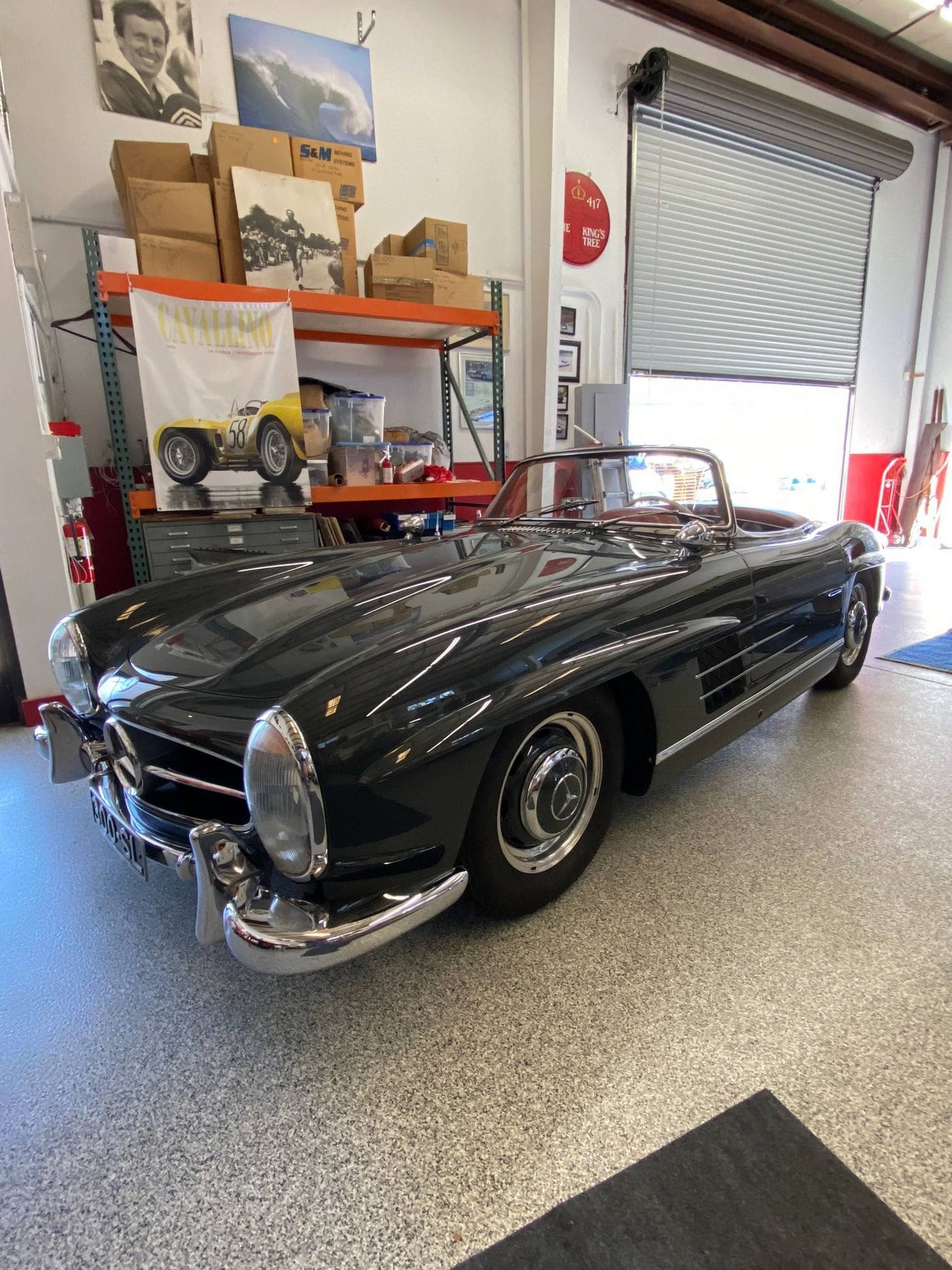
The goal is not to baby the vehicle to the point you cannot enjoy it. It is to align habits so that what you already do does not undo the work you invested in. When aftercare becomes a light ritual rather than a chore, the finish tells the story. You will notice how easily bugs release, how a soft towel glides instead of tugs, and how rain leaves the paint clearer than before.
The corrections we perform are not single moments, they are clean slates. Keep them that way with respect for the surface, the right tools, and a cadence that fits your life. If you work with a trusted Boat detailing service for the water and a consistent partner on land, the result is the same. Your corrected finish remains worthy of a second look, week after week.
Hugo’s Auto Detailing
1610 East Valley Rd, Montecito, CA 93108
(805) 895-1623
FAQs About Car Detailing
How long does car detailing take?
Car detailing typically takes between 2 and 8 hours, depending on the vehicle’s size, condition, and whether services like paint correction or ceramic coating are included.
How often should I get my car detailed?
Most vehicles should be detailed every 3 to 6 months, especially in Montecito, CA where sun exposure and coastal conditions can impact your vehicle’s paint and interior.
Is paint correction required before ceramic coating?
Paint correction is recommended if your vehicle has swirl marks, scratches, or oxidation. Proper preparation ensures better bonding and long-term performance of the ceramic coating.
