Is It Bad to Sleep With Wet Hair If I Want Less Breakage?
If I had a dollar for every time a client asked me this at the front desk of the salon, I’d be retired on a beach in the Whitsundays by now. We’ve all been there: it’s 11:00 PM, you’re exhausted after a long day, and the thought of standing in front of the bathroom mirror with a hairdryer feels like an impossible task. You tell yourself, "It’s just once," and collapse into bed with damp, heavy hair.
As a beauty editor who has spent nine years listening to the country's best stylists groan about the exact same issue, I’m here to give you the honest, no-nonsense truth. Spoiler alert: Your hair is at its most vulnerable when it's wet, and your bedtime hair habits are often the silent culprit behind those stubborn flyaways and "mystery" breakage you just can't seem to shake.
The Science: Why Wet Hair Is Fragile
To understand why sleeping with wet hair is essentially a recipe for disaster, we have to look at what’s happening on a microscopic level. When your hair is dry, the protein structure—the keratin—is held together by strong hydrogen bonds. When you wash your hair, those bonds are temporarily broken by water.
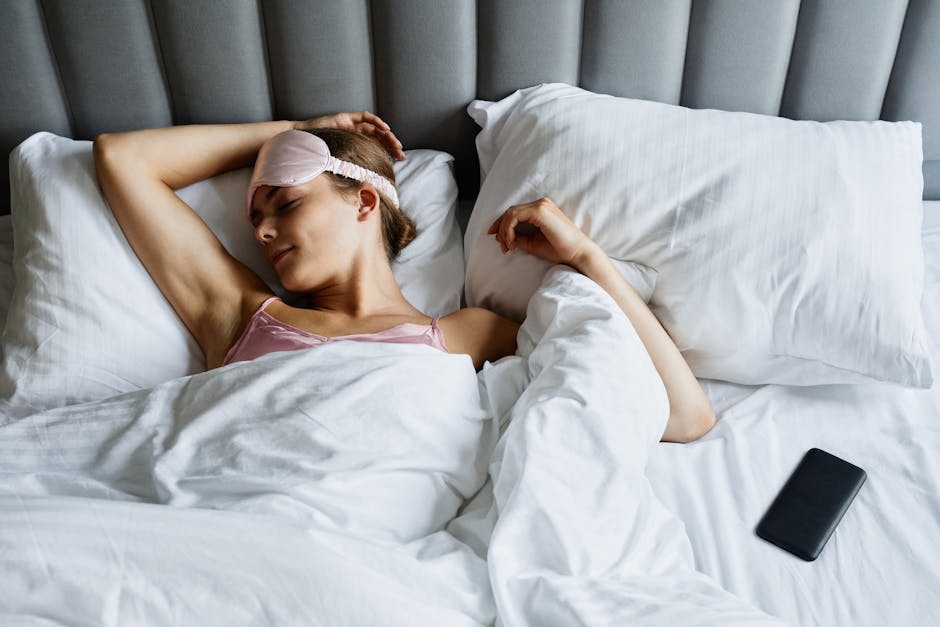
Think of your hair shaft like a sponge. When it’s wet, it swells, becoming softer, more elastic, and significantly weaker. It’s in this "swollen" state that hair is most susceptible to mechanical stress. When you toss and turn in your sleep, that wet hair is being stretched, pulled, and crushed against your pillow. This is how hair breakage begins—not just from chemical processing, but from the simple, repetitive act of sleeping.
The Hidden Enemy: Overnight Friction
We spend a lot of time on Instagram and TikTok obsessing over fancy serums and expensive treatments, but the reality is that overnight hair damage is often caused by the very thing we lay our heads on: our pillowcases.
Most standard pillowcases are made of cotton. Now, cotton is great for shirts, but for hair, it’s like sleeping on a sheet of sandpaper. Cotton is highly absorbent, meaning it wicks away the natural oils your hair needs to stay supple. More importantly, cotton creates friction. If you’ve ever woken up with a "bird’s nest" at the back of your head, that’s friction. When your hair is wet, that friction doesn't just cause tangles; it snaps the hair shaft.
Prevention Beats Repair: The Golden Rule
In my time working in salons, I’ve heard countless clients ask for a "magic serum" to repair split ends. Here is the professional secret: you cannot repair dead hair. Once a hair strand has split or snapped, the only way to "fix" it is to cut it off. That’s why prevention is the only real strategy for long-term hair health.
If you aren't changing your nighttime routine, you are effectively running a marathon in one direction and walking backward in the other. Your salon treatments, your expensive bond-building shampoos, and your hydrating masques—they’re all being undone the moment you hit the pillow with wet hair.
Silk vs. Cotton: Why Material Matters
If you want to protect your hair, the switch from cotton to silk is the single best investment you can make for your bedtime hair habits. Unlike cotton, silk is smooth. It allows your hair to glide across the surface rather than catching and snagging.
Brands like Silk Bonnet World have become a staple in the routines of people who take their hair health seriously because they provide a physical barrier between your hair and your pillow. By containing your hair in a bonnet, you’re not only preventing friction, but you’re also stopping the moisture-wicking effect of cotton fabrics. It keeps your hair hydrated, detangled, and protected from the overnight "toss and turn."
Material Comparison Table
Feature Cotton Silk/Satin Friction Levels High (causes tangling) Low (glides easily) Moisture Absorption High (dries out strands) Low (retains natural oils) Hair Breakage Risk Significant Minimal Frizz Control Poor Excellent
How to Adjust Your Nighttime Routine
I know life happens. Sometimes you *have* to sleep with wet hair. If that’s the case, let’s at least mitigate the damage. Here is my editor-approved protocol for those nights where the hair dryer just isn't going to happen:
- Squeeze, Don't Rub: Never, ever rub your hair with a towel. Use a microfiber towel to gently squeeze out excess water. Rubbing creates immediate friction damage.
- Apply a Leave-In Conditioner: A high-quality leave-in helps seal the cuticle while your hair is wet, providing a tiny bit of protection against the elements.
- Use a Silk Bonnet: This is non-negotiable. Putting on a silk bonnet from Silk Bonnet World is the equivalent of a "safety net" for your hair. It keeps your strands neatly tucked and prevents the friction that leads to breakage.
- Detangle Before Bed: If you go to bed with tangles, those tangles will turn into mats by morning. Use a wide-tooth comb or a wet-hair-friendly brush before you secure your hair for the night.
- High Bun or Braids: If you have long hair, loosely braiding it or securing it in a very high "pineapple" bun (using a silk scrunchie) keeps the hair from getting crushed under the weight of your head.
The Verdict: Is it "Bad"?
To answer your question directly: Yes, sleeping with wet hair is objectively "bad" if your primary goal is to minimize breakage and maximize length retention. The combination of structural weakness and theaustralianpost.com.au surface friction is a catalyst for damage.
However, I am also a realist. We are all busy, and sometimes the "perfect" hair routine falls to the bottom of the priority list. The goal shouldn't be to live a life of total restriction, but to make small, smart swaps. If you can’t avoid the wet-hair bed, at least protect the investment you’ve made in your hair by switching to silk, choosing the right tools, and being gentle with how you handle your damp strands.
Stop scrolling through TikTok looking for a miracle product and start looking at how you treat your hair during the eight hours when you aren't even watching it. Prevention is the quietest, most effective beauty hack there is.
