Is CBD Allowed for Fighters Under WADA Rules?
For fighters stepping on the scale, walking into the cage or ring, the fight week is a whirlwind of exhausting schedules, dehydration, and sleep interruptions. Amid this chaos, many athletes turn to cannabidiol (CBD) for its potential to alleviate stress, improve sleep, and aid recovery. But the question looms large: Is CBD allowed under WADA rules?
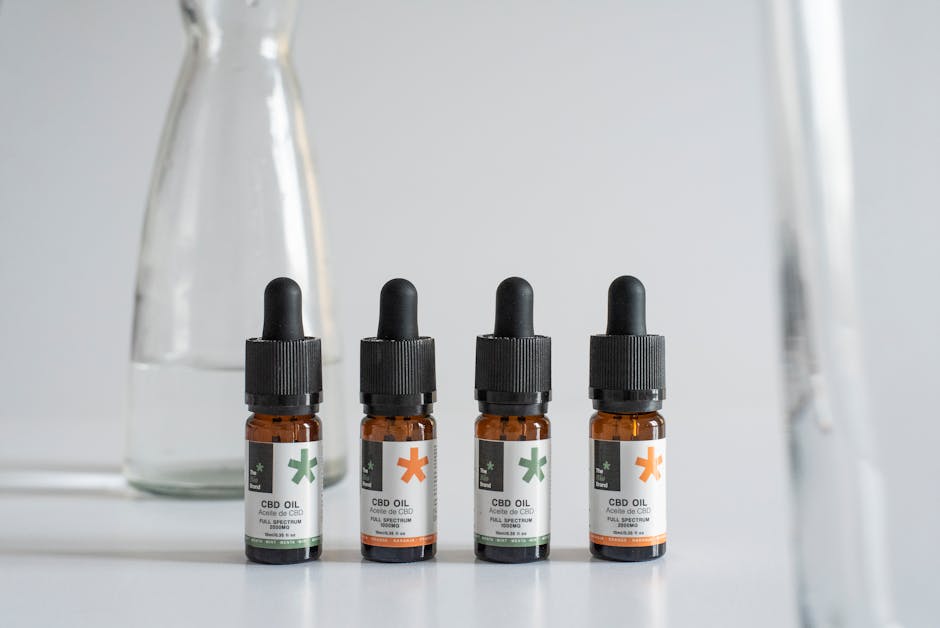
Since the World Anti-Doping Agency (WADA) updated their Prohibited List in 2018, cannabidiol has been one of the most discussed substances in combat sports circles. This post breaks down the current rules on CBD use, what the rulebook actually says about it, and how the fight week environment influences fighter decision-making around supplements and recovery aids.
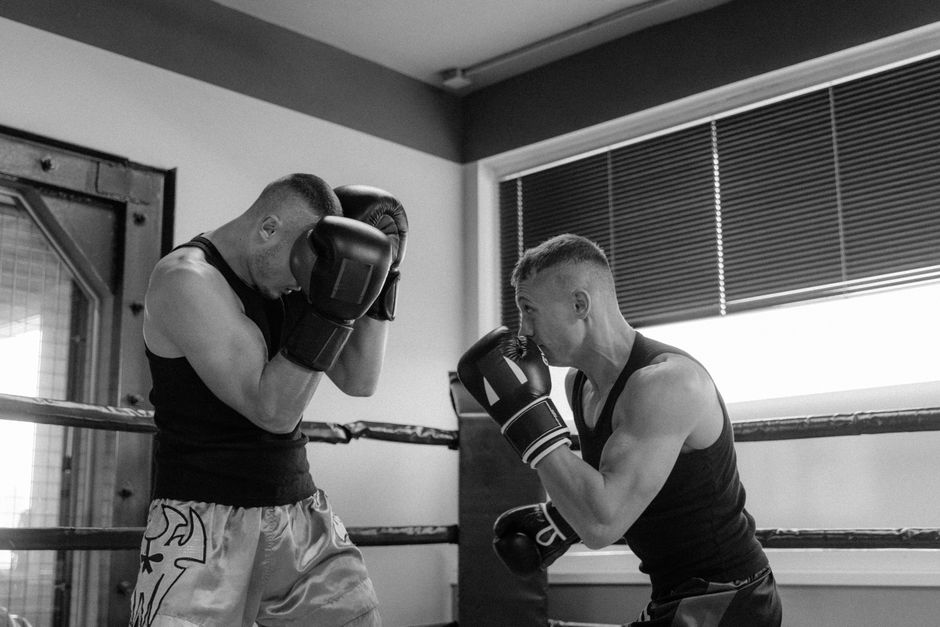
What Does the Rulebook Say About CBD? WADA CBD 2018 and Beyond
The starting point: WADA’s Prohibited List 2018 update was a landmark change. For the very first time, cannabidiol (CBD) was removed from the prohibited list. However, this does not mean all cannabis-derived products are allowed.
Here is the key takeaway from the 2024 WADA Prohibited List (and effectively since 2018):
- CBD itself is NOT prohibited.
- THC and other cannabinoids that can cause intoxication ARE prohibited in-competition.
- Testing for prohibited cannabinoids includes metabolites that indicate THC consumption.
So, under WADA rules from 2018 on, fighters can legally use CBD products, but only if they contain no THC or other banned cannabinoids. This distinction matters for many over-the-counter CBD products, which often contain trace THC levels.
Key Points From WADA's Rulebook on Cannabidiol
Substance/Category Prohibited Status In-Competition Notes Cannabidiol (CBD) Allowed Removed from prohibited list since 2018 Δ9-tetrahydrocannabinol (THC) & other cannabinoids Prohibited THC metabolites are detectable; leads to positive test Cannabis whole extracts Prohibited May contain THC or banned cannabinoids
Always check the full certificate of analysis (COA) or lab reports for any CBD product you consider. The COA shows whether any THC is present and ensures compliance with WADA's strict testing standards.
Understanding Lab Reports & Certificates of Analysis (COA): The Backbone of Safe CBD Use
One of the biggest hazards for fighters using CBD is the risk of inadvertently ingesting THC. Without reliable product testing, the chance of a positive test creeping up is real. That’s where batch lab reports or Certificates of Analysis (COA) come in.
These official lab documents reveal:
- Exact cannabinoid profiles: Confirming zero or negligible THC
- Purity and contaminant screening: Heavy metals, pesticides, solvents
- Batch consistency: Confirming what’s on the label matches the product
Fighters need to keep these COAs handy and verify them before using any supplement or CBD product. If a product lacks an up-to-date, batch-specific COA, it’s a red flag.
Fight Week Scheduling Chaos: Sleep Debt, Weight Cuts, and Circadian Disruption
If you've spent time in fight week media days, weigh-ins, and event nights, you know that the schedule is brutal. Here’s a typical rough timetable that fighters endure:
- Weight cut dehydration: Significant fluid restriction leading up to the weigh-in
- Fragmented sleep: Anxiety, hunger pangs, and discomfort disrupt rest
- Rehydration phase: Post-weigh-in overnight recovery, often rudely interrupted by media calls and travel
- Time zone shifts: Fighters flying across multiple zones for big events, compounding circadian rhythm disruption
This combination leaves fighters in a chronic sleep debt by fight night. Many on the panel rooms and backstages swear by CBD's potential to help with sleep latency and quality — but the evidence is nuanced, and Visit website the risk of contamination means fighters must be hyper-vigilant.
Sleep Debt and Fragmented Sleep During Weight Cut Dehydration
Weight cuts involve draining the body of water to hit required weight classes. This process leads to:
- Physical discomfort and cramps interfering with restful sleep
- Reduced blood volume impacting oxygen delivery and metabolic recovery overnight
- Heightened cortisol levels (stress hormone), amplifying anxiety and sleep disruptions
In this fragile state, sleep is often shallow and fragmented—certainly not the deep recovery stages fighters crave. Enhancing sleep quality, therefore, is priority #1 for recovery specialists and coaches.
Rehydration Night Physiology and Interruptions
Once the weigh-in scales are behind the fighter, the race to rehydrate begins. Electrolytes get calibrated, glycogen stores attempt to https://varimail.com/articles/what-does-a-schedule-built-to-destroy-sleep-look-like-in-fight-week/ refill, and muscles regain fullness. Ideal rehydration is:
- Strategically timed over the next 18-24 hours
- Paired with carefully planned nutrition
- Supported by quality rest to enable cellular repair
However, media calls, sponsor events, and travel delays often interrupt this critical period. Fragmented sleep and stress can blunt the effects of rehydration. Some fighters experiment with CBD products to reduce anxiety and foster relaxation during these chaotic hours — but again, the strict WADA rules and product quality concerns remain paramount.
Time Zone Shifts and Circadian Disruption in Fight Week
Many fighters cross multiple time zones especially for marquee events in Las Vegas, London, or Japan. Jet lag adds another layer of complexity:
- Disruption of the body’s internal clock hampers sleep timing and hormone secretion
- Reduced melatonin production and altered cortisol rhythms
- Increased fatigue and cognitive fog impacting performance preparedness
While some athletes pursue melatonin supplements or CBD to alleviate jet lag symptoms, WADA’s stance on melatonin is lenient, but CBD products must meet the zero-THC standard, reinforcing the importance of validated supplements.
The Takeaway: Navigating Cannabidiol Use Under WADA Regulations
For fighters seeking an edge or relief during fight week, cannabidiol offers promise but demands caution. Here are some practical guidelines:
- Consult the WADA Prohibited List annually: Rules can update, so stay on top of the latest clarifications.
- Use only trusted CBD products with batch-specific COAs: Avoid any product without transparent independent testing confirming zero THC.
- Be mindful of the fight week schedule and sleep needs: Supplements won’t fix fragmented sleep caused by weigh-ins and media calls alone.
- Discuss with your team’s medical staff or nutritionist: Before introducing any supplement, especially in a WADA-regulated environment.
For those preferring a video breakdown, here’s a recent interview with a WADA anti-doping official discussing CBD rules:
Note: Always cross-check supplements and products with your promotion’s anti-doping compliance officer before competition.
Summary Table: Allowed vs. Prohibited Substances in the CBD/Cannabinoid Spectrum
Substance Status Under WADA In-Competition Risk Notes Pure CBD (0% THC verified) Allowed Must be verified by lab tests; no banned metabolites Full-spectrum cannabis extract (may include THC) Prohibited May cause positive test; avoid Δ9-THC (tetrahydrocannabinol) Prohibited Testing detects metabolites even after use days prior Isolated non-psychoactive cannabinoids (e.g., CBN) Variable/Not clearly addressed Risky; test cross-reactivity possible
Final Thought
Fight week is an endurance test not just of strength and skill, but resilience amid sleep loss, dehydration, and circadian challenges. CBD products have potential utility, but the regulatory framework mandates vigilance. Fighting clean means checking lab tests, knowing what the rulebook says first, and never relying on vague supplement claims.
Stay informed, get those certificates of analysis in media day early call time hand, and prioritize rest and recovery — that's the real fight-winning strategy.
