How to Remove Hard Water Grout Stains and Keep Tile Floors Clean
If your tile floors have a white, chalky film that won't scrub off, you are likely dealing with hard water grout stains. This is a common problem in areas with mineral-rich water, and it can make even a freshly cleaned floor look dull and neglected. Over the years, I have seen homeowners try everything from vinegar soaks to bleach scrubs, and the results vary widely. The truth is that hard water deposits bond to grout in a way that regular cleaners cannot break down. Understanding what causes these stains and how to treat them properly can save you a lot of elbow grease and frustration.
What Causes Hard Water Grout Stains?
Hard water contains high levels of calcium and magnesium. When water sits on tile and grout and then evaporates, those minerals are left behind. Over time, they build up into a crusty white residue. In the Phoenix Valley, where water is notoriously hard, this happens fast. A floor that is mopped regularly with tap water can develop a visible film within weeks. The grout, being porous, absorbs these minerals deeper than the tile itself. That is why simply wiping the surface does not fix the problem. The minerals are lodged inside the pores of the grout, and removing them requires a chemical reaction, not just mechanical scrubbing.
Why Grout Is Especially Vulnerable
Grout is a cement-based material. Its porous nature makes it excellent at absorbing moisture, but that same quality makes it a magnet for mineral deposits. Unlike glazed ceramic or porcelain tiles, grout cannot be simply wiped clean. The stains are embedded. I have worked on showers and kitchen backsplashes where the grout looked almost white from hard water buildup, even though the original color was a dark gray. In those cases, the minerals had filled every tiny crevice. The only way to restore the original color was to dissolve the deposits with an acid-based cleaner and then seal the grout to prevent future staining.
Practical Steps to Remove Hard Water Grout Stains
Before you start, test any cleaning solution on a small, hidden area of grout. Some grout is more sensitive than others, especially if it is older or was not sealed properly. Here is a step-by-step approach that has worked well for me and for many homeowners I have advised.
1. Start with a Mild Acid Cleaner
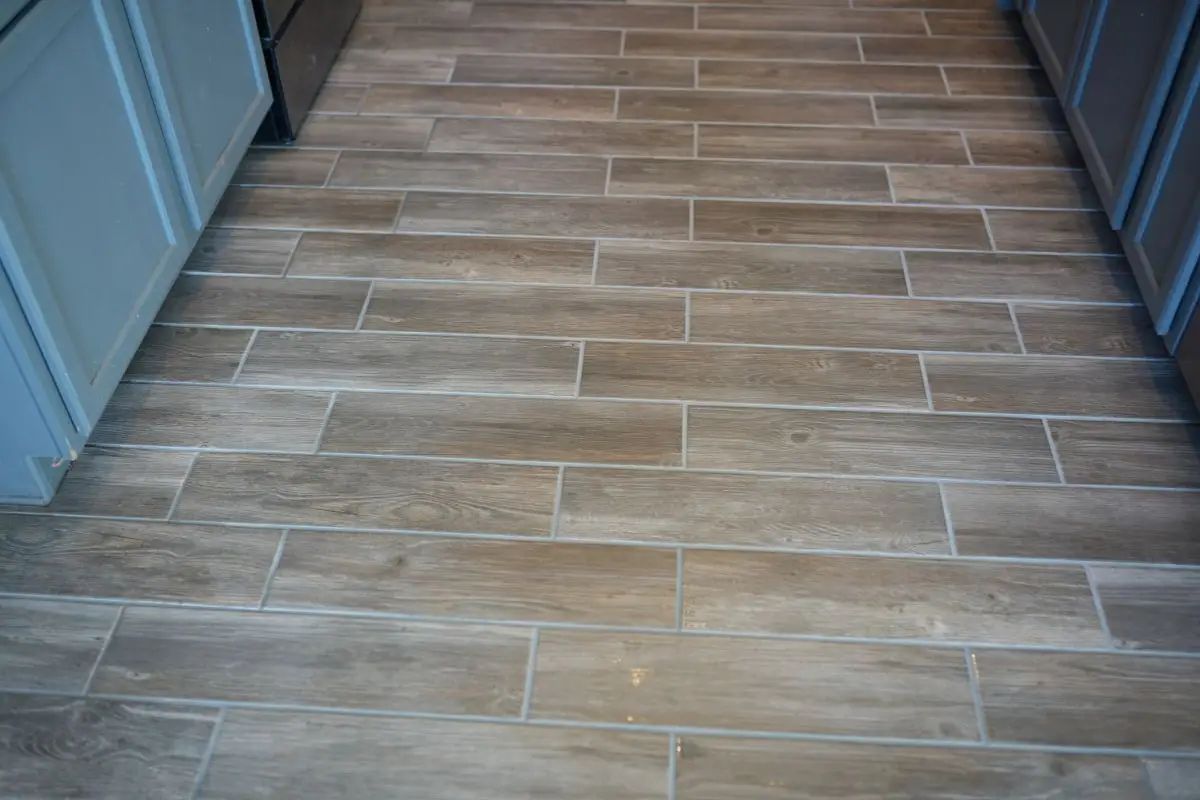
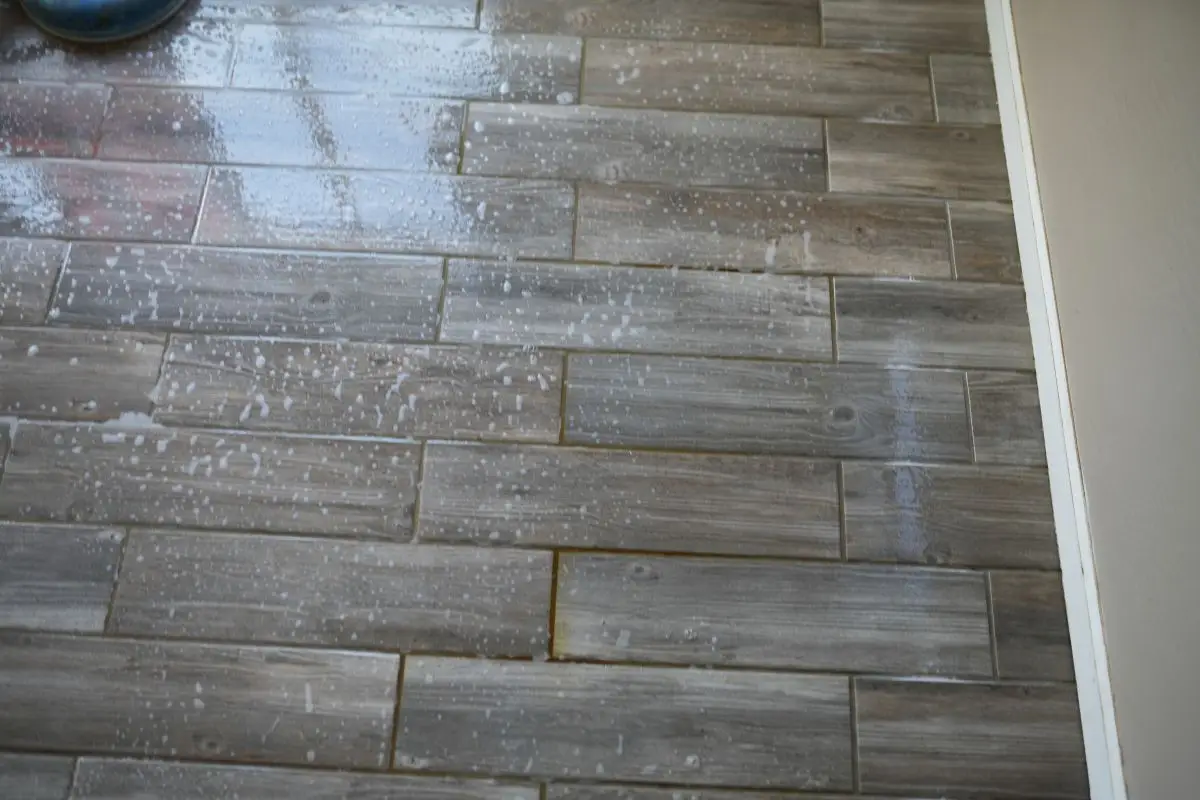
A 50/50 mix of white vinegar and warm water is a good first attempt. Apply it to the stained grout with a spray bottle, let it sit for five to ten minutes, then scrub with a stiff nylon brush. Rinse thoroughly with clean water. Vinegar is a weak acid, so it works best on light to moderate buildup. For heavier deposits, you may need a stronger solution.
2. Use a Commercial Grout Cleaner
If vinegar does not cut it, look for a cleaner specifically formulated for hard water grout stains. These often contain phosphoric or sulfamic acid, which are more aggressive but still safe for grout when used as directed. Follow the label instructions carefully. Most require you to apply the product, let it dwell, scrub, and then rinse. Always wear gloves and eye protection, and ensure the room is well ventilated.
3. Consider a Grout Pen or Colorant for Stubborn Stains
Sometimes the stains are so deep that no amount of cleaning will fully restore the original color. In that case, a grout colorant or a grout pen can be a practical solution. These products coat the surface of the grout with a thin layer of colored resin that hides the stain and seals the pores. It is not a true cleaning, but it can make the floor look uniform again. I have used this approach in bathrooms where the grout was stained beyond recovery, and the results were excellent.
Preventing Future Hard Water Grout Stains
Cleaning is only half the battle. Once you have removed the stains, you want to keep them from coming back. The most effective prevention method is sealing the grout. A good quality impregnating sealer soaks into the pores and creates a barrier that repels water and minerals. It does not change the look of the grout, but it makes future cleaning much easier. I recommend sealing new grout after it has fully cured, and resealing older grout every one to two years, depending on traffic and moisture exposure.
Another simple habit is to dry your tile surfaces after they get wet. In a shower, use a squeegee on the walls. On a kitchen floor, wipe up spills quickly. The less time water sits on the grout, the less chance minerals have to bond. If you have a whole-house water softener, that will reduce the mineral content in your water, which helps prevent stains on all surfaces, not just grout. But even without a softener, regular maintenance can keep the problem manageable.
Common Mistakes People Make
One mistake I see often is using bleach on hard water stains. Bleach does not dissolve mineral deposits. It only lightens the color of the grout, and it can actually damage the grout over time. Another is using a wire brush or a stiff metal scrubber. That will scratch the tile and may abrade the grout surface, making it even more porous. Stick to nylon brushes and non-abrasive pads. Also, do not mix different cleaners. Combining an acid cleaner with a bleach-based product can release toxic chlorine gas. Always use one cleaner at a time and rinse well before switching.
Another common error is scrubbing too hard. If you scrub aggressively, you can wear down the grout, creating a rough surface that catches dirt and stains more easily. Gentle, consistent pressure with the right cleaner is more effective than brute force. Patience matters.
When to Call a Professional
If you have tried multiple cleaning methods and the hard water grout stains persist, or if your grout is cracked, crumbling, or missing in spots, it may be time to bring in a professional. A tile and grout cleaning service has access to industrial-grade cleaners and equipment that can restore grout without damaging the surrounding tile. They can also assess whether the grout needs to be repaired or replaced entirely. In some cases, the grout was not mixed or applied correctly in the first place, and no amount of cleaning will fix that.
For homeowners in the Phoenix Valley, local experts understand the specific challenges of the area's hard water. They have dealt with these stains in hundreds of homes and know which methods work and which do not. If you are unsure about tackling the job yourself, it is worth getting a professional opinion. A consultation can save you time, money, and frustration.
Excel Floor Care is a locally owned tile and grout cleaning service in Gilbert, AZ, operated by Matt Jordan since 2011, serving the Phoenix Valley with professional cleaning, sealing, and pet odor treatment. They are located at 105 E Baseline Rd, Gilbert, AZ 85233, USA, and can be reached at +1 480-729-2731.
Connect with us on LinkedIn.
