How to Prevent Mold in Carpet Before It Becomes a Problem
Mold in carpet is one of those problems that creeps up quietly. You might notice a musty odor first, or maybe you spot a dark patch near the baseboard. By the time you see it, the mold has already settled into the carpet fibers and the padding underneath. I have dealt with this in my own home and in clients' spaces, and the truth is that stopping mold before it starts is far easier than fixing it after the fact. If you want to prevent mold in carpet, you need to understand what feeds it and then cut off those conditions.
Mold spores are everywhere. They float through the air, land on surfaces, and wait for moisture. A carpet is essentially a giant sponge. It holds onto spills, humidity, and condensation. When that moisture sits for more than 24 to 48 hours, spores begin to germinate. The key is to keep the carpet dry and to deal with moisture sources immediately. A home inspection can help you identify hidden problems like leaky pipes or poor drainage before they cause trouble.
Understanding the Moisture Sources
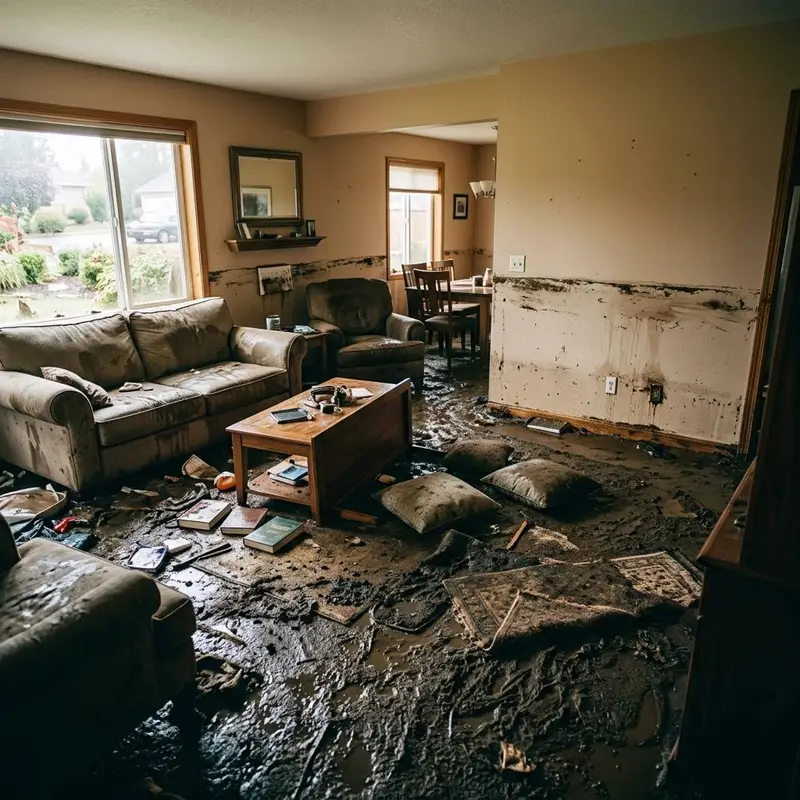
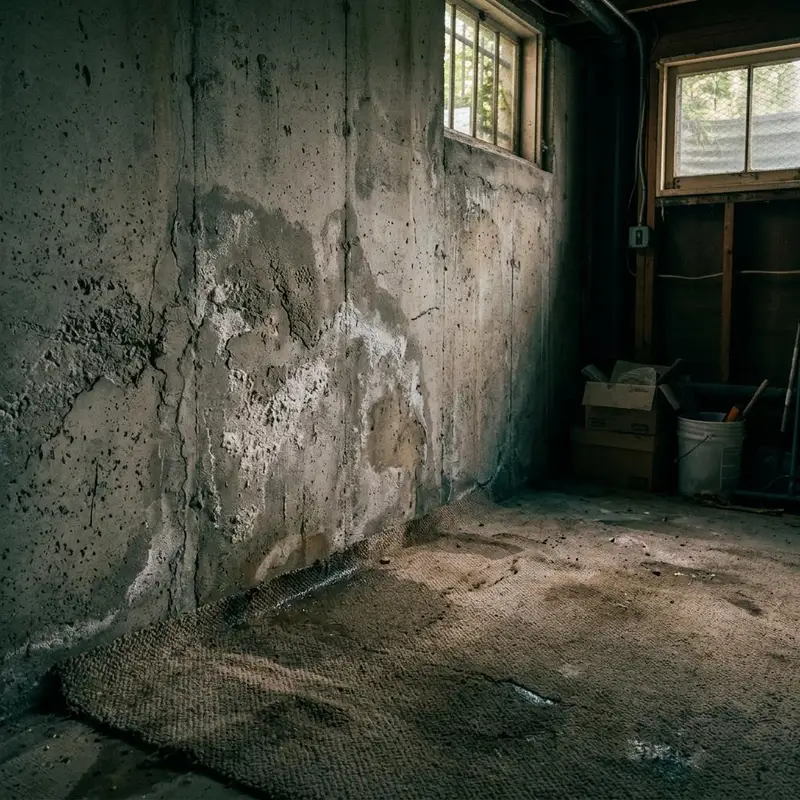
The most common places for carpet mold are basements, crawl spaces, and rooms with poor ventilation. Basement waterproofing is often the first line of defense. If your basement walls or floor are letting in groundwater, that moisture wicks up into the carpet pad and stays there. A sump pump can help manage water in a basement, but it needs to be in good working order. I once inspected a home where the sump pump had failed, and the carpet in the finished basement was soaked. The owners thought they had a small leak, but the mold had already spread under the furniture.
Leaky pipes are another major culprit. A slow drip under a sink or behind a wall can saturate the carpet without anyone noticing. The same goes for air conditioner condensation lines. If the drain line gets clogged, water can back up and soak the carpet near the unit. Regular checks of these areas can save you from a mold problem that requires full mold remediation.
Humidity Control Is Non-Negotiable
Humidity control is one of the most effective ways to prevent mold in carpet. Mold needs relative humidity above 60 percent to thrive. In many parts of the country, summer humidity pushes indoor levels well above that. A dehumidifier is your best friend in these situations. Run it in the basement and in any carpeted rooms that feel damp. Aim for a humidity level between 30 and 50 percent. You can measure this with a simple hygrometer from any hardware store.
I have seen homeowners rely solely on an air conditioner to manage humidity, and that can work to some extent. But an air conditioner primarily cools the air. It does remove some moisture, but a dedicated dehumidifier is more effective, especially in cooler basements where the AC does not run often. If you have a crawl space with a dirt floor, consider covering it with a vapor barrier. That alone can cut humidity levels significantly.
Cleaning and Maintenance Routines
Regular vacuuming is essential, but not all vacuums are equal. A HEPA vacuum traps mold spores and other fine particles that a standard vacuum would blow back into the room. If you already have mold somewhere in the house, a HEPA vacuum prevents the spores from spreading to the carpet. Vacuum at least once a week, and more often in high-traffic areas.
Spills happen. The trick is to dry the carpet completely within 24 hours. Blot up as much liquid as possible with towels, then use a fan or a carpet steam cleaner set to dry mode. A carpet steam cleaner can also be used for periodic deep cleaning, but make sure the carpet dries fully afterward. If you use a cleaning solution, avoid over-wetting the carpet. Too much moisture left behind can lead to mold growth.
Spot Cleaning for Mold Prevention
If you notice a small patch of mold beginning to form, you can treat it early. White vinegar is a mild acid that kills many mold species. Spray undiluted white vinegar on the spot, let it sit for an hour, then blot it dry. Do not scrub, because that can push spores deeper into the fibers. For tougher spots, borax mixed with water can work. Borax is a natural mineral that inhibits mold growth. Dissolve half a cup of borax in a gallon of warm water, apply it to the area, and let it dry without rinsing. The residue helps prevent future growth.
Some people reach for bleach when they see mold, but I do not recommend it on carpet. Bleach is harsh on carpet fibers and can damage the color. It also does not penetrate the padding underneath where the mold may have rooted. For serious mold problems, a product like concrobium is a better choice. It is an EPA-registered mold cleaner that encapsulates spores and prevents them from regrowing. It is safer for the carpet and for your lungs.
Addressing Hidden Areas
Carpet padding is often the first place mold takes hold. The padding is porous and holds moisture against the backing of the carpet. If you suspect mold in the padding, you may need to lift the carpet and replace the padding. This is especially true after a flood or a major leak. Vinyl flooring is sometimes a better choice for basements or rooms prone to moisture, because it does not absorb water. But if you already have carpet, focus on keeping it dry.
Another hidden area is the space under furniture. Sofas, beds, and dressers block airflow to the carpet. If the room is humid, the carpet under those pieces stays damp. Move furniture around occasionally, or use furniture risers to allow air to circulate. I once pulled a couch away from a wall and found a perfect rectangle of mold underneath. The owners had no idea it was there until the musty odor got stronger.
When to Call in a Professional
Sometimes you do everything right and still end up with mold. If the affected area is larger than about ten square feet, the EPA recommends hiring a professional for mold remediation. Professionals have the equipment and training to contain the spores, remove the mold safely, and treat the underlying cause. They can also inspect the carpet padding and subfloor, which are hard to assess on your own.
If you are buying a home or planning a renovation, a home inspection should include a moisture assessment. An inspector can check for signs of past leaks, high humidity, and poor drainage. That information helps you decide whether carpet is a good choice for that room. In some cases, it is better to choose a different flooring option altogether.
Practical Steps You Can Take Today
Start with the basics. Fix any leaky pipes right away. Make sure your sump pump is working if you have one. Use a dehumidifier in damp areas and run it consistently. Vacuum with a HEPA vacuum at least weekly. If you spot a spill, dry it completely within a day. These small habits add up to a big difference.
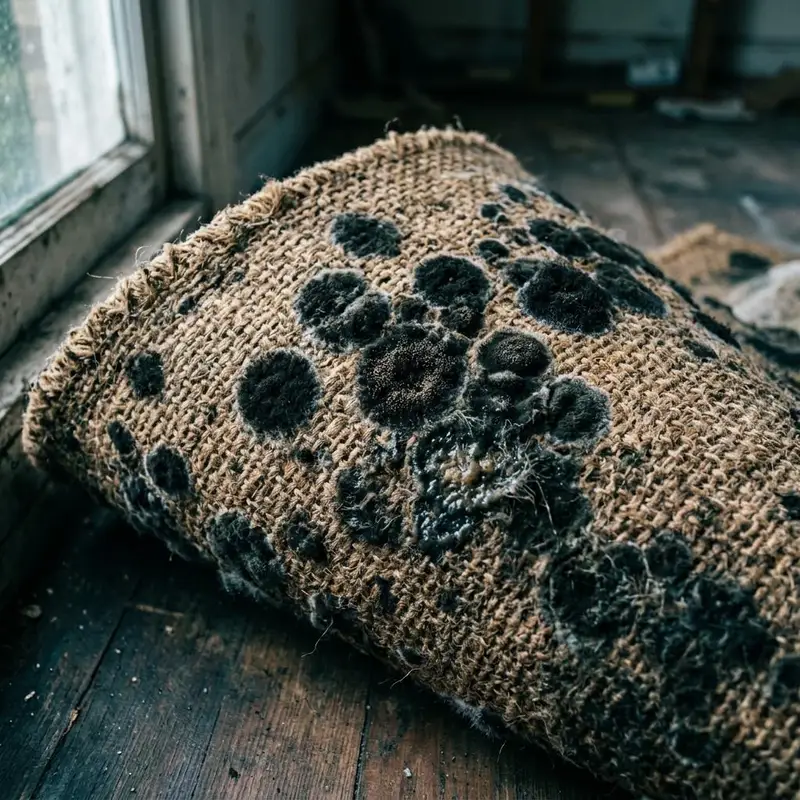
To truly prevent mold in carpet over the long term, combine moisture control with regular cleaning. Do not wait until you smell the musty odor. By then, the mold has already begun to grow. Stay ahead of it by monitoring humidity, drying up spills, and keeping the carpet clean. Your home will smell fresher, and you will avoid the headache of mold remediation later.
Mold in carpet is not inevitable. With the right approach to humidity control, prompt attention to leaks, and a solid cleaning routine, you can keep your carpets mold-free for years. The effort you put in now will save you time, money, and frustration down the road.
