How to Handle Storm Damage Roofing Repairs Like a Pro
When a severe thunderstorm rolls through Dacula, the first thing most homeowners check is their roof. It makes sense, the roof is your home's first line of defense against wind, rain, and flying debris. After a storm, you might notice a few missing shingles, a water stain on the ceiling, or worse, a steady drip into a bucket. Knowing how to assess and respond to storm damage roofing issues can save you time, money, and a lot of frustration.
I have been in the roofing trade for over a decade, and I have seen just about every kind of storm damage you can imagine. From hail that pocks asphalt shingles like a golf ball to wind that peels back entire sections of standing seam metal, each storm leaves its own signature. The key is not to panic. You can handle this step by step, and I will walk you through what I have learned from years of working on roofs in north Georgia.
First Things First: Stay Safe and Assess the Situation
Before you even look at the roof, make sure you and your family are safe. If there is a tree limb resting on the roof or power lines are down nearby, call the utility company and a professional tree service. Do not climb onto a wet, steep roof after a storm. I have seen too many homeowners take a fall because they thought they could just toss a tarp up there. It is not worth it.
From the ground, walk around your house and look for obvious signs of damage. Missing shingles, dented flashing, or debris sitting on the ridge are easy to spot. Use binoculars if you have them. Note any areas where the underlayment is exposed. Also check your gutters for granules from asphalt shingles, that is a telltale sign of hail damage. Inside the house, look for water stains on ceilings or walls, especially near vents, skylights, and chimneys. If you find a wet spot, put a bucket under it and mark the location so a roofer can find it later.
Quick Temporary Fixes While You Wait for a Pro
If the damage is minor and you can safely reach the roof from a ladder on a dry day, you might be able to slap on a temporary patch. A piece of roofing cement and a metal patch can seal a small hole for a few days. But for anything larger than a square foot, I recommend covering the damaged area with a heavy-duty tarp. Secure the tarp with 2x4s or cinder blocks, do not nail it into the roof deck because that can create more leaks. The goal is to keep water out until a roofer can make a permanent repair.
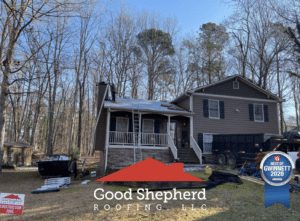
One thing I always tell homeowners is to document everything. Take photos and videos of the damage from multiple angles. If you have a drone, even better. This documentation will be critical when you file an insurance claim. Write down the date and time of the storm, and keep any receipts for materials you buy for temporary repairs. Your insurance company will want to see that you took reasonable steps to prevent further damage.
Understanding What Storm Damage Roofing Really Involves
Storm damage roofing is not just about replacing a few shingles. It often involves inspecting the entire roof system, the decking, underlayment, flashing, vents, and gutters. Water can travel sideways under shingles and find its way into your home days or weeks later. That is why a thorough inspection matters. A good roofer will look at the attic for signs of moisture, check the ventilation, and examine the flashing around chimneys and skylights.
I remember one job where the homeowner thought they just needed a few shingles replaced after a windstorm. When we pulled the damaged section, we found that the underlayment was rotted from years of hidden leaks. The storm just exposed a bigger problem. That kind of discovery is common, which is why it pays to have a professional assess the whole roof, not just the obvious damage.
If you are dealing with a complex claim, storm damage roofing can also mean coordinating with insurance adjusters. Many roofing companies now offer assistance with claims, helping you understand your policy and what is covered. For example, most homeowners insurance covers wind and hail damage but may exclude flood or neglect. Knowing the difference can save you from a nasty surprise.
When to Repair vs. When to Replace
Not every storm requires a full roof replacement. Here is a rough guide based on what I have seen in the field:

- If less than 30% of the roof is damaged and the underlying materials are sound, a repair is usually enough. That means replacing individual shingles or sections of flashing.
- If the damage covers more than 30% or if the underlayment is degraded, a full replacement might be more cost-effective in the long run. Patching a failing roof is like putting a bandage on a broken bone.
- If the roof is near the end of its expected lifespan (20, 30 years for asphalt shingles, 40, 50 for tile or metal), a storm is a good reason to replace it now rather than piecemeal.
Your roofer can help you weigh the costs. Some insurance policies will pay for a replacement if the damage is widespread, but they may only cover the depreciated value of an old roof. That can leave you with a big out-of-pocket expense. It is worth asking your adjuster about "replacement cost" versus "actual cash value" coverage before you sign anything.
Choosing a Roofer After a Storm
After a big storm, you will see a lot of roofers knocking on doors. Some are reputable, some are not. I recommend getting at least three written estimates. Look for a roofer who is licensed, insured, and has a physical address in your area. Ask for references and check online reviews. A good roofer will inspect your roof in person before giving a quote, anyone who quotes over the phone is likely guessing.
Also, be wary of roofers who ask for a large deposit upfront or pressure you to sign a contract on the spot. Reputable companies usually ask for a small deposit or payment upon completion. And never pay the full amount before the work is done. I have seen too many homeowners get burned by storm chasers who take the money and run.
Preparing for the Next Storm
Once your roof is repaired or replaced, think about prevention. Trim overhanging tree branches that could fall on the roof. Make sure your gutters are clean so water can flow away from the house. Check your attic for proper ventilation, a hot attic can warp shingles and make them more brittle. And keep your insurance policy up to date. A little maintenance now can save you from a much bigger headache later.
Connect with us on Facebook.
One thing I always do after a repair is take a walk around the house with the homeowner. I show them what was done, point out any areas that might need attention in the future, and answer their questions. That kind of transparency builds trust and helps the homeowner feel more confident about their roof's condition.
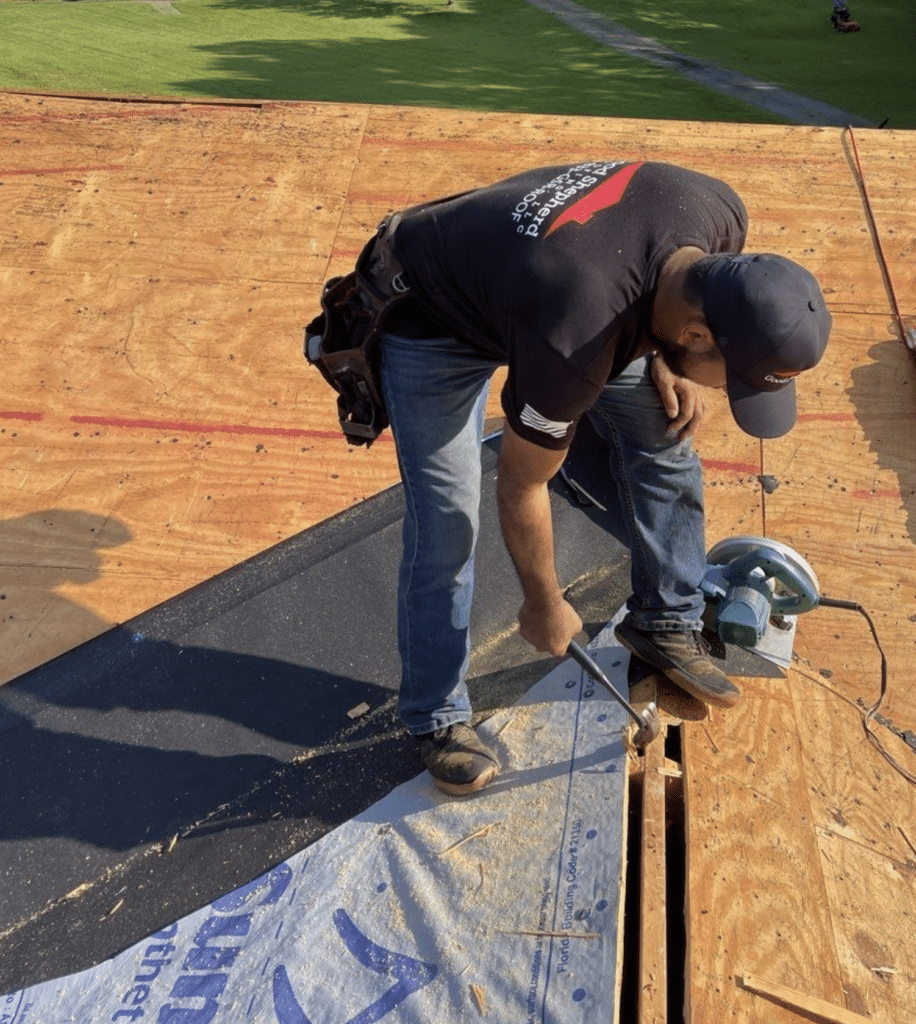
Storm damage roofing is never something you want to deal with, but it is a reality for anyone living in a region with severe weather. The key is to act quickly, document everything, and work with a professional who knows the local climate and building codes. With the right approach, you can get your roof back in shape and your home protected for years to come.
If you are in the Dacula area and need help with storm damage roofing, Good Shepherd Roofing at 2505 2nd Ave, Dacula, GA 30019, USA, call +1 833-477-7663. They are a roofing company in Dacula, GA providing roof repair, replacement, gutters, and insurance claim support for homeowners. They know the local weather patterns and can help you through the entire process from inspection to final repair.
