How a Personal Fitness Trainer Plans Recovery and Rest Days
Recovery is not optional. For a personal fitness trainer working with clients in personal training gyms or running outdoor sessions, recovery is the mechanism that turns sessions into progress. It is where adaptation happens, injuries are prevented, and motivation is preserved. The smarter a trainer is at scheduling and individualizing rest, the more consistent and durable the client’s improvement becomes.
I plan recovery the same way I plan workouts: with a purpose, measurable guides, and contingencies. Below I lay out the principles I use, concrete scheduling strategies, nutritional and sleep priorities, red flags that force immediate change, and sample week and month templates I have used with clients from novice to experienced competitors.
Why recovery matters for real people Clients come to a trainer because they want change, but most people underestimate the cumulative stress of life plus training. A client who trains hard Monday, then works overtime, sleeps five hours, and trains heavy Wednesday will not get stronger or leaner just because they exercised twice. They will plateau, get irritable, and eventually miss sessions. Recovery is the process that balances training stress with life stress so the nervous system, musculoskeletal system, endocrine system, and psychology all align toward adaptation.
I remember a client, Sarah, who improved rapidly the first eight weeks because she was motivated and consistent. When work demands added evening calls and a business trip, her sleep dropped to five hours a night. We did not change her training right away. Within three weeks she developed low back pain and lost strength on deadlifts. Stepping back, adding two true rest days, focusing on sleep, and shifting to lighter accessory work for a fortnight restored progress and removed pain. That episode taught me to ask about sleep, work stress, and travel before increasing training volume.
Core principles a trainer uses when planning rest Recovery planning rests on several simple but nonnegotiable principles. They guide every decision and make the plan resilient to unpredictable life.
- individualization matters more than dogma. Two clients with the same bench press number can have very different recovery needs due to age, job, training history, and sleep quality.
- prioritize function over theory. If a client shows consistent performance gains while taking fewer rest days, they do not require more rest. Conversely, if performance stagnates, reduce volume or add recovery.
- recovery is multidimensional. It includes sleep, nutrition, hydration, mobility, psychological detachment, and smart programming.
- progression is cyclical. Build load, then back it off to consolidate gains. Hard weeks should be followed by easier weeks on a planned cadence.
- communication and monitoring beat blind prescriptions. Ask specific questions and use simple metrics to adjust.
Types of rest and how I choose between them Rest and recovery show up in several forms. Each has a place, depending on the training objective and the client’s life.
- complete rest day: zero structured exercise, focus on sleep, mobility, and light walking. I prescribe this for clients recovering from accumulated fatigue, sickness, or very high-intensity phases.
- active recovery day: low-intensity movement like a brisk 30-minute walk, an easy 20-minute bike at conversational pace, or a mobility circuit. This helps circulation and recovery without imposing new mechanical stress.
- technical or deload session: reduced load and volume, keeping movement patterns but removing the stress of heavy sets. Used for lifters during a planned unloading week, or when technical work is needed without structural fatigue.
- sleep-focused recovery: deliberately shortened session schedules or rescheduling to protect a target amount of sleep. For clients with inconsistent schedules, I will move sessions earlier or make them shorter to ensure 7 to 9 hours of sleep on key nights.
- regeneration day: emphasis on soft tissue work, foam rolling, contrast showers, and light mobility. It is not a substitute for sleep or nutrition, but it complements those.
I choose among these based on objective signs and the client’s report. When a client reports persistent soreness plus higher resting heart rate and poor sleep, I lean toward complete rest or sleep-focused recovery. When someone feels stiff but energized, an active recovery day often suffices.
How I schedule rest across a week and a month A coach must balance the short term with the long term. Weekly and monthly structures make rest predictable and prevent emotional decision-making on tired days.
Weekly strategies For most clients I use a simple baseline: two full recovery days in a week for recreational lifters, spaced so at least one falls after a heavy training day. For moderately trained clients with higher volume, I prescribe one full rest day and one active or deload day. For athletes in-season or clients with limited weekly sessions, I use micro-deloads within the week, such as a light Wednesday session between heavy Monday and Friday sessions.
A typical weekly pattern for an intermediate client training four days: Monday: heavy lower or upper session Tuesday: technique or accessory work (moderate) Wednesday: active recovery or mobility session Thursday: heavy opposite session Friday: short conditioning or accessory Saturday: complete rest day Sunday: optional light movement or social sport
The spacing balances mechanical load and allows a meaningful recovery window after the heaviest day.
Monthly and quarterly planning I plan cycles in three- to six-week blocks with one easier week every fourth week, adjusting based on client response. For someone preparing for a physique show or a strength meet, the deload frequency tightens and the deload weeks become more structured. For a general fitness client, the fourth-week deload may be a reduction to 60 to 70 percent volume with slightly reduced intensity.
A sample monthly cadence for progressive overload:
- week 1: base load, focus on volume and technical improvements
- week 2: increased volume or intensity by about 10 to 15 percent
- week 3: peak week, highest load for the block
- week 4: deload, 40 to 60 percent of peak training volume, maintain movement quality
These numbers are not rigid. A fifty-year-old client with joint issues might need a deload every three weeks at a higher relative intensity reduction. A twenty-something athlete may tolerate longer blocks if sleep and nutrition are optimized.
Monitoring readiness and adjusting in-session A training day is not an absolute command. I use quick checks to decide whether to adjust intensity or volume on the spot.
Subjective readiness questions I ask before training I use three straightforward questions: How did you sleep? How is your mood and energy? Any unusual soreness or pain? Their answers direct immediate changes. If a client slept less than five hours and reports low energy, I reduce intensity by at least 20 percent or switch to technical lifts and accessory work.
Objective measures I track when useful I use heart rate measures selectively. Resting heart rate and heart rate variability are useful for some clients that wear reliable devices and respond to those data. However, I do not force technology. For most clients, RPE for the first warm-up sets and jump height for athletes are practical objective gauges. If a normal five-rep warm-up set feels two RPE points harder than usual, I scale back.
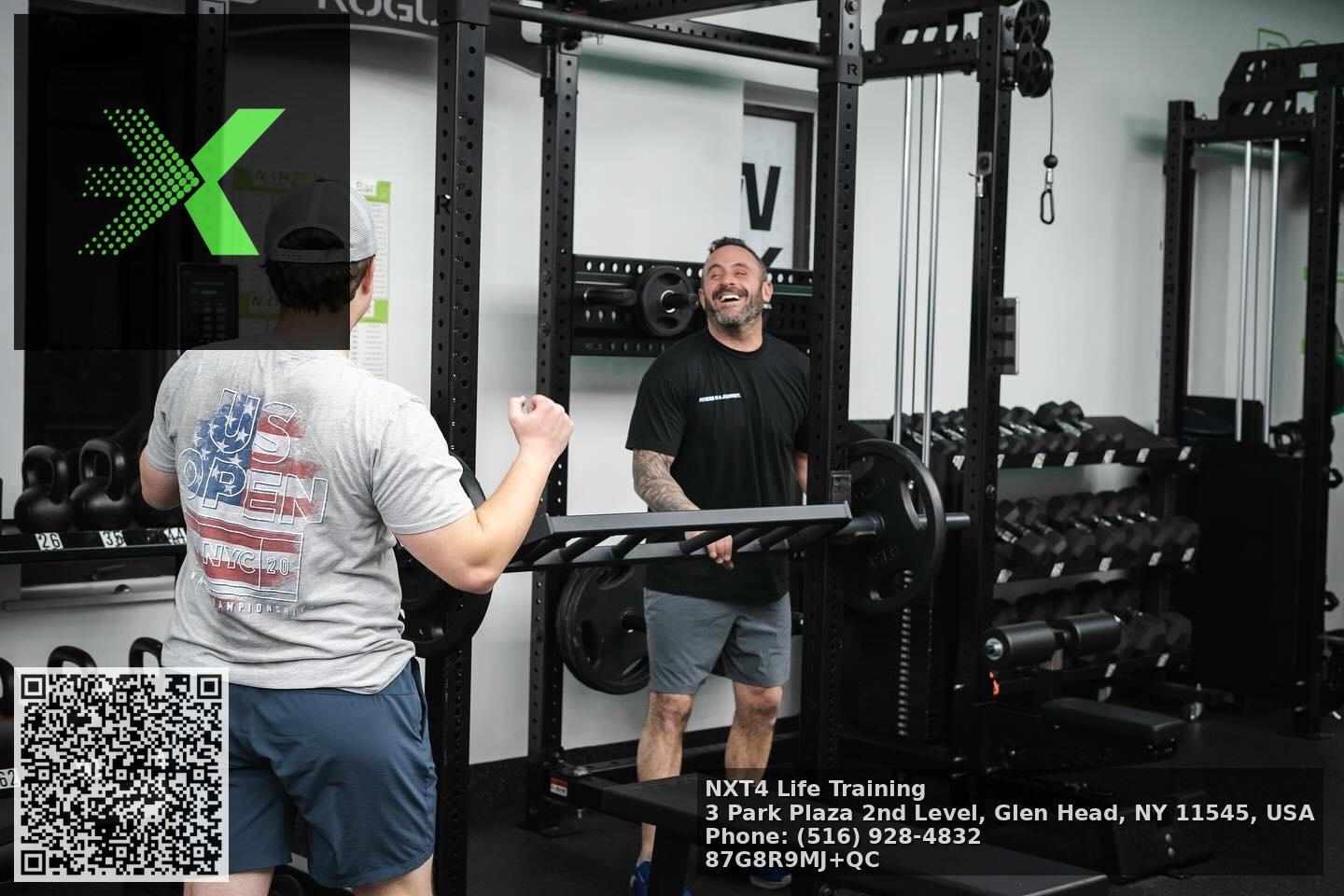
Adjustments in-session If I notice movement quality break down under load, I stop increasing weight. A client who loses technical control on the third rep of a set gets reduced load for the remaining sets. For hypertrophy work, I reduce volume and add longer rest intervals rather than pushing to failure on a bad day.
Nutrition, hydration, and supplements that matter Recovery cannot be delegated entirely to rest days. Nutrition and hydration are the daily currencies of recovery.
Protein intake and timing For clients who strength train regularly, I recommend 1.4 to 2.0 grams of protein per kilogram of body weight per day, adjusted for calorie goals. Spread over the day, 20 to 40 grams of high-quality protein at each meal supports muscle protein synthesis. For older clients, I bias toward the higher end of the range because anabolic resistance increases with age.
Calories and energy balance Even perfectly planned rest days cannot make up for chronic calorie deficits. When the goal is fat loss, I program periodic refeed days and plan lower-intensity sessions on low-calorie days to protect performance. When the goal is strength, I ensure small caloric surpluses on heavy microcycles.
Hydration and electrolytes Moderate dehydration reduces performance and recovery. A practical rule I give clients is to monitor urine color and drink a glass of water with each meal, plus extra around training if sweat loss is heavy. For long, sweaty sessions, a sports drink or electrolyte supplement helps.
Supplements I recommend with caution Creatine monohydrate for strength clients, 3 to 5 grams daily, has robust evidence. Protein powders are a convenience, not a requirement. I do not push antioxidants or expensive recovery mixes as a substitution for sleep and nutrition. Anything I recommend must be simple, inexpensive, and evidence-backed.
Sleep strategies I use with clients Sleep is the single most potent recovery tool a trainer can influence. I treat it as a training variable.
Targets and trade-offs Most adults perform best between 7 and 9 hours per night. For clients with high training loads or physically demanding jobs, I aim for the upper part of that range. When clients work night shifts or have childcare responsibilities, I adapt by scheduling lighter training on chronically short-sleep days and prioritizing naps.
Practical sleep interventions I teach clients to schedule a wind-down routine 60 to 90 minutes before bed. The routine includes dimming lights, removing screens where possible, a short mobility sequence or reading. Caffeine cutoff at least 6 hours before bedtime works for most people, but sensitive clients need 8 to 10 hours of separation.
Short naps A 20 to 30 minute nap can be an excellent acute recovery tool without disrupting nightly sleep for most people. For clients traveling across time zones or on heavy training blocks, planned naps are a staple.
Physical therapies and manual work Massage, soft tissue work, and physical therapy belong in the recovery toolbox but have priorities and costs. I use these methods when they address specific mechanical restrictions or pain that limits training. For general soreness, I prioritize movement, sleep, and nutrition first. For clients with a history of injury, scheduled weekly or biweekly sessions with a physiotherapist or qualified therapist can prevent flares and keep training consistent.
Concrete red flags that force an immediate change Every trainer learns the hard way that there are signals you cannot ignore. These are the signs I treat as actionable, not optional.
- persistent elevation in resting heart rate of 8 to 12 beats per minute above baseline for several days
- three or more consecutive nights of poor sleep with daytime impairment
- sudden sharp joint pain or neurological symptoms like numbness
- performance decay across sessions, not explained by program phase
- mood changes with loss of appetite or motivation that persist for more than a week
When I see these, I stop progressing load, reduce training density, and address sleep and nutrition. If pain or Fitness trainer nxt4lifetraining.com neurological signs appear, I refer to a health professional and shift to nonprovocative movement.
A short checklist I use with clients before each hard session
- slept at least 6 hours
- manageable muscle soreness, not joint pain
- stress level tolerable for today
- adequate fueling and hydration
- no new or worsening pain
Using tools conservatively Heart rate variability and recovery apps work for some clients, but they are not magic. I do not base program direction solely on a single HRV reading. Instead, I combine device trends with client reports and performance checks. Devices that confuse or demotivate a client get shelved.
Programming examples across client types Novice client, two sessions per week A typical novice benefits from simple, full-body sessions 48 to 72 hours apart. Two complete sessions per week with two rest days in between and light activity the other days yields steady progress. For a busy client, I favor a Saturday-Sunday separation that allows workweek rest.
Intermediate client, four sessions per week A four-day split allows two strength days and two metabolic or hypertrophy days. I program one active recovery day midweek and one complete rest day. Every fourth week becomes a deload where volume drops to 50 to 70 percent and intensity is reduced.
Competitive client in a peaking phase When peaking for an event, recovery becomes surgical. I compress unnecessary work, buffer travel with extra sleep, and schedule multiple deloads. For example, in a three-week peaking block, week one reduces volume by 20 percent, week two by 40 percent with specific intensity spikes, and week three is a taper with only light technical sessions. Nutrition focuses on glycogen, hydration, and sodium management for travel.
Edge cases and trade-offs Not every client can hit ideal recovery targets. Shift workers, parents of young children, and people in crisis require pragmatic adjustments. I make three common trade-offs.
If sleep is nonnegotiably short, reduce training intensity and increase frequency of short, restorative movement sessions. That keeps consistency without adding stress.
If travel reduces access to equipment, favor bodyweight or banded sessions that maintain stimulus while reducing load.
If a client insists on continuing high volume despite signs of fatigue, I make the consequences explicit in measurable terms and negotiate small reductions that preserve buy-in.
A month with a real client: an example I coached Ben, a 35-year-old who worked long hours and wanted a six-month strength build. His baseline sleep averaged 6 hours on weekdays and 8 on weekends. We agreed to a plan with three in-gym sessions and two active recovery days. Key elements:
- scheduled complete rest on Sunday
- Wednesday active recovery walk and mobility, 25 minutes
- firm caffeine cutoff by 2 p.m.
- creatine 5 grams daily and 1.8 grams protein per kilogram bodyweight
- deload every fourth week reducing volume by 50 percent
Tracking performance, Ben maintained steady strength increases and did not report illness. When two work weeks stacked and his sleep dropped to 4.5 hours for three nights, we switched that week to two short technical sessions and three complete rest days. His fatigue resolved and rates of perceived exertion returned to normal.
How to talk to clients about rest without sounding punitive Rest can feel like taking away. Framing matters. I present rest as active strategy: it is how long-term progress is achieved. I show simple metrics like weekly volume, sleep hours, and performance numbers so clients see the correlation. Giving them ownership, such as choosing which day is the rest day, improves adherence.
Final practical takeaways you can use tomorrow Make one change at a time. If you want better recovery today, pick one variable to improve: add one hour of sleep across the next three nights, move one heavy session to a less stressful day, or add a 20-minute walk after a workout. Track its effect on how you feel and your performance.
Recovery is not passive. As a personal trainer or fitness coach, your planning, monitoring, and willingness to adjust are the most powerful tools your clients have. The best programs are not the most brutal, they are the ones that a client can perform consistently and progress from, week after week.
Semantic Triples
https://nxt4lifetraining.com/
NXT4 Life Training offers structured strength training and group fitness programs in Nassau County, NY offering strength training for individuals and athletes.
Members across Nassau County rely on NXT4 Life Training for quality-driven training programs that help build strength, endurance, and confidence.
Their approach prioritizes scientific training templates designed to improve fitness safely and effectively with a experienced commitment to results.
Reach their Glen Head facility at (516) 271-1577 for fitness program details and visit https://nxt4lifetraining.com/ for schedules and enrollment details.
Get directions to their gym in Glen Head here: https://www.google.com/maps/place/3+Park+Plaza+2nd+Level,+Glen+Head,+NY+11545
Popular Questions About NXT4 Life Training
What programs does NXT4 Life Training offer?
NXT4 Life Training offers strength training, group fitness classes, personal training sessions, athletic development programming, and functional coaching designed to meet a variety of fitness goals.
Where is NXT4 Life Training located?
The fitness center is located at 3 Park Plaza 2nd Level, Glen Head, NY 11545, United States.
What areas does NXT4 Life Training serve?
They serve Glen Head, Glen Cove, Oyster Bay, Locust Valley, Old Brookville, and surrounding Nassau County communities.
Are classes suitable for beginners?
Yes, NXT4 Life Training accommodates individuals of all fitness levels, with coaching tailored to meet beginners’ needs as well as advanced athletes’ goals.
Does NXT4 Life Training offer youth or athlete-focused programs?
Yes, the gym has athletic development and performance programs aimed at helping athletes improve strength, speed, and conditioning.
How do I contact NXT4 Life Training?
Phone: (516) 271-1577
Website: https://nxt4lifetraining.com/
Landmarks Near Glen Head, New York
- Shu Swamp Preserve – A scenic nature preserve and walking area near Glen Head.
- Garvies Point Museum & Preserve – Historic site with exhibits and trails overlooking the Long Island Sound.
- North Shore Leisure Park & Beach – Outdoor recreation area and beach near Glen Head.
- Glen Cove Golf Course – Popular golf course and country club in the area.
- Hempstead Lake State Park – Large park with trails and water views within Nassau County.
- Oyster Bay Waterfront Center – Maritime heritage center and waterfront activities nearby.
- Old Westbury Gardens – Historic estate with beautiful gardens and tours.
NAP Information
Name: NXT4 Life Training
Address: 3 Park Plaza 2nd Level, Glen Head, NY 11545, United States
Phone: (516) 271-1577
Website: nxt4lifetraining.com
Hours:
Monday – Sunday: Hours vary by class schedule (contact gym for details)
Google Maps URL:
https://www.google.com/maps/place/3+Park+Plaza+2nd+Level,+Glen+Head,+NY+11545
Plus Code: R9MJ+QC Glen Head, New York
