Dentist in Oxnard: Oral Hygiene Tips for Braces Wearers
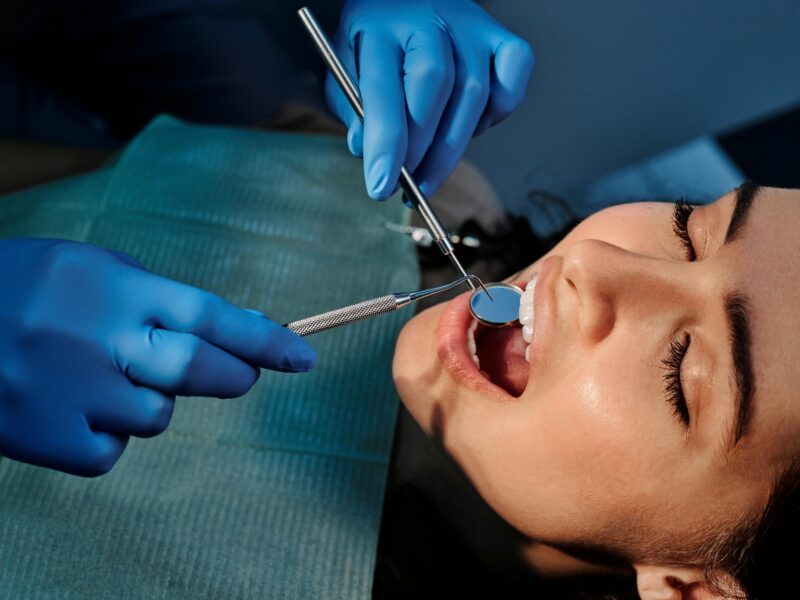
Braces do more than straighten teeth. They create little shelves and corners that love to trap food and plaque. The difference between a smooth orthodontic journey and a frustrating one often comes down to daily habits. In a coastal city like Oxnard where sand, salt, and sun can dry the mouth faster than expected, the basics matter even more: proper brushing, precision flossing, thoughtful snack choices, and a smart plan for dealing with soreness or broken hardware.
I have watched patients succeed with braces across every age group. Teens who play water polo, adults balancing commutes on the 101, grandparents aligning a bite to save worn molars. The ones who finish with healthy, bright enamel follow a simple system and adjust it to their reality. Here is how to build that system and keep it going, from the first bracket to the last retainer check.
What changes when brackets go on
Before braces, plaque accumulates along the gumline and between teeth. With brackets and wires, plaque gains dozens of new hiding places: around the edges of brackets, beneath the wire, in the little triangle between the bracket and the gum. If plaque sits there for days, minerals leach from the enamel. The earliest sign is a chalky white halo around the bracket. That spot means the tooth is starting to demineralize. It is reversible early on, but it turns into a permanent scar if ignored.
Braces also alter how forces spread on teeth during chewing. Stiff, sticky, or overly crunchy foods can pop a bracket or bend a wire. Once a wire bends, a tooth can drift the wrong way for weeks, which delays treatment and can cause soreness. A dependable daily routine and a bit of food strategy keep treatment on track and prevent those little emergencies that always pick the worst timing.
A daily rhythm that actually works
Most people do fine when their routine is specific and not too long. Here is a simple pattern that fits school days, double shifts, and everything in between:
- After breakfast: Rinse, then brush for two full minutes using a soft toothbrush angled both at the gumline and against bracket edges. Use an interdental brush under the wire to sweep out soft food.
- Midday: Rinse after lunch. Use a quick interdental brush or a water flosser if you have access. If you cannot, swish with water for 20 seconds.
- Night: Floss every space with a floss threader or orthodontic floss. Brush again for two minutes. Finish with a fluoride rinse for 60 seconds. Do not eat or drink afterward.
- Weekly: Check for tender, puffy gums. If floss bleeds in the same spot more than three days, you are missing plaque there. Slow down and adjust your angle.
- Ortho days: Bring a portable kit. If wires are clipped or adjusted, check for sharp ends and use wax before you leave the office.
These steps are realistic and powerful. The morning clean removes overnight plaque, the midday rinse and sweep prevent sugary acids from soaking your enamel all afternoon, and the nighttime routine does the hard cleanup and replenishes fluoride when saliva slows during sleep.
Tools that save time, frustration, and enamel
A plain soft manual brush can get the job done. That said, a few tools make life easier and reduce the chance of white spot lesions.
An orthodontic toothbrush with a V trim lets bristles straddle the brackets, but any soft brush works if you turn the bristles to hit both the gumline and the bracket edges. Many patients in Oxnard like a compact electric brush with a pressure sensor. The gentle oscillation scrubs around brackets without scouring the gumline. For electric brushes, use the sensitive or low mode. Scrubbing harder does not clean better, it scrapes gums and can push them back over months.
Interdental brushes, the tiny bottle brushes, are the unsung heroes. Slide them under the wire at the front and back of each bracket. Choose a size that slips easily through. If it bends or snags hard, step down a size. I tell teens to keep one in their backpack next to a phone charger. Use it after chips, granola, or tacos. Two seconds per tooth, and the difference is real.
Floss threaders or orthodontic floss with built-in stiff ends let you snake floss under the wire. For arthritic fingers or anyone who finds threaders fussy, a water flosser is a solid alternative. Set it to a low or medium setting and trace the gumline, especially between teeth and around molars where gunk hides. You can use both floss and a water flosser if your gums bleed easily, but if you choose only one, be consistent.
Wax is the bandage of braces. If a wire or bracket rubs, dry the spot with a tissue, pinch a pea-sized bit of wax, and press it over the metal. Replace as needed. This trick prevents mouth ulcers that can derail good brushing for a week.
Lastly, use a fluoride toothpaste, at least 1000 to 1500 ppm. For higher risk cases, a dentist in Oxnard might recommend a 5000 ppm prescription paste at night. That extra fluoride becomes a safety net for enamel near brackets.
How to brush so plaque does not stand a chance
Technique beats strength. Consider this pattern:
Start with water to loosen debris. If you have eaten something sticky like caramel corn at the harbor, use an interdental brush first. Then apply a pea-sized dab of fluoride toothpaste.
Angle the bristles 45 degrees to the gumline. Wiggle the brush so the tips massage under the edge of the gum. Count five gentle strokes per tooth. Then roll the brush down to sweep away plaque. Next, tilt the brush to face the bracket edge. Short, fast strokes around the top and bottom of the bracket remove the bacterial film that causes white spots. Move tooth by tooth. Do not rush the lower front teeth, they calcify tartar the fastest, especially with Oxnard’s hard water.
Finish by brushing the inside surfaces and chewing surfaces, and brush your tongue lightly. Spit the foam, and resist the urge to rinse right away. Let the fluoride sit for a minute. If you need to rinse, use just a sip of water.
To check your technique, use disclosing tablets once a week. The dye stains plaque bright pink or purple. If the same areas stain each time, adjust the angle or slow down. In teenagers, the trickiest spots are the upper canines and the lower molars near the cheeks.
Flossing without the fight
Threading floss under a wire feels clumsy the first week. It becomes automatic by week two. Slide the threader under the wire, pull the floss through, wrap it in a C shape around one tooth, and scrub up and down under the gumline. Then wrap around the neighbor tooth and repeat. Do not snap the floss. It should squeak when it is clean. That squeak is your feedback.
Water flossers are helpful for people with tight schedules, braces on both arches, or sensitive gums. Aim the tip at a 90 degree angle to the tooth, trace along the gumline, and pause between teeth. Start on low pressure to avoid splatter. Add a capful of alcohol-free mouthwash to the tank for a fresh finish if you like, but water alone is fine.
If you floss four nights a week consistently, gum health will usually improve in two to three weeks. The bleeding you see early on is not a sign to stop. It is a sign that the gums are inflamed and need better cleaning. The goal is pink, firm tissue that does not bleed when you brush or bite into an apple.
Fluoride as insurance, not a miracle
Fluoride hardens enamel and helps reverse the earliest white spots. It does not replace brushing. Think of it as a sealant that buys you time if you miss a speck of plaque. Daily use of a fluoride toothpaste, plus a nightly 0.05 percent sodium fluoride rinse for high risk wearers, covers most situations. If you have a history of cavities, dry mouth from allergy meds, or you sip soda often, ask your family dentist Oxnard team whether a prescription fluoride paste suits you during treatment.
On the other hand, skip abrasive whitening powders and charcoal pastes while you wear braces. They can scratch enamel and are hard to rinse clean from bracket edges. If whitening matters to you, a cosmetic dentist Oxnard office can plan safe whitening after the braces come off, sometimes with a short in-office treatment followed by at-home trays to even everything out.
Eating smart without feeling punished
You do not need to give up taste. You need to adjust texture. Sticky candies, hard nuts, ice, and thick crusts can shear off brackets. Cut raw apples into thin slices, not big bites. Tear crusty breads into small pieces and chew with molars. Enjoy corn off the cob rather than on. Swap gummy bears for chocolate that melts away clean.
Oxnard has plenty of braces-friendly options. Soft fish tacos, ripe strawberries, black bean bowls, yogurt with sliced bananas, and steamed veggies all work if you rinse or brush after. Watch for granola that cements into brackets. If you love citrus, rinse with water afterward. Acid softens enamel briefly, so wait 30 minutes before brushing to avoid scrubbing softened surfaces.
For sports practices and beach days, water beats sports drinks. If you need electrolytes, drink them in one sitting rather than sipping for hours. The longer sugar or acid bathes the teeth, the higher the risk of white spots around the brackets.
Handling soreness, poking wires, and other small storms
Tightening days can bring tenderness. Over-the-counter pain relievers help, taken as directed with food or milk. Cold foods like smoothies or refrigerated applesauce soothe cheeks and lips. Wax stops a bracket from rubbing a sore into an ulcer. If an ulcer forms, dab with a topical anesthetic before brushing so you can clean thoroughly without flinching.
For a wire that has slipped and pokes the cheek, use the eraser end best dentist Oxnard of a pencil to nudge it back, then apply wax. If a bracket breaks but is still on the wire, it will slide. Keep it comfortable with wax and call your orthodontist. Do not try to cut a wire at home unless advised. Tiny cuts heal fast in the mouth, but a clipped wire fragment can be a hazard if it gets loose.
If your retainer wire on the back of your front teeth comes off after braces, avoid biting into hard foods and schedule a repair quickly. Those wires are glued to keep alignment. A loose one can trap plaque, and teeth can shift in weeks.
Sports, instruments, and everyday life
Mouthguards matter for contact sports. Ask for an orthodontic mouthguard with space for brackets. Off-the-shelf boil and bite guards often fit poorly over braces and can stick to brackets. During water sports off Silver Strand or Mandalay, wear the guard just as you would on the field. A small bump from a surfboard fin can slice a lip against a bracket.
For brass and woodwind players, wax helps cushion brackets until lips toughen. Most musicians adapt within a week. Take shorter practice sessions during the first few days after an adjustment to avoid fatigue and irritations that derail brushing.
What your dentist checks during orthodontic care
While the orthodontist guides tooth movement, your general Dentist checks for cavities, gum health, and early white spots. In Oxnard, many orthodontists and general practices coordinate closely so you do not bounce between offices with gaps in care. During a cleaning, the hygienist uses scalers designed to work around brackets and removes tartar that you cannot reach at home. X-rays may be taken to monitor roots and check for decay between teeth that can hide beneath wires.
If you are searching for care, look for a Dentist Oxnard practice that shares notes with your orthodontist, uses magnification loupes during cleanings, and offers longer hygiene appointments for braces wearers. That extra 10 to 15 minutes lets the team work methodically around hardware. The best dentist Oxnard for your situation is one who takes the time to explain what they see, shows you the spots you are missing, and gives you a plan that fits your schedule, not an idealized blueprint.
For teenagers, adults, and edge cases
Teenagers often fight time pressure and snacks. Set up success by keeping ready to eat options in the fridge and a travel brush in the bag. Many teens do better with a water flosser parked by a gaming console or vanity. If it is visible and easy, they use it.
Adults bring different challenges. Coffee, wine, and work meetings can stack up into long windows without brushing. Swish with water after each cup, and keep an interdental brush in the car console. If you tend toward dry mouth from antihistamines during Oxnard’s windy spring, suck on xylitol mints to stimulate saliva. Saliva neutralizes acids and delivers calcium and phosphate to enamel. Aim for 5 to 10 grams of xylitol per day split into small doses.
Anyone with gum recession or a history of periodontal disease should plan a closer recall schedule. Three month cleanings prevent deep tartar from sneaking under the gums while brackets make flossing trickier. A family dentist Oxnard office can coordinate this schedule with ortho adjustments so you are not in a dental chair every week.
A travel kit that prevents backsliding
Keep a compact kit in your backpack, gym bag, or glove box. It makes the difference on long days.
- Compact soft toothbrush with a vented cap
- Travel size fluoride toothpaste and a few floss threaders
- Interdental brush in your ideal size
- A strip of orthodontic wax
- Small bottle or tabs of alcohol-free fluoride rinse
If you forget the kit, improvise. Rinse with water for 20 seconds, chew sugar-free gum with xylitol, and use a clean finger to gently sweep the bracket edges. It is not perfect, but it interrupts bacterial growth until you can brush.
Avoiding white spots around brackets
Those chalky halos tell a story. Plaque sat near the bracket and dissolved minerals faster than your saliva could replace them. Prevention is simple: mechanical cleaning and fluoride.
Focus on the band of enamel directly above and below the bracket. That is where most white spots appear. Use your interdental brush right under the wire after anything sweet or sticky. Nightly fluoride becomes non-negotiable if you see even a hint of chalkiness. Some dentists apply a varnish with high fluoride during cleanings for patients at higher risk. It is quick, clear, and helps enamel heal.
If white spots persist after braces come off, a cosmetic dentist Oxnard clinician can assess options. Low abrasion microabrasion and resin infiltration can blend and strengthen early lesions without drilling. Patience is key. Many spots fade 30 to 50 percent over six months with careful hygiene and at-home remineralizing agents that include calcium and phosphate.
Little habits that add up to big results
Sip water through the day. It washes away acids and keeps lips and cheeks resilient, which reduces rubbing against brackets. Chew sugar-free gum after meals if your orthodontist approves. It increases saliva and dislodges soft debris. If you wear rubber bands, change them after meals so you do not trap food under a stretched band all afternoon.
Set timers. Two minutes feels long until you get used to it. Music helps teens stick with brushing. Adults often like a simple countdown app or the built-in timer on an electric brush. Replace brush heads every three months or sooner if bristles splay. Splayed bristles do not reach under the wire well.
When to call your dentist or orthodontist
You do not need to power through every problem. Call if you notice persistent bleeding in one area after a week of careful cleaning, a bracket that spins or slides, a wire that catches your cheek despite wax, swelling that throbs, or a bad taste near a tooth that does not resolve. Low grade mouth sores from friction are common and manageable, but a deep ulcer that grows, or any sore accompanied by fever, deserves attention.
If a bracket pops off on a front tooth the day before senior photos or an important meeting, explain the timing. Many Oxnard offices keep short slots for quick fixes and emergencies. Good communication prevents small issues from turning into delays or infections.
Life after the last wire: protecting the finish
When the brackets come off, the teeth feel glassy and smooth. This is the moment to lock in gains. Wear retainers as instructed. They are not a suggestion. Bone and ligaments need time to stabilize after months of movement. Clean retainers daily with a soft brush and cool water. Hot water warps them.
Ask for a polish and, if desired, a measured whitening plan. Years of coffee or tea show up more once the hardware is gone. A cosmetically focused plan avoids over bleaching translucent edges or irritating recently freed gums. Regular cleanings, ideally two or three times a year depending on your gum health, maintain that just finished look.
Finding the right support in Oxnard
The coastal climate, busy family calendars, and a rich local food scene shape oral habits here. Look for a Dentist Oxnard practice that takes those realities seriously and builds a routine you will actually follow. The best dentist Oxnard for braces support will not overwhelm you with tools. They will identify one or two weak spots, demonstrate a fix, and check back in a month to see if it stuck. A family dentist Oxnard office often coordinates siblings and parents on the same day, which streamlines hygiene and keeps everyone accountable.
If you anticipate needing smile touch-ups after braces, a cosmetic dentist Oxnard clinician can discuss timing for whitening, minor edge bonding, or reshaping to perfect proportion. Done thoughtfully, these are light touches, not reinventions.
Strong enamel and healthy gums are not the byproducts of luck. They come from manageable daily effort, feedback that teaches you where to aim your brush, and a dental team that knows when to step in, when to cheer, and when to adjust the plan. Braces are a season. Set up your system, give yourself a week to find the rhythm, and let small wins stack. When the brackets come off, you will have more than straight teeth. You will have a smile that looks and feels healthy, backed by habits you can carry for a lifetime.
Omni Dental Specialty
Address: 1690 E Gonzales Rd, Oxnard, CA 93036
Phone number: +18053666000
FAQ About Dentist Oxnard
How much do dentists make in Oxnard CA?
The average salary for a dentist is $249,857 per year in Oxnard, CA.
How much does dental cost in the USA?
Preventive dental care may include basic cleaning and polishing, which can cost up to $109. Basic care may include fillings, which can cost up to $217 for a resin-based composite filling. Major dental procedures may include root canals , dentures , even dental implants , which can cost thousands of dollars.
What is the 50-40-30 rule in dentistry?
In dentistry, the 50-40-30 rule is primarily a cosmetic smile design guideline used by dentists and orthodontists to craft natural-looking, symmetrical, and balanced upper front teeth.
