Bed Bug Control Plan: From Inspection to Elimination
Bed bugs upend routines in quiet, insidious ways. You rarely see them parade across a kitchen counter the way ants do. They tuck into seams, switch plates, and the folds of a box spring, then feed in the hours when most people are asleep. A solid plan does two things at once. It finds the insects where they live, and it keeps them from rebounding after treatment. That is the heart of effective bed bug control.
Why bed bugs require a different playbook
Plenty of homeowners call after trying to treat bed bugs as if they were spiders or fleas. The biology is different. Bed bugs feed exclusively on blood, not crumbs or moisture. They survive astonishingly long between meals, often six weeks or more for adults. The eggs resist many contact insecticides. And a female can lay a handful of eggs every day once she starts, seeding fresh pockets while the original cluster seems to shrink.
They also show strong harboring behavior. They gravitate to tight cracks that touch their bodies on multiple sides. The seam binding of a mattress is textbook, but we find as many in the hollow legs of a metal bed frame or under the fabric dust cover on a box spring. In heavy infestations, they migrate. We have followed them behind baseboards, into the felt lining of dresser drawers, and through shared wall voids in apartments.
The control plan has to respect all of that. Quick sprays without inspection tend to miss eggs and inaccessible harborages. Throwing out a mattress can make things worse if the rest of the room still holds dozens of bugs that will repopulate the replacement.
Confirming the problem before lifting a tool
A reliable diagnosis sets the tone. It helps avoid wasted effort and gives you a baseline for measuring progress. Bed bugs leave several signatures. Fecal spotting looks like pepper smears that wick into fabric. Cast skins collect under the lip of a headboard and in drawer corners. Fresh bites are trickier, since skin reactions vary wildly, from nothing at all to large welts. Professionals weigh all the evidence together.
We have been called to jobs where carpet beetle larvae were blamed for bites. They do not bite, but the hairs on their shed skins can irritate. Spider control or ant control protocols do not translate here. Step one is always the right identification, and a small flashlight and a careful look will do more for you than any aerosol can.
The inspection sequence that actually finds them
Time matters more than speed. A room-by-room approach reduces miss rates. Start with the bed and whatever someone sits on for more than twenty minutes a day. That usually means a couch or an office chair in a small apartment. Work outward from the place where people sleep.
A focused inspection typically runs one to two hours in a moderate infestation. It takes longer in cluttered or multi-room scenarios. Tools are simple and honest. A good LED light reveals fecal spotting and eggs. A thin crevice tool or an old library card helps lift edges without tearing. Alcohol wipes are useful to test suspected fecal spots. They smear like ink if genuine. A hand steamer can double as a probe during inspection, flushing live insects from seams so you can count stages and gauge severity.
If you find activity in a bedroom, check the adjacent room, the next sleeping area, and shared walls. In condominiums and row homes, we investigate the unit on each side if the building layout suggests it. Bed bugs follow utility penetrations. An outlet cover removed with the breaker off often tells a story.
What Domination Extermination looks for during inspection
At Domination Extermination, we map evidence, not just sightings. The pattern matters. Heavy fecal spotting on the wall behind a headboard and zero signs on a nearby loveseat points to a primary harbor near the bed, with limited spread. In one Mantua Township job, we documented eggs along the headboard cleats and small aggregations in the hollow tubular frame. The living room showed only a single cast skin under a throw pillow. Our treatment emphasized the bed assembly and adjoining baseboards. It saved the client from a whole-home upheaval that would not have improved outcomes.
We also check the rhythm of the home. Day sleepers, shift workers, and infants change the timing of feedings. That can move activity to a nursery glider or a specific couch spot where a tired parent nods off. Plans that miss those details tend to underperform because the active harborages never get touched.
Preparing without turning the place upside down
Preparation is a balance. Bagging every possession in a panic creates hiding places, then spreads bugs to cars and storage bins. We prioritize textiles that touch the body and items stored under or next to sleeping furniture. Clothing, bedding, and soft toys are worth laundering. Books, paperwork, and framed art often stay in place unless we see direct evidence.
Communicate with everyone ant control dominationextermination.com in the dwelling. In multifamily housing, coordinating inspection with neighbors can prevent the whack-a-mole pattern that frustrates tenants and managers alike. Mark treated rooms with painter’s tape notes. Keep the plan visible and simple.
Here is a short, practical laundry protocol we give residents when they handle textiles during active bed bug control:
- Sort in the treatment room, not in a different space. That reduces hitchhikers.
- Carry items in dissolvable laundry bags or sealed contractor bags. Open directly into the washer.
- Use the hottest wash cycle the fabric tolerates, then at least 30 minutes on high heat in the dryer.
- Move clean items into new, sealable totes or fresh bags, then store away from beds and sofas.
- Discard used bags outside immediately so they do not become harborages.
Choosing the right treatment path
The treatment mix depends on several things: the severity, tolerance for heat and chemical products, occupancy by infants or immunocompromised residents, and the structure itself. A third-floor walk-up with electric baseboard heat allows different options than a century-old duplex with plaster walls and shared steam heat.
Heat can be a silver bullet when you can reach all the structural voids, move air well, and monitor temperatures precisely. Full-space heat treatments raise room temperatures to a lethal range, typically 120 to 140 degrees Fahrenheit, and hold them for several hours. The catch is even distribution. Cold spots inside a piled closet or a rolled rug can let pockets of eggs survive. In apartments with sprinkler systems, heat poses risks to heads and pipes. In those cases, a bed-focused heat approach combined with targeted residual insecticides often outperforms an all-or-nothing strategy.
Chemical tools are not magic, but they work when applied to the right places in the right formulations. We avoid broadcast spraying mattresses. Instead, we use labeled products for fabric seams and encase afterwards. Crack-and-crevice applications deliver the active ingredient into voids where fecal spotting shows consistent traffic. Silica and diatomaceous earth dusts work in wall voids, behind outlet covers with power secured, and under baseboards. Insect growth regulators can help flatten a rebound curve, but they do not stand alone.
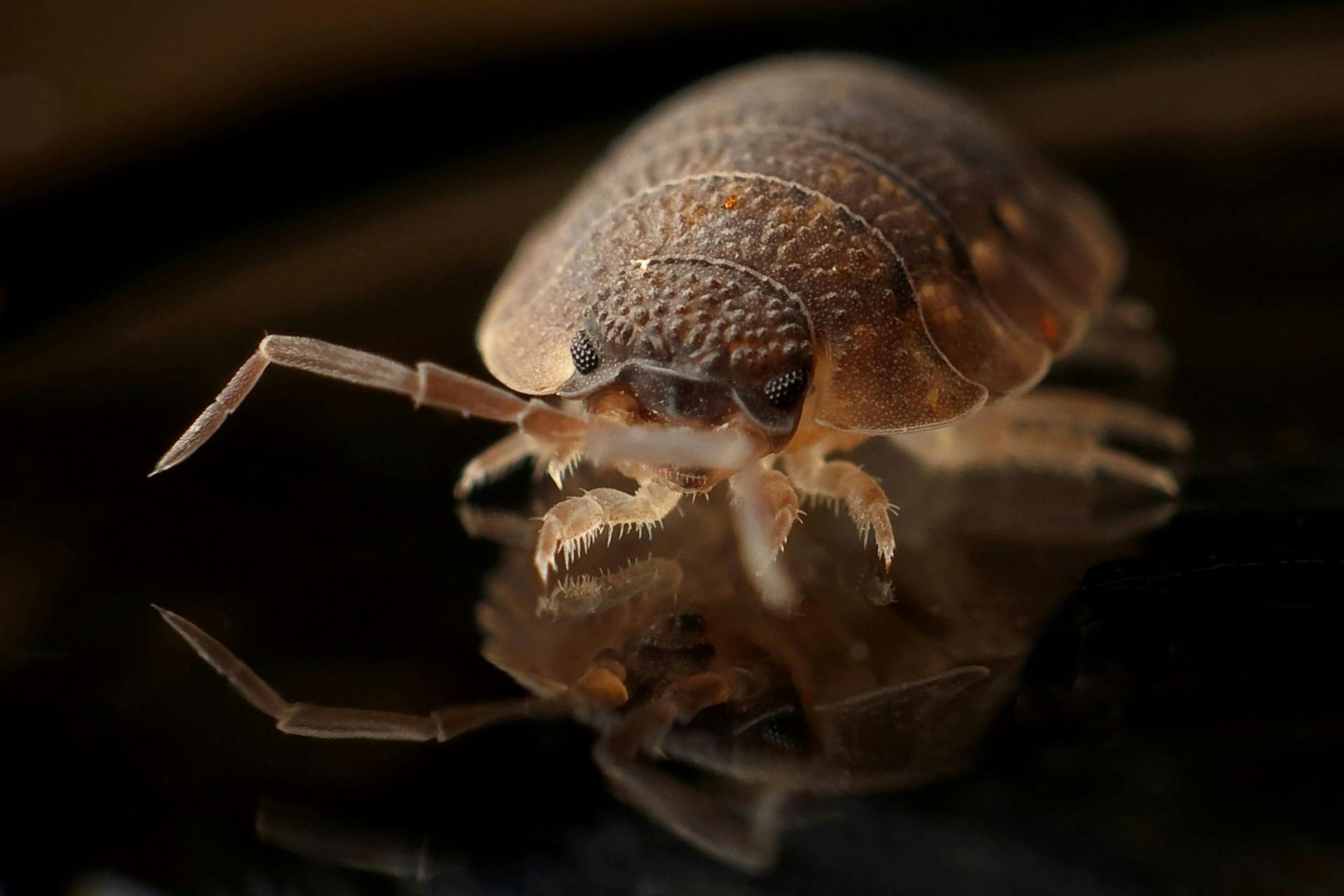
Steam meets a lot of needs in a single pass. Dry vapor units with good tip temperatures penetrate fabric and kill eggs on contact. We teach clients that steam is slow by design. You crawl the tip along seams at a measured pace. Rushing defeats the purpose.
Encasements convert complex mattresses and box springs into smooth, inspectable surfaces. Choose zippered encasements that are bite-proof and listed for bed bug control. Tape zipper ends with a small piece of cloth tape to block gaps. Encasements stay on for 12 to 18 months. That is not overkill. Adults can live a long time without feeding, and you do not want to open a safe harbor prematurely.
How Domination Extermination structures a bed bug control plan
Domination Extermination favors a layered plan. We begin with a deep mechanical pass that includes vacuuming, hand steaming, and hardware tightening on beds and headboards. A loose headboard on French cleats can mask a heavy harborage. After mechanical reduction, we place targeted crack-and-crevice applications into seams, joints, and voids that showed signs. We add dust in select cavities. Mattress and box spring encasements follow while surfaces are dry.
We schedule two structured follow-ups, typically at the 14 day and 28 day marks. Those windows target egg hatch cycles and early nymph stages. Between visits, we deploy passive monitors or interceptors under bed and sofa legs. The monitors tell a story. If the bedroom count drops to zero and a single nymph shows in the living room, we look at habits and seating patterns, not just the nearest baseboard.
Containing the spread during treatment
Households often have to keep living in place. That is realistic and workable. Create clean zones. A properly encased and treated bed with ClimbUp-style interceptors under each leg becomes a sleeping island. Keep bedding tucked, avoid bedskirts that bridge to the floor, and pull the bed two to three inches from the wall. Shoes and bags live in lidded bins while treatment runs. Morning routines change a little. Get dressed outside the bedroom so fewer bugs hitch a ride to the car or office.
Vehicles can act as shuttles. If you nap in your car during a night shift or ferry cloth totes daily, we check the seats and seams. A short, controlled heat cycle in a closed vehicle on a hot day can help, but we do not rely on the weather. Hand steam and visual inspection are more dependable. The same principle applies to office chairs. If an employee naps there or spends long hours seated, the risk rises.
Post-treatment verification that means something
The job is not done when the last spray dries or the heat units leave. Verification combines monitors, visual checks, and time. Interceptor cups under the bed legs show reductions week by week. Passive monitors behind headboards or on bed frames catch low-level survivors if any. A professional reinspection reopens known harborages and looks for fresh fecal spotting rather than old stains.
Canine inspections have a role in large, cluttered, or sensitive environments. They are not lie detectors. A solid team provides photographs and handler notes that link alerts to physical evidence. In small homes or single rooms, a human inspection with good lighting does the job well.
Follow-up cadence at Domination Extermination
Domination Extermination uses a simple marker for success. No live sightings, no fresh fecal spotting, and no captures in interceptors across at least one full reproductive cycle. That often means eight weeks from the final active treatment in moderate cases. In a senior living complex we serviced, we extended the window to twelve weeks because residents spent more waking hours in bed, which changes pressure points. That patience paid off. We avoided over-treating and could see exactly when the last harbor went quiet.
Common mistakes that prolong infestations
One reliable way to make bed bugs harder is to scatter them with over-the-counter foggers. The aerosol distributes irritants into the air, pushes insects deeper, and leaves little effective residue where it matters. Another classic mistake is moving an infested couch to the curb without wrapping it. The bugs drop along hallways and stairwells. We have traced new cases in an adjacent unit to this exact scenario.
Vacuuming helps, but only when the vacuum is sealed and emptied correctly. A shop vac with a cracked hose bleeds live insects. If you vacuum live bugs, close the canister immediately, remove the bag outdoors, and freeze it or discard in a sealed trash bag. Wipe the wand and hose with a light alcohol cloth to reduce transfers.
Throwing out a mattress can be necessary if it is torn and harborages cannot be sealed. More often, encasement preserves it and reduces complexity. Mattresses are expensive. Keeping them while eliminating the bugs is a practical win.
Apartments, short-term rentals, and shared walls
A single-family plan cannot be copied straight into an apartment building without modification. Bed bugs ride laundry carts, follow baseboards, and traverse plumbing penetrations. In a building where residents share laundry rooms, we adjust bagging and transport rules and inspect the laundry space itself. Coordinated scheduling across adjoining units reduces the reinfestation loop dramatically. Notices should be plain and nonjudgmental. People hide infestations when they fear blame. That secrecy costs everyone time.
Short-term rentals add turnover. Fresh linens and a quick wipe of surfaces do not address bed frames and headboards. Hosts who add 10 minute inspections between turnovers cut their incident rate. A flashlight pass of seams, wall-side of headboards, and mattress encasement zippers catches issues early. Passive monitors behind headboards, invisible to guests, add a quiet safety net.
Children, pets, and chemical sensitivity
Families often worry about residuals around toddlers and pets. It is a fair concern. Many modern products used in bed bug control are designed for precise placements, not open broadcast. We prefer physical control tools like encasements, steam, and interceptors in nurseries and rooms with heavy floor time. When we do use residuals, we apply them into voids and structural cracks, not onto open play surfaces. Pets should be out of rooms during treatment and until labels say reentry is permitted. Fish tanks need to be sealed and air pumps turned off temporarily if aerosols are in use, though we avoid aerosols in most bed bug jobs.
Where bed bugs intersect with the rest of pest control
Whole-home pest control programs often tackle ants in the kitchen, spider control in basements, or mosquito control outdoors. Bed bugs sit in their own category, but the discipline carries over. Sealing wall gaps that stop roaches also restricts bed bugs. Attention to storage reduces risk for rodents and makes bed bug inspection more honest. In some seasons, teams rotate between termite control jobs in the morning and bed bug treatments in the afternoon. The pace feels different, but the craft is the same. Good notes, a calm sequence, and respect for the structure.
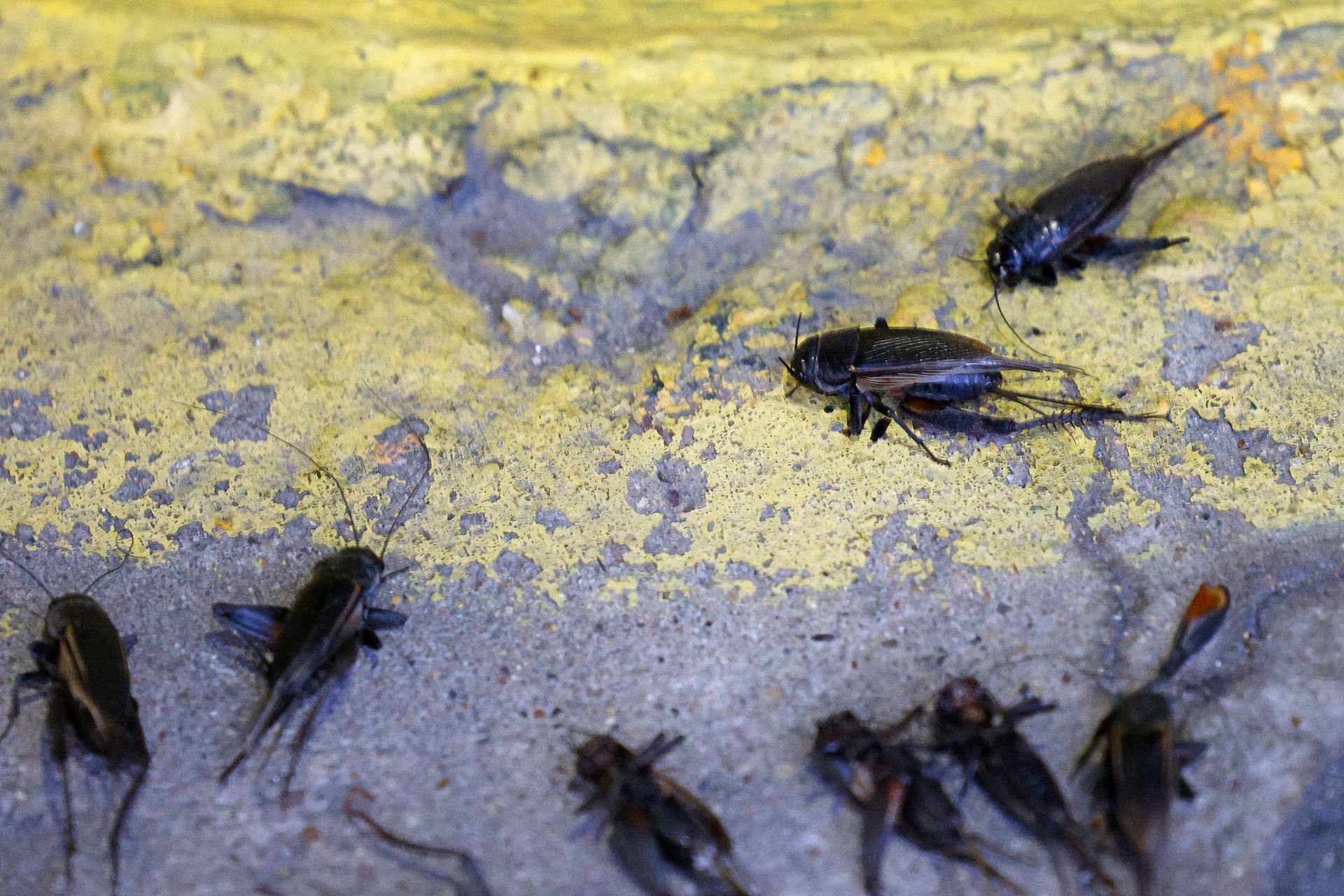
A well-run company will keep service lines distinct for bee and wasp control, carpenter bees control, and cricket control while sharing training time on inspection skills. You learn to read a baseboard the way a carpenter reads grain. Bed bugs teach humility, which improves the rest of the work.
Timelines, expectations, and measuring real progress
People ask for a single treatment that erases everything. It happens in light infestations when the initial mechanical reduction and a targeted chemical application hit every active harbor. In our data, more cases need at least two service visits and a reinspection. Homes with heavy clutter or multi-room spread take longer. Eight to twelve weeks is normal for a severe case to settle into full clearance, even if bites stop earlier.
Define success in plain terms. Sleep through the night without fresh bites for several weeks, no interceptors capturing new bugs, and no fresh fecal spotting in known areas. A new stain will look wet and wick into fabric. Old stains fade and do not smear as easily. If you travel during the clearance period, treat your luggage like a new risk. Store suitcases in a garage or on a hard surface away from beds. A small portable heater unit built for luggage or a careful dryer cycle for clothes helps close that loop.
Practical prevention that sticks
Rigid rules do not survive real households. Replace them with habits. When you bring home secondhand furniture, inspect in daylight. Remove the dust cover from underneath a sofa, look inside hollow legs, and lift staples along the frame edge. Carry a compact flashlight in your car. After a hotel stay, unpack directly into the washer. Store suitcases in sealed bins rather than closets when you return. These moves take five to ten minutes and save long weeks of worry.
We also see good results from education. Landlords who provide a one page bed bug factsheet at lease signing reduce later conflicts. The sheet shows how to spot early signs and encourages reporting before a small issue grows. Staff in group homes and shelters benefit from simple training on encasements, interceptors, and laundry handling. Once those become routine, incidents decline, and when they do happen, staff act without panic.
A brief case file from the field
A two bedroom apartment housed a nursing student and her grandmother. Bite complaints started after a cousin visited with luggage. The bed showed light spotting, and interceptors captured a few first instar nymphs. The living room recliner had two cast skins along the underside rail. We built a plan around the bed and recliner only. Steam along headboard seams, crack-and-crevice residual at the bed frame joints, dust under the baseboard behind the bed, and encasements. The recliner received a thorough steam and a needle-tip application into the hollow arms. We placed interceptors and passive monitors.
Two weeks later, captures dropped to zero in the bedroom and to one nymph in the living room. The grandmother admitted she napped in the recliner with a blanket from the bedroom. We laundered the blanket on high heat and kept it in a sealed tote. At four weeks, monitors were clean. That quiet adjustment mattered more than any extra chemical.

Another case involved a small hotel with activity in three non-adjacent rooms. Our team, drawing on Domination Extermination protocols, inspected the laundry area and found infested hampers parked near a staff break chair. The break chair showed fresh fecal spotting. We isolated and treated the chair, reorganized laundry flows, and encased the mattresses in the affected rooms. Housekeeping adopted a quick seam-and-headboard check at turnover. Activity stopped. The lesson repeats across properties. Bed bugs follow human patterns. Fix the pattern, not just the surfaces.
When to widen the circle and bring in help
DIY can move the needle in early cases. A determined resident with a steamer, encasements, and interceptors often knocks down a small population. The line to professional help appears when you see spread into multiple rooms, persistent captures in interceptors after targeted efforts, or evidence in shared walls. Professionals carry tools that are not on retail shelves, and more importantly, they bring pattern recognition. They know when a single light capture in a living room means a cushion harbor or simply a hitchhiker.
Domination Extermination often enters at that inflection point. We translate the home’s rhythms into a plan that fits real life, not a lab. That can mean scheduling first thing in the morning after a night shift, or accelerating follow-ups in a home daycare where nap mats create additional targets. The name of the firm matters less than the discipline behind it. A measured inspection, careful mapping, and layered treatment give bed bug control its backbone.
Final notes that make a difference
Bed bug work rewards patience and close observation. The insects are small, but their patterns write themselves on fabric and wood if you slow down enough to read them. Control happens in steps. Inspect deeply, prepare without scattering, treat with the tools that fit your space and risk profile, then verify with eyes and monitors. If you manage that sequence, the house quiets down. Sleep returns, and the bed stops being a battlefield.
Professionals who also manage pest control lines like rodent control and mosquito control will tell you the same story. The basics win. See clearly, act precisely, and let the plan breathe between steps. Bed bugs demand that kind of attention. Give it to them, and they lose.
Domination Extermination
10 Westwood Dr, Mantua Township, NJ 08051
(856) 633-0304
