Are Bug Bombs Safe to Use if Someone Has Asthma?
If you’re struggling with a cockroach infestation in your home—especially along Florida’s northeast coast between St. Augustine and Palm Coast—you may be tempted to reach for a total release fogger, or “bug bomb,” hoping for a quick fix. But is using a bug bomb safe if someone in the house has asthma? Spoiler alert: it’s not as straightforward as the commercials make it seem, and often, these foggers can do more harm than good. Let’s dive into the science behind cockroach allergens, why asthma sufferers need to be extra cautious, and safer alternatives to tackling roach problems.

The Link Between Cockroach Allergens and Asthma
Cockroaches aren’t just creepy pests. They’re a major source of indoor allergens that can trigger asthma attacks and worsen respiratory symptoms. Two of the most common allergen proteins you’ll encounter are:
- Bla g – Derived from the German cockroach (Blattella germanica), a small yet prolific pest often responsible for indoor infestations.
- Per a – Found in the American cockroach (Periplaneta americana), also commonly called the palmetto bug in Florida. These are larger roaches that often migrate indoors from damp or sewer environments.
These proteins are present in cockroach saliva, feces, shed skin, and dead bodies. When these particles break down into fine dust or become airborne, particularly in humid Florida homes, they become potent triggers for asthma attacks.
How Cockroach Allergens Affect Asthma
Studies show that exposure to cockroach allergens is strongly linked to increased asthma morbidity, especially among children and asthma sufferers in urban and subtropical environments like ours. The allergens promote airway inflammation and hyper-responsiveness, which leads to coughing, wheezing, shortness of breath, and even emergency room visits.
So, controlling cockroach allergens isn’t just about pest control — it’s a crucial step in managing asthma symptoms and improving indoor air quality for vulnerable individuals.
Why Total Release Foggers (Bug Bombs) Are Not the Answer for Asthmatics
When battling cockroaches, total release foggers might seem like a convincing solution. However, as someone responsible for pest control work in this region for over a decade, I *always* advise against them, especially in homes where asthma is a concern.
1. Foggers Scatter Roaches, Increasing Allergen Spread
Contrary to popular belief, bug bombs don’t always eliminate roaches. Instead, the pesticide fog often scatters the cockroaches to hidden crevices, behind appliances, under sinks, or inside walls — wherever they can avoid the pesticide plume.
This scattering effect can worsen the problem by creating deeper, hidden infestations where allergen dust accumulates unnoticed. As these roaches continue to live and breed, allergen proteins spread throughout your home, embedded in dust and on surfaces.
2. Pesticide Residue on Surfaces Can Irritate Sensitive Lungs
These foggers leave behind a fine pesticide residue on every surface — floors, countertops, furniture, and even your HVAC vents. For asthma sufferers, inhaling pesticide residues or dust disturbed during normal house activities can trigger respiratory irritation and exacerbate symptoms.
Unlike targeted pest control treatments, foggers provide widespread chemical exposure without controlling the source effectively.
3. Bug Bombs Do Not Address Persistent Allergens in Dust
Even if the fog kills many roaches upfront, it does little to remove the existing allergen dust. Cockroach allergens are resilient and persist in dust collected under appliances, inside cabinets, and along baseboards where dead skin, feces, and saliva have accumulated over time.
Without rigorous cleaning and allergen removal, asthma symptoms can continue despite repeated pesticide use.
4. Florida’s Year-Round Heat and Humidity Keep Roach Pressure High
Last month, I was working https://goodmenproject.com/everyday-life-2/florida-homes-have-a-year-round-asthma-trigger-the-rest-of-the-country-only-gets-in-summer/ with a client who made a mistake that cost them thousands.. Florida’s climate is a paradise for cockroaches. Year-round warmth and high humidity create ideal breeding conditions, while our outdoor environment constantly pressures homes with migrating American cockroaches and other pests.
This means infestations can rebound quickly after a quick fog. Effective control requires ongoing integrated pest management strategies and attention to sanitation.
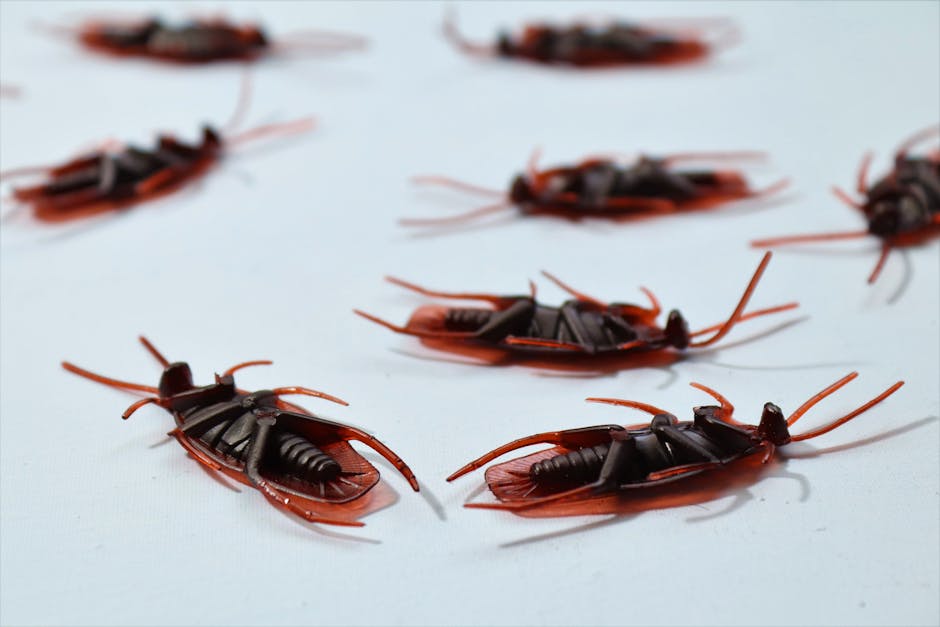
American Cockroach vs. German Cockroach: Why Terminology Matters
I have a pet peeve about calling every roach a “palmetto bug.” The American cockroach (Periplaneta americana) is indeed sometimes called a palmetto bug, especially here in Florida. These are large, reddish-brown roaches often seen flying or scurrying near outdoor lights or sewer drains.
But the German cockroach (Blattella germanica) is a different species — smaller, tan-colored, and far more prolific as an indoor household pest. German cockroaches breed rapidly and prefer kitchens and bathrooms, where humidity and food particles are present.
Each species produces distinct allergen proteins (Bla g for German cockroaches, Per a for American), and their habitats and control strategies vary. Recognizing which species you’re dealing with helps target the problem best.
Effective and Asthma-Safe Cockroach Control Alternatives
For homeowners with asthma, integrated pest management (IPM) combined with diligent allergen reduction is your best bet. That means:
- Sealing cracks and crevices to deny roach entry and hiding spots.
- Fixing leaks and reducing moisture to make your home less appealing to roaches.
- Targeted baits and gels placed in roach habitats to avoid broad pesticide dispersal.
- Professional pest control treatments applied carefully to minimize pesticide residue.
- Regular cleaning focused on allergen removal, including:
- HEPA filter vacuuming: captures fine allergen dust effectively without stirring it up.
- Wet-wiping surfaces: eliminates allergen proteins rather than redistributing them via dry dusting or sweeping.
- Pulling out the fridge and cleaning underneath and behind appliances: don’t just sweep around them — roach allergens and droppings accumulate here!
These steps reduce the cockroach population while directly controlling allergen reservoirs — essential to easing asthma symptoms.
Summary Table: Bug Bombs vs Integrated Pest Management (IPM) for Asthmatics
Aspect Total Release Fogger (Bug Bomb) Integrated Pest Management (IPM) Effectiveness Scatters roaches, may not eliminate hidden colonies Targets roach habitats, reduces populations & allergens Asthma Safety Pesticide residue irritates lungs; allergens disturbed Minimizes pesticide exposure; allergen dust reduced Cleaning Requirements Limited cleaning; allergen dust persists HEPA vacuuming & wet-wiping to remove allergens Long-Term Control Short-lived, potential rebounding infestations Ongoing sanitation and exclusion prevent recurrence Environmental Impact High pesticide dispersion Targeted and responsible pesticide use
Final Advice: Skip the Bug Bomb, Focus on Asthma-Safe Control
As a pest control operator working homes along Florida’s northeast coast for the last ten years, I routinely tell clients to “pull the fridge out before buying another spray”. That’s because the battle against cockroaches—and the allergens that trigger asthma—requires more than a quick chemical blast.
Using total release foggers (bug bombs) in homes with asthma risks worsening symptoms and spreading allergen proteins, not to mention leaving hazardous pesticide residues on your surfaces. Instead, commit to thorough cleaning practices, use HEPA-filter vacuums, wet-wipe exposed areas, and seek targeted professional pest control treatments tailored for your home.
By combining these methods, you’ll control cockroach populations more effectively and create a healthier, safer environment for everyone — especially those with asthma.
And remember — if you’re not sure who you’re really dealing with, don’t just call every roach a “palmetto bug.” Identifying the pest helps tackle it best.
Got questions or need help with a roach problem? Feel free to reach out — I’m here to help you breathe easier.
