Alternative Therapies for Neurological Disorders: What Is Actually Realistic?
Skip to content
If you have spent any time navigating the corridors of the NHS or private neurology clinics, you know that the focus is usually on standardized protocols. We look at diagnostic criteria, first-line medications, and established surgical interventions. However, for those living with chronic neurological conditions, the "standard" pathway often leaves gaps—unmanaged symptoms, side effects that impact daily living, or a feeling that the person behind the diagnosis has been lost in the data.
This has led to a growing interest in alternative and complementary therapies. But as someone who has spent nearly a decade writing about patient pathways and policy, I want to be clear: the goal is not to find a "miracle" that replaces established medical science. The goal is to build a more robust, personalized support system that improves your quality of life. Let’s look at what is realistic, what is evidence-based, and how to integrate these options safely.
The Shift Toward Personalized Care
Historically, neurology has been prescriptive. You present with specific symptoms, and you receive a specific medication. While this works for acute issues, chronic neurological disorders like Parkinson’s, MS, or chronic migraine often require a more flexible approach. We are seeing a slow but steady shift in the medical community away from rigid, one-size-fits-all models toward personalized care.
This means your treatment plan should be a living document that accounts for your unique physiological needs, your lifestyle, and your treatment goals. It is no longer just about the clinician’s view; it is about how you, the patient, feel on a Tuesday afternoon.
Defining Our Terms
Before we dive deeper, it is helpful to clarify two concepts that often get tossed around in medical forums:
- Integrative Care: This is a coordinated approach that combines conventional medical treatments (like neurologically active medications) with evidence-based complementary therapies (like specialized physical therapy, nutrition, or mindfulness). It is about the "whole" person, not just the brain or the nerves.
- Patient-Reported Outcomes (PROMs): These are simply reports coming directly from you about your health status—how you feel, how you function, and how your symptoms impact your daily life—without interpretation by a clinician. In modern healthcare, these are increasingly valued as a vital metric alongside MRI scans and blood tests.
What Does "Alternative" Really Mean?
It is important to avoid the trap of labeling everything outside of a hospital prescription as "alternative" or "unproven." Organizations like the World Health Organization (WHO) have long advocated for the integration of traditional and complementary medicine into national health systems, provided these interventions are safe, regulated, and evidence-based.
The "alternative" space is vast. It ranges from acupuncture and yoga to medical cannabis and supplements. The realistic approach is to view these not as a replacement for your neurologist’s guidance, but as an additional pathway to manage the symptoms that traditional medicine sometimes leaves unaddressed.
What this looks like in real life: Instead of expecting a supplement to "fix" your nerve damage, you might use it alongside your prescribed medication to help reduce the intensity of neuropathic pain, thereby allowing you to be more active in your daily physical therapy.
Navigating Clinical Oversight: The Role of Regulated Access
One of the biggest risks in the "alternative" space is the lack of clinical oversight. When you step outside of a conventional pathway, you risk missing drug-to-drug interactions or choosing therapies that lack quality control.
This is where platforms like Releaf (releaf.co.uk) represent a move in the right direction. By providing a structured pathway for accessing medical cannabis, they prioritize clinical screening, consultation with specialists, and ongoing monitoring. This is the antithesis of the "miracle cure" marketing we often see online. It is about professional, overseen access that treats the patient's neurological disorder as a medical condition requiring expert supervision.
Safety and Suitability Table
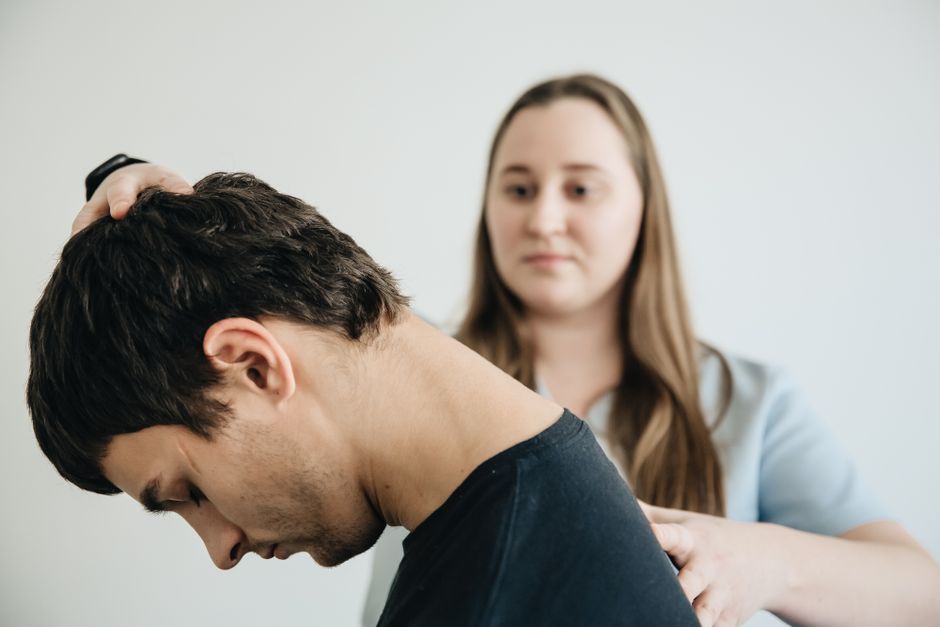
Therapy Type Realistic Benefit Key Consideration Integrative Physical Therapy Improved mobility, reduced rigidity Must be tailored to your specific neurological deficit. Regulated Medical Cannabis Symptom management (spasticity, sleep, pain) Requires specialist consultation and monitoring. Mindfulness-Based Stress Reduction Lowering the nervous system's "fight or flight" response Highly safe; best when taught by a certified professional.
Integrating Options Responsibly
If you are considering adding a new therapy to your management plan, follow these three rules:
- Disclose everything to your neurologist: Even if they aren’t an expert in the therapy, they need to know what you are taking to prevent dangerous contraindications.
- Start one thing at a time: If you change your diet, add a supplement, and start a new exercise routine all in one week, you will have no idea what is actually helping (or hurting).
- Track your PROMs: Use a journal or an app to document your symptoms before and after starting a new intervention. If the data doesn't show an improvement in your quality of life after a reasonable timeframe, be prepared to stop.
Here's what kills me: what this looks like in real life: you have been struggling with sleep due to chronic nerve pain. You talk to your specialist about adding a specific, evidence-backed herbal supplement or controlled medication. You track your sleep quality for 30 days. If the "sleep score" remains the same, you have clear evidence to present to your care team that this intervention is not worth the cost or effort.
Managing Expectations: The Reality Check
I have seen far too many patients fall prey to websites promising "cures" for complex conditions like Multiple Sclerosis or Parkinson’s. Please, approach these claims with extreme skepticism. Neurological disorders are complex. If a company claims their product is a "miracle" with no mention of risks, suitability, or the need for professional follow-up, walk away.

Real improvement in neurological disorder support is often incremental. It is about moving from "suffering" to "managing." It is about reclaiming your ability to go for a walk, sleep through the night, or focus on a conversation. Those are the victories that matter.
Final Thoughts
The conversation around neurological care is changing. We are moving toward a model where the patient is an active partner in their care. https://uniquenicknames.com/how-alternative-therapies-are-reshaping-treatment-pathways/ By integrating alternative pathways responsibly, you can build a life that feels more manageable and less defined by clinical labels.
If you are a regular reader, you can log in to our system via this link to manage your notification settings or join the discussion in our comment section below. We believe that open, evidence-based dialogue is the best way to navigate the complexities of neurological health.
Remember: You are the expert on your own experience. Take the time to research, consult with your specialists, and focus on the strategies that offer a genuine, measurable impact on your quality of life.
Scroll back to top
