A Practical Guide to Cannabis Concentrates: From Honey Oil to Rosin
Understanding the World of Cannabis Concentrates
When I first started exploring beyond dried flower, the sheer variety of cannabis concentrates felt overwhelming. Sticky, waxy, powdery, or glassy, each form promised a different experience. Over time, I learned that the real difference lies not just in appearance but in extraction method, potency, and how each one interacts with your chosen setup. Whether you are a seasoned dabber or someone curious about trying honey oil for the first time, understanding the basics can save you money and disappointment.
The heart of any concentrate is its concentration of cannabinoids, particularly THC. While flower typically hovers around 15 to 25 percent THC, most concentrates start at 50 percent and can climb well above 80 percent. That jump in potency means a little goes a long way, but it also demands a different approach to consumption. A single grain of live resin can deliver effects that would take several hits of flower to match, which is why many experienced users prefer dabbing through a water pipe or a dab rig.
How Concentrates Are Made: Solvent vs. Solventless
Broadly speaking, extraction methods fall into two camps: solvent-based and solventless. Each produces a distinct end product with its own flavor profile and texture. BHO, short for butane hash oil, is a classic solvent-based concentrate. The process involves running a hydrocarbon like butane through plant material to strip the trichomes, then evaporating the solvent to leave behind a potent oil. BHO is often darker and more pliable, and it can be an affordable entry point into cannabis concentrates. However, the use of solvents raises questions about residual chemicals, which is why lab testing has become so important in the market.
On the other end, solventless methods rely solely on physical separation. Rosin is the most popular example. You apply heat and pressure to flower or hash, squeezing out a golden, viscous oil. No chemicals, no fuss. Rosin preserves the full spectrum of terpenes, giving it an exceptionally aromatic and flavorful hit. Many connoisseurs argue that rosin offers the truest expression of the plant's terpene profile. Bubble hash falls into the solventless category too, made by agitating frozen plant material in water and filtering the trichomes through mesh screens. The highest grade, often called full melt, leaves no solid residue when vaporized, a sign of purity that serious enthusiasts chase.

Honey Oil and the Rise of Lab Testing
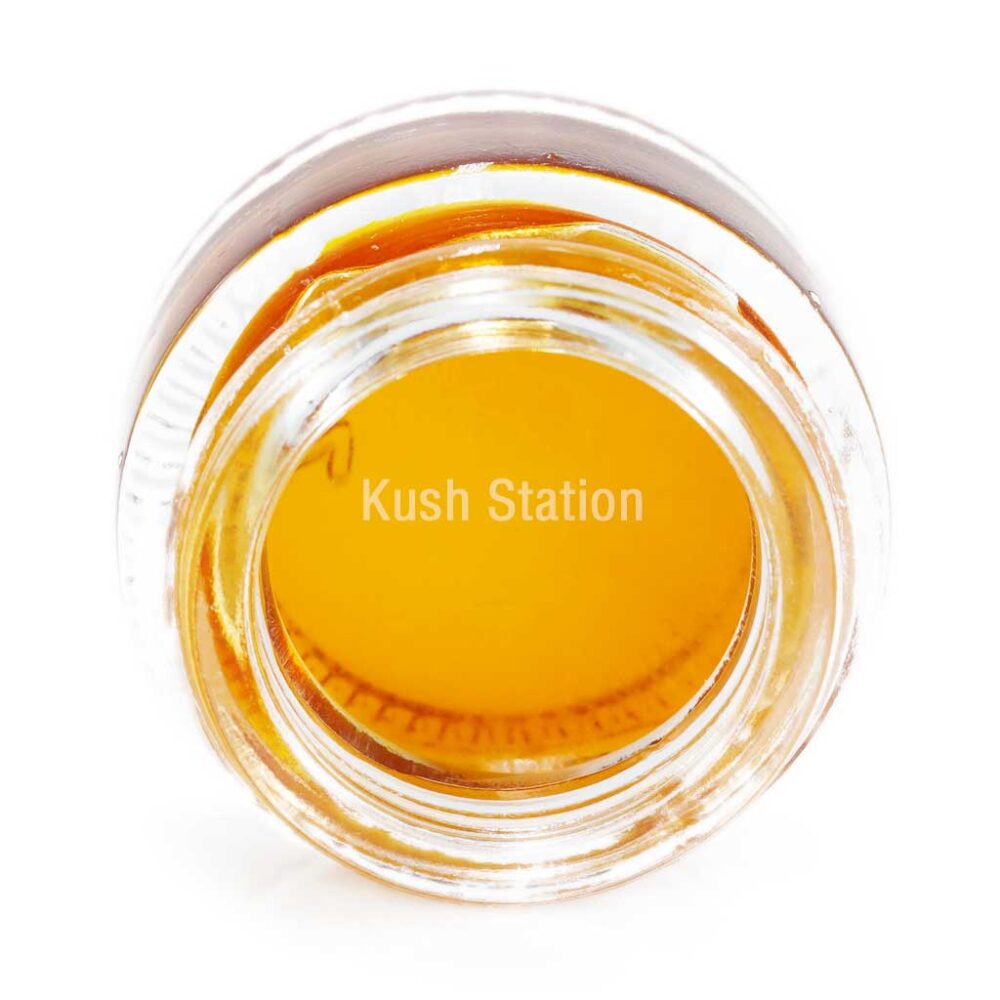
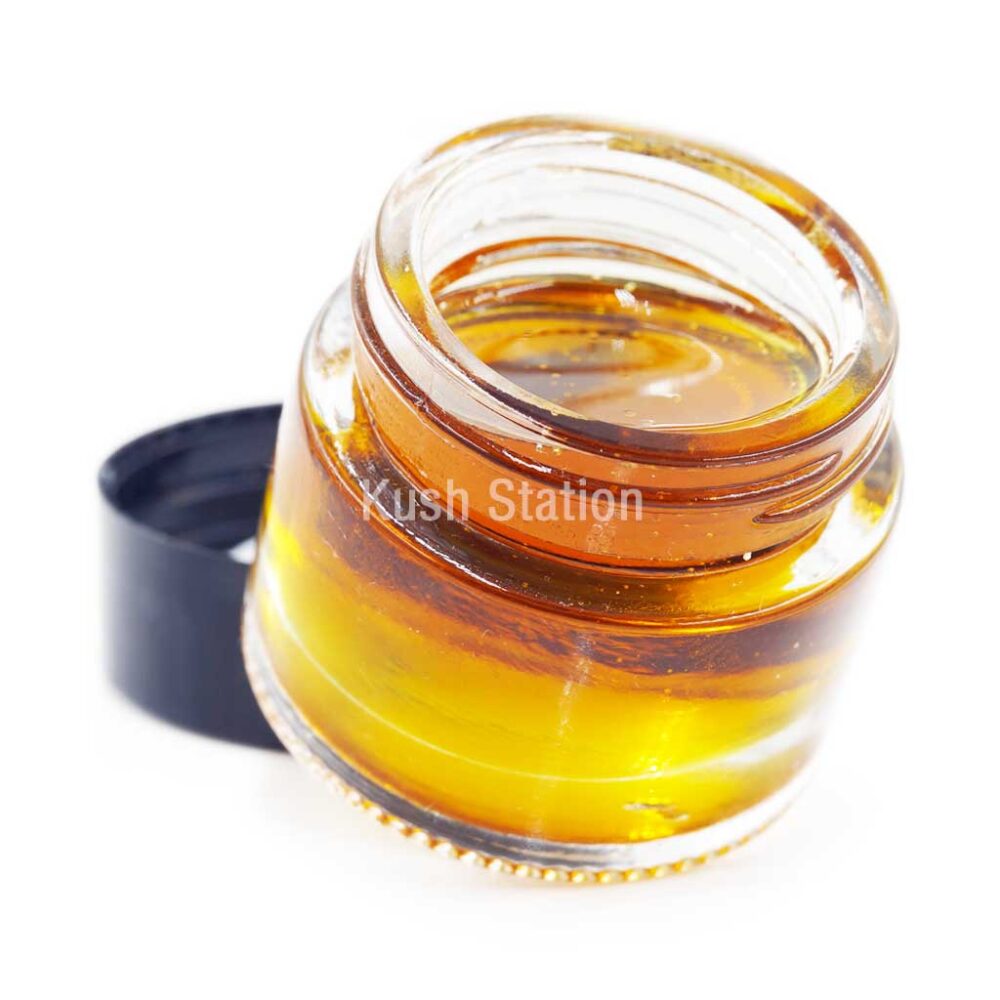
One concentrate that has gained a loyal following is honey oil. True to its name, it has a syrupy consistency and a light amber color. Honey oil is typically a distillate, meaning it has been refined through a distillation process that separates different compounds based on boiling points. The result is a clean, smooth vapor that many find easier on the throat than harsher extracts. But because honey oil can vary widely in quality depending on the starting material and equipment, reputable suppliers like KushStation invest in third-party lab testing to verify potency and purity. A certificate of analysis tells you exactly how much THC is present and confirms the absence of residual solvents or contaminants. That transparency is invaluable when you are paying a premium for a product you will inhale.
Lab testing also helps consumers compare products across brands. A honey oil labeled at 80 percent THC from one source might actually be closer to 75 percent, while another might exceed its claim. Knowing that a retailer sends batches to an independent lab builds trust and helps you make informed choices. It is one reason I always check for recent test results before buying any concentrate, especially if I plan to use it in a vape pen or enail where consistency matters.
Choosing Your Hardware: Dab Rigs, E-Nails, and Vape Pens
Your choice of cannabis concentrates should align with your gear. For dabbing, a dab rig (a specialized water pipe with a heated nail or banger) is the classic tool. You heat the nail with a torch, drop a small amount of concentrate, and inhale the vapor through water filtration. It delivers big, flavorful hits, but it requires practice to get the temperature right. Too hot, and you burn off terpenes and risk harsh vapor. Too cool, and the concentrate fails to vaporize fully.
E-nails solve the temperature problem by providing precise, consistent heat. You set your desired temperature, typically between 315 and 450 degrees Fahrenheit, and the device maintains it. This consistency is especially valuable when you are working with delicate concentrates like live resin or full melt bubble hash, where flavor is paramount. If you prefer something more portable, a dedicated vape pen for concentrates can be a good middle ground. Many modern pens use ceramic coils or quartz rods to heat small amounts of wax or oil, producing discreet vapor on the go. Just keep in mind that not all pens handle thick honey oil or sticky rosin equally well, so read reviews or ask your retailer for recommendations.
Reading the Label: What to Look For
When you browse a selection of cannabis concentrates, a few key indicators separate the good from the great. First, look for the term "full melt" if you are buying bubble hash. Full melt means the hash is so pure that it leaves no ash or residue after vaporization, a sign of meticulous sieving. Second, check whether the product is live resin or cured resin. Live resin is made from freshly frozen plant material, preserving a broader range of terpenes and often yielding a more aromatic experience. Cured resin uses dried material, which can still be potent but may lack some of the volatile compounds that give live resin its complexity.
Third, pay attention to consistency. A good honey oil should flow slowly at room temperature, not be runny like water or stiff like tar. Rosin should be a soft, sticky resin, not hard and crumbly. If a product looks or smells off, trust your instincts. The market has matured enough that you can find high-quality options from sources that prioritize lab testing and transparent sourcing. Brands associated with the Strain Hunters network, for example, often emphasize genetic provenance and careful extraction.
Finally, consider your tolerance and experience level. If you are new to cannabis concentrates, start with a small dose, even if you are a heavy flower user. The rapid onset and high potency can catch you off guard. A single rice-grain-sized dab of BHO or rosin is enough for most beginners. Work your way up slowly, and always have a glass of water nearby.
Storage and Shelf Life
Concentrates are more stable than fresh flower, but they still degrade over time. Exposure to heat, light, and air accelerates the breakdown of cannabinoids and terpenes. Store your honey oil, rosin, or bubble hash in an airtight glass container in a cool, dark place. Silicone containers are convenient for travel but can leach terpenes over weeks, so glass is better for long-term storage. If you keep your concentrates properly, they can remain potent for a year or more, though flavor will gradually fade. For the best experience, try to use them within three to six months of purchase.
The Bottom Line
Exploring cannabis concentrates is a journey, not a destination. Each method, whether solventless rosin or distilled honey oil, offers a unique window into the plant's chemistry. The rise of lab testing and transparent suppliers has made it easier than ever to find clean, potent products that match your preferences. So grab a dab rig or a vape pen, start with a small amount, and pay attention to the flavors and effects. With a little curiosity and a willingness to experiment, you will quickly develop a sense for what makes a concentrate exceptional.
